

By Eniola Ogundele
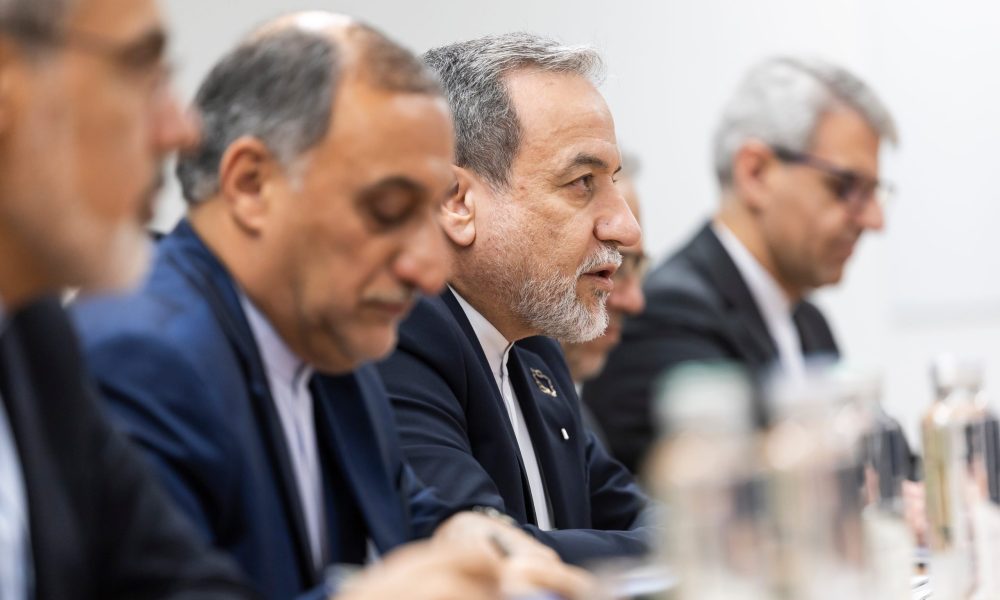
Fresh diplomatic engagements between the United States and Iran are drawing global attention as both countries seek to ease nearly five decades of hostility that has shaped Middle East politics, disrupted global energy markets and fueled regional tensions.
Although the outcome of the negotiations remains uncertain, analysts say the discussions could have far-reaching implications for international security, economic stability and the future of diplomacy in one of the world’s most volatile regions.
The renewed dialogue marks a significant development in a relationship long defined by sanctions, military threats, proxy conflicts and deep political mistrust.
Relations between Washington and Tehran were not always strained. During the reign of Shah Mohammad Reza Pahlavi, Iran was one of America’s closest allies in the Middle East, enjoying extensive military, economic and diplomatic cooperation with the United States.
That relationship changed dramatically following the 1979 Iranian Revolution, which overthrew the Western-backed monarchy and established the Islamic Republic under Ayatollah Ruhollah Khomeini.
Tensions escalated further when Iranian students seized the U.S. Embassy in Tehran and held 52 American diplomats hostage for 444 days, an event that shattered trust and led to the severance of diplomatic relations between the two countries.
Since then, both nations have remained locked in a cycle of confrontation, economic sanctions and geopolitical rivalry.
Iran insists its nuclear activities are intended for peaceful purposes, including electricity generation, scientific research and medical applications. However, the United States and several of its allies have long expressed concerns that the programme could eventually provide Tehran with the capability to develop nuclear weapons.
Those concerns led to years of sanctions that significantly impacted Iran’s economy, reducing oil exports, discouraging foreign investment and contributing to rising inflation and economic hardship.
A breakthrough appeared possible in 2015 when Iran and six world powers signed a landmark nuclear agreement that limited Tehran’s nuclear activities in exchange for sanctions relief and international monitoring.
However, the deal suffered a major setback in 2018 when the United States withdrew from the agreement, arguing that it failed to adequately address Iran’s long-term nuclear ambitions and regional influence. Iran subsequently scaled back some of its commitments, leading to renewed tensions.
Experts say the latest negotiations go beyond the nuclear issue and represent a broader effort to rebuild trust and reduce the risk of future conflict.
A successful agreement could help stabilize the Middle East, lower geopolitical tensions and create greater certainty in global energy markets.
Iran remains one of the world’s significant oil producers, and any easing of sanctions could increase its participation in international energy markets. Analysts believe this could influence global oil prices and potentially reduce volatility that often accompanies geopolitical crises.
Financial markets are also closely monitoring developments, as investors generally respond positively to signs of diplomatic progress and reduced regional tensions.
The Middle East has experienced decades of instability driven by wars, insurgencies and regional rivalries. From Iraq and Syria to Lebanon and Yemen, the effects of geopolitical competition have been felt across the region.
Many governments hope a diplomatic breakthrough between the United States and Iran could reduce the likelihood of future military escalation and contribute to a more stable regional environment.
Observers note that while diplomacy often unfolds away from public attention, it has historically delivered some of the most significant breakthroughs in international relations.
Major peace agreements, arms-control treaties and conflict-resolution frameworks have frequently emerged through sustained dialogue rather than military confrontation.
With both governments facing domestic political pressures and regional allies closely watching developments, negotiators face a difficult path toward any comprehensive agreement.
Nevertheless, analysts argue that the talks represent an important opportunity to address longstanding disputes through dialogue rather than conflict.
Whether the negotiations ultimately succeed or fail, the discussions are already being viewed as one of the most consequential diplomatic efforts of the decade.
For now, the world continues to watch as Washington and Tehran attempt to determine whether decades of rivalry can give way to a new chapter of engagement—one that could influence global peace, economic stability and international relations for years to come.