

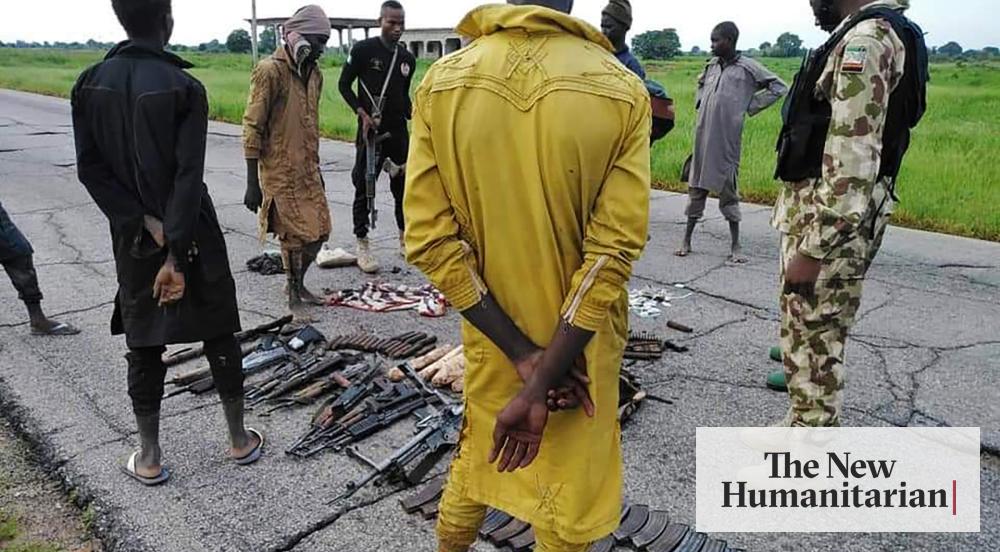
Fresh concerns have emerged over the security situation in Nigeria’s North-West following claims by a local security leader in Sokoto State that notorious bandit leader Bello Turji is allegedly expanding his operational capacity through collaboration with Boko Haram elements and the acquisition of sophisticated weapons.
The allegations were made by Bashir Altine Guyawa Isa, leader of the local security outfit Rundunar Adalchi in Sokoto State, during an interview with the BBC Hausa Service monitored in Kaduna on Monday.
According to Isa, intelligence reportedly gathered by local security volunteers suggests that Turji has intensified efforts to strengthen his armed network by working closely with extremist elements operating within the region.
He alleged that the bandit kingpin and his associates have established a training facility around the border communities between Sokoto and Zamfara states, where new recruits are being prepared for future operations.
Isa claimed that the camp serves as a centre for the recruitment, indoctrination and training of fighters who are subsequently deployed to carry out attacks in various communities across the North-West.
According to him, the facility has allegedly been operational for some time and continues to attract individuals who are trained in the use of weapons and other combat-related activities.
READ ALSO: Bandits abduct traditional ruler in Ondo as attacks on monarchs intensify across Nigeria
The local security leader further alleged that members of Boko Haram are providing technical training and logistical support to the recruits, raising fears of increased collaboration between bandit groups and extremist organisations.
He warned that such an alliance could significantly enhance the capabilities of criminal groups operating in the region and further complicate ongoing security operations.
Security analysts have long warned about the possibility of increased cooperation between bandit groups and terrorist organisations, particularly as security agencies intensify military operations against both threats.
While banditry and insurgency have historically operated as distinct security challenges, experts say any form of operational collaboration could lead to more sophisticated attacks, improved access to weapons and expanded recruitment networks.
Isa expressed concern that the alleged development could make armed groups more difficult to track and neutralise, especially in remote areas along state borders where security challenges persist.
The security volunteer leader urged relevant authorities to intensify surveillance and military operations in vulnerable border communities to prevent the alleged camps from expanding further.
He also called for greater cooperation between security agencies, local vigilante groups and community leaders to improve intelligence gathering and disrupt criminal activities before they escalate.
The allegations come amid continuing efforts by security forces to combat banditry, kidnapping and other violent crimes across several states in the North-West.
As of the time of filing this report, security agencies had not officially confirmed the allegations regarding the existence of the purported training camp or the reported collaboration between Bello Turji’s network and Boko Haram elements.
Authorities are also yet to issue a formal response to claims that sophisticated weapons are being supplied to the group.
Nevertheless, the allegations are likely to heighten concerns among residents of affected communities and renew calls for stronger security measures to address persistent threats in the region.
If verified, security observers say the reported alliance could represent a significant development in the evolving security landscape of northern Nigeria, where efforts continue to contain both insurgency and banditry-related violence.