

Key Points
- The Senate and House have passed the state police bill, so at least 24 state assemblies must now ratify it.
- The reform would create a dual structure, pairing state police services with a Federal Police Service.
- Backers urge speed, while critics flag capacity, funding and the risk of abuse by governors.
With the Senate and House of Representatives both clearing the State Police Bill, the spotlight now shifts to Nigeria’s 36 state Houses of Assembly. To amend the 1999 Constitution, at least two-thirds of the state legislatures must also approve the measure.
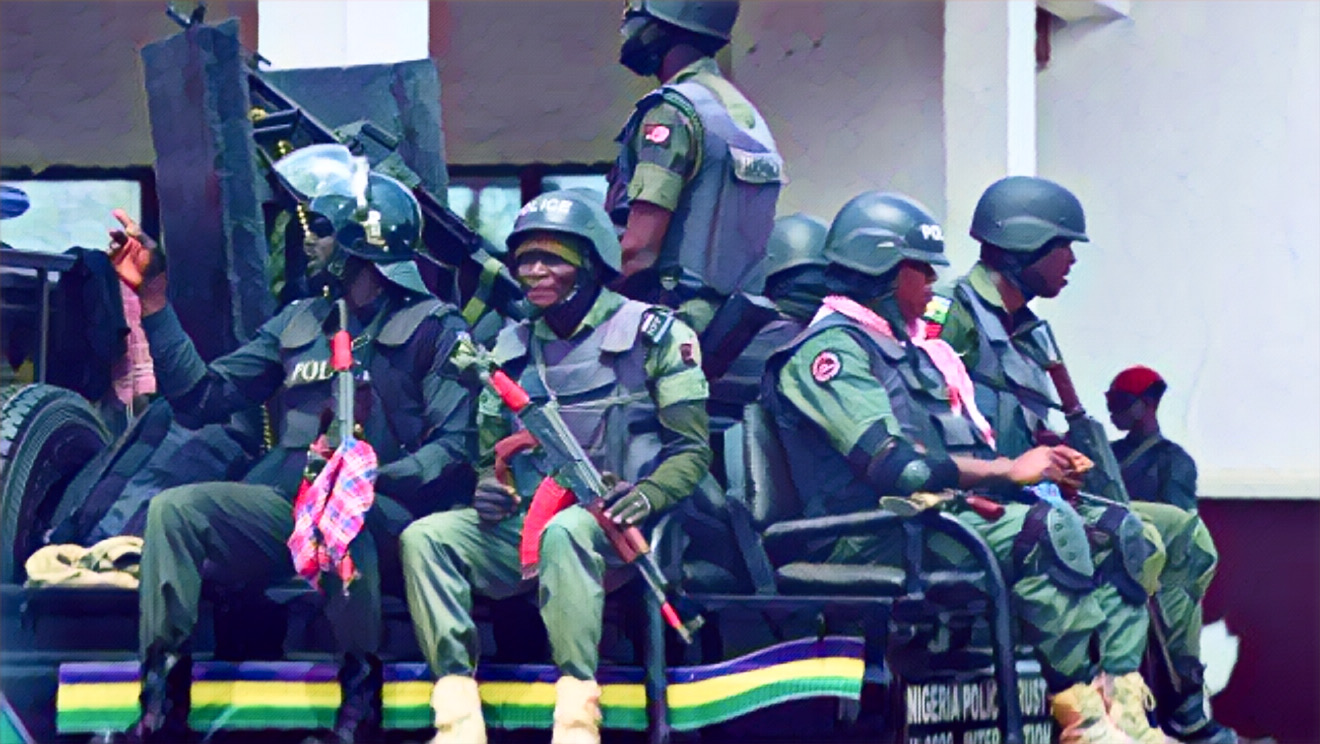
Once 24 assemblies ratify the bill and President Bola Tinubu signs it, the country would gain a dual policing structure. Notably, the reform would alter Section 214 to establish state police services alongside a Federal Police Service.
The House approved the bill on June 11, 2026, with 289 votes, and the Senate soon followed. Therefore, legal experts, retired security chiefs and civil society leaders are now urging assemblies to act quickly.
Under the bill, the president would appoint the Inspector General on the advice of the National Police Council, subject to Senate confirmation. Meanwhile, a governor would name a state commissioner, with the state assembly confirming the choice.
Why backers want the bill
Supporters argue that Nigeria’s diversity demands local solutions rather than orders from Abuja. According to Princess Hamman Obels of The Electoral Hub, governors already serve as chief security officers yet lack the tools to match that duty.
Moreover, the Coalition of South East Youth Leaders calls the central command overstretched. Indeed, the group says officers closer to the people would know local terrain, language and intelligence networks far better.
Retired police chief Austin Iwar adds that manpower fears are overblown. Specifically, he says most recruits would come from the existing force, while fresh officers train alongside veterans.
Where the doubts remain
Still, critics warn that capacity must grow rather than appear on demand. Anthony Sani of the Arewa Consultative Forum insists that training, equipment and morale will determine whether state police succeed.
Funding worries loom largest. Consequently, Iwar proposes a tripartite model, with the federal government covering 60 percent of hardware and states funding salaries, forensics and communications.
Additionally, some critics doubt that poorer states can sustain a force. Public affairs analyst Austin Onuoha notes that several governments already struggle with schools and roads. Even so, backers urge stronger existing agencies and forest guards during the transition.
Above all, stakeholders fear that governors could weaponize their forces. Therefore, security expert Jackson Ojo recommends an independent State Police Commission to handle recruitment, promotions and discipline.
Despite the doubts, the experts broadly agree on the goal. Ultimately, they frame state police not as a perfect fix, but as Nigeria’s best remaining chance to bring security closer to its people.