

Key points
- Borno has shortlisted 40 ‘repentant’ Boko Haram terrorists for the army’s 91st Regular Recruits Intake.
- Officers question how the men qualified without birth, school or state-of-origin documents.
- Frontline troops fear leaks, while Borno defends its ‘Borno Model’ deradicalization program.
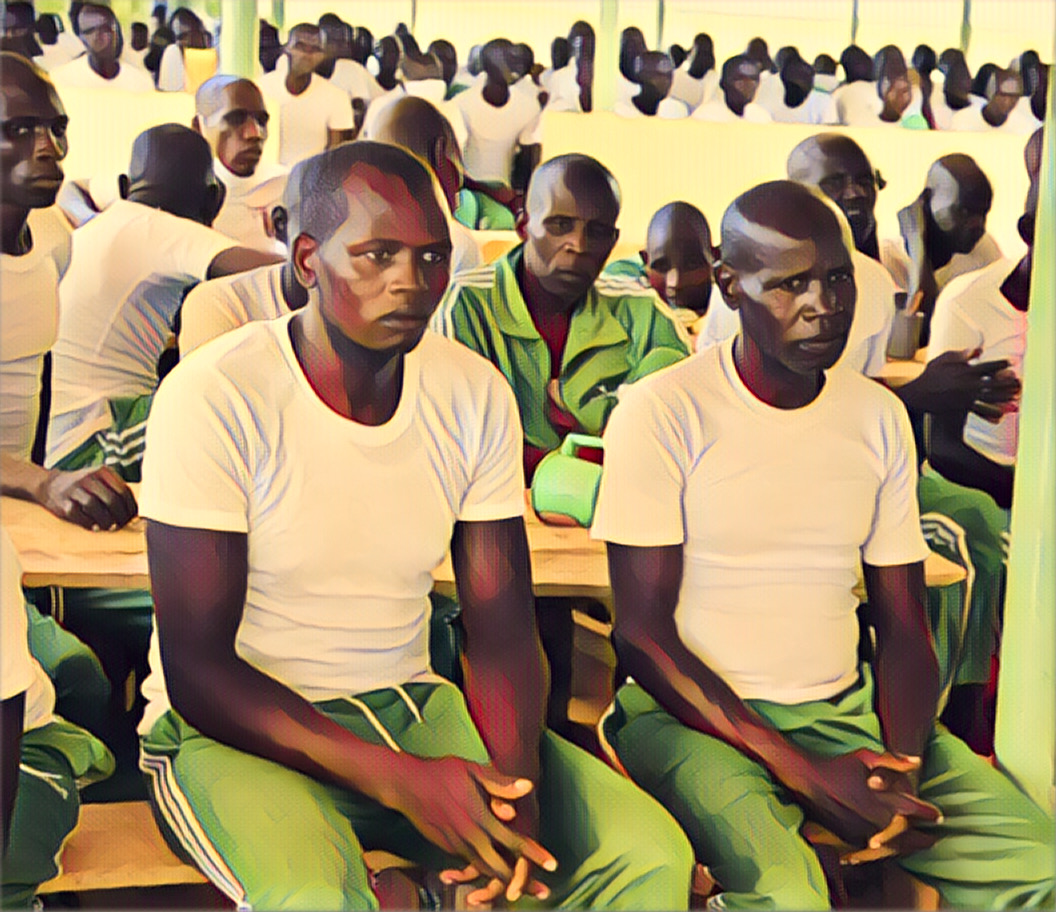
The Borno State government has put forward at least 40 ‘repentant’ Boko Haram terrorists for the Nigerian Army’s 91st Regular Recruits Intake, security sources told SaharaReporters. Notably, the candidates form part of 3,740 former insurgents whom the Borno State government has reintegrated.
According to a military source, the 40 ex-terrorists underwent medical examinations on Wednesday at the 7 Division Military Hospital in Maiduguri. Although officers rejected some as unfit, most advanced to the next stage.
The army’s screening began on June 9, 2026. Therefore, the inclusion of former insurgents quickly drew sharp questions from within the ranks.
Boko Haram and its offshoot, the Islamic State West Africa Province, have killed thousands and displaced millions across northeastern Nigeria. Moreover, more than 1,000 soldiers have reportedly died since January 2021.
Officers question the shortlist
Several officers told SaharaReporters that the candidates lacked basic documents. Specifically, they pointed to missing birth certificates, school certificates and state-of-origin papers that every recruit must provide.
A serving major warned that the gaps could invite forgery. Moreover, he questioned how people who had not finished secondary school could qualify simply as compensation.
A lieutenant went further, arguing that the shortlist effectively lets convicted criminals enter the army. Indeed, he noted that a government bus had ferried the men to the screening center.
Meanwhile, frontline troops remain wary of fighting beside former insurgents. According to soldiers, past reintegration efforts coincided with leaks that compromised operations.
One soldier said trust remains the core issue. As a result, many troops worry that operational details could again reach insurgents still active in Borno and neighboring states.
Trust gap and Borno’s defense
Consequently, some units house the ex-terrorists separately, fearing ties to active cells. Still, commanders now press troops to work closely with them during missions.
Instead of forced collaboration, the soldiers want better equipment, intelligence and welfare. Additionally, they argue that such support would do more to defeat the insurgency.
Borno defends the broader program. Brig. Gen. Abdullahi Ishaq, a security adviser to Governor Babagana Zulum, said the ‘Borno Model’ rests on forgiveness, rehabilitation and community acceptance.
Furthermore, Ishaq said more than 9,680 people have returned through nine batches since July 2021. He also said more than 350,000 people have surrendered since the program began. Ultimately, critics still doubt whether the safeguards can keep former extremists from slipping back.
The army spokesperson, Col. Appolonia Anele, did not respond to calls or a text message before publication.