

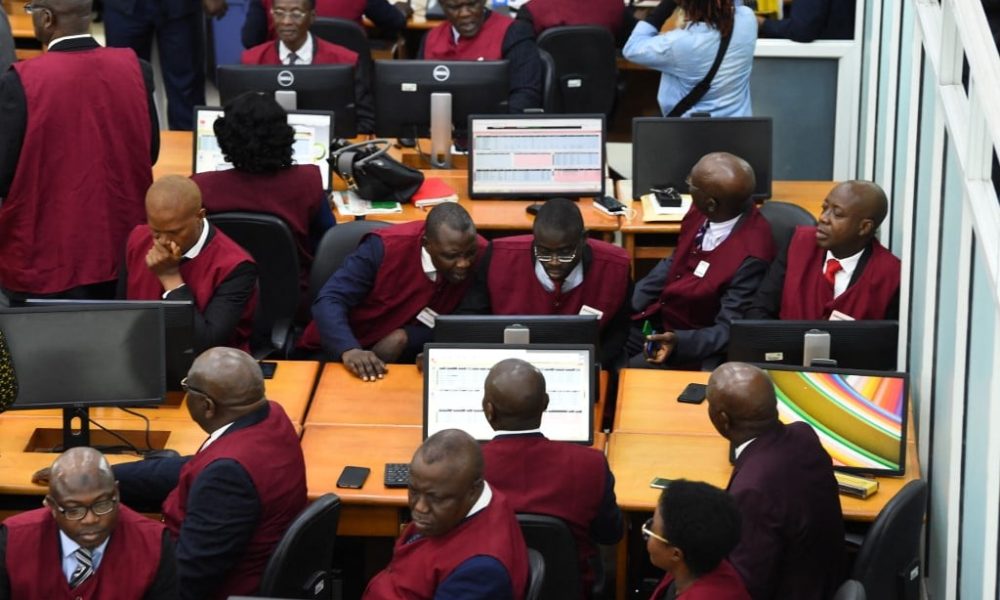
The Nigerian stock market has entered one of its most challenging periods of 2026, with investors losing an estimated N5.69 trillion in a single week as sustained selling pressure wiped out all the gains recorded in May and pushed the market deeper into negative territory for June.
Data released by the Nigerian Exchange (NGX) showed that the NGX All-Share Index (ASI) and market capitalization both declined by 3.59 per cent during the week, closing at 235,941.27 points and N151.327 trillion, respectively.
The sharp downturn marks a significant reversal from the bullish momentum witnessed earlier in the year. At the end of April, the market capitalization stood at N155.994 trillion before climbing to N160.59 trillion by the end of May, representing a gain of N4.59 trillion and a month-to-date return of 3.24 per cent.
However, the market’s fortunes have deteriorated rapidly in June. The latest weekly decline has dragged market capitalization down to N151.32 trillion, meaning investors have lost approximately N9 trillion in the first three weeks of the month alone. This translates to a month-to-date decline of 5.77 per cent.
Despite the recent losses, the stock market remains up by 51.62 per cent year-to-date, although this is significantly lower than the peak year-to-date return of about 60.9 per cent recorded in May.
Market breadth also weakened considerably during the week. Only 11 listed equities recorded price appreciation, compared with 40 gainers in the previous week. In contrast, 78 stocks posted losses, up from 53 decliners recorded earlier, while 57 equities closed unchanged.
Among the major laggards were banking heavyweights First HoldCo and GTCO, which shed 20.2 per cent and 15 per cent of their market value, respectively.
Analysts and market sources attribute the current downturn to a combination of factors, including widespread profit-taking, portfolio rebalancing by institutional investors, and liquidity demands linked to the highly anticipated Dangote Refinery private placement.
According to market intelligence gathered from capital market participants, the first major factor is profit-taking following an extraordinary rally that saw the Nigerian stock market deliver more than 60 per cent returns at its peak this year.
After months of robust gains, particularly among stocks that delivered triple-digit returns, many investors are now cashing out profits, triggering widespread selling pressure across sectors.
READ ALSO: Airtel Africa sparks market rally as NGX extends recovery for third straight session
The market is also being affected by the ongoing dividend season, which has resulted in several stocks trading ex-dividend and consequently being marked down.
Companies including UACN, Eterna Plc, FCMB Group, Airtel Africa, Dangote Cement and Champions Breweries experienced price adjustments following dividend payments during the week. Similar markdowns were previously recorded in Seplat Energy, Julius Berger, Chemical and Allied Products (CAP), BUA Foods and Jaiz Bank.
These dividend-related adjustments have collectively exerted pressure on the broader market index.
A second factor weighing on the market is the half-year portfolio rebalancing exercise undertaken by institutional investors.
As the first half of the year approaches its end, fund managers are reassessing investment strategies and adjusting asset allocations in preparation for the second half of 2026. This has led to increased movement of funds from equities into fixed-income instruments, where yields remain attractive.
Investor demand for government securities remains strong, with subscriptions at the most recent one-year Treasury Bills auction exceeding N1.86 trillion as investors sought to benefit from the attractive 17.34 per cent yield.
Another significant development influencing market sentiment is the ongoing Dangote Refinery private placement, which market participants believe has prompted some investors to liquidate stock market holdings to raise funds for participation.
Sources familiar with the transaction indicated that bids exceeding $5 billion were received, largely from institutional investors and high-net-worth individuals. While much of the funding reportedly came from offshore investors and domestic institutional pools, market insiders suggest that part of the liquidity may have been sourced from existing equity investments, contributing to the current selloff.
The scale of the decline underscores the severity of the market correction. With N5.69 trillion erased from market value during the week, investors lost an average of approximately N1.14 trillion per trading day.
On Friday alone, market capitalization dropped by N938.75 billion, falling from N152.27 trillion on Thursday to N151.33 trillion, while the market’s year-to-date return moderated further to 51.62 per cent.
Adding another layer of interest to the market landscape, the NGX introduced a new pricing framework during the week that could significantly alter trading dynamics on the exchange.