

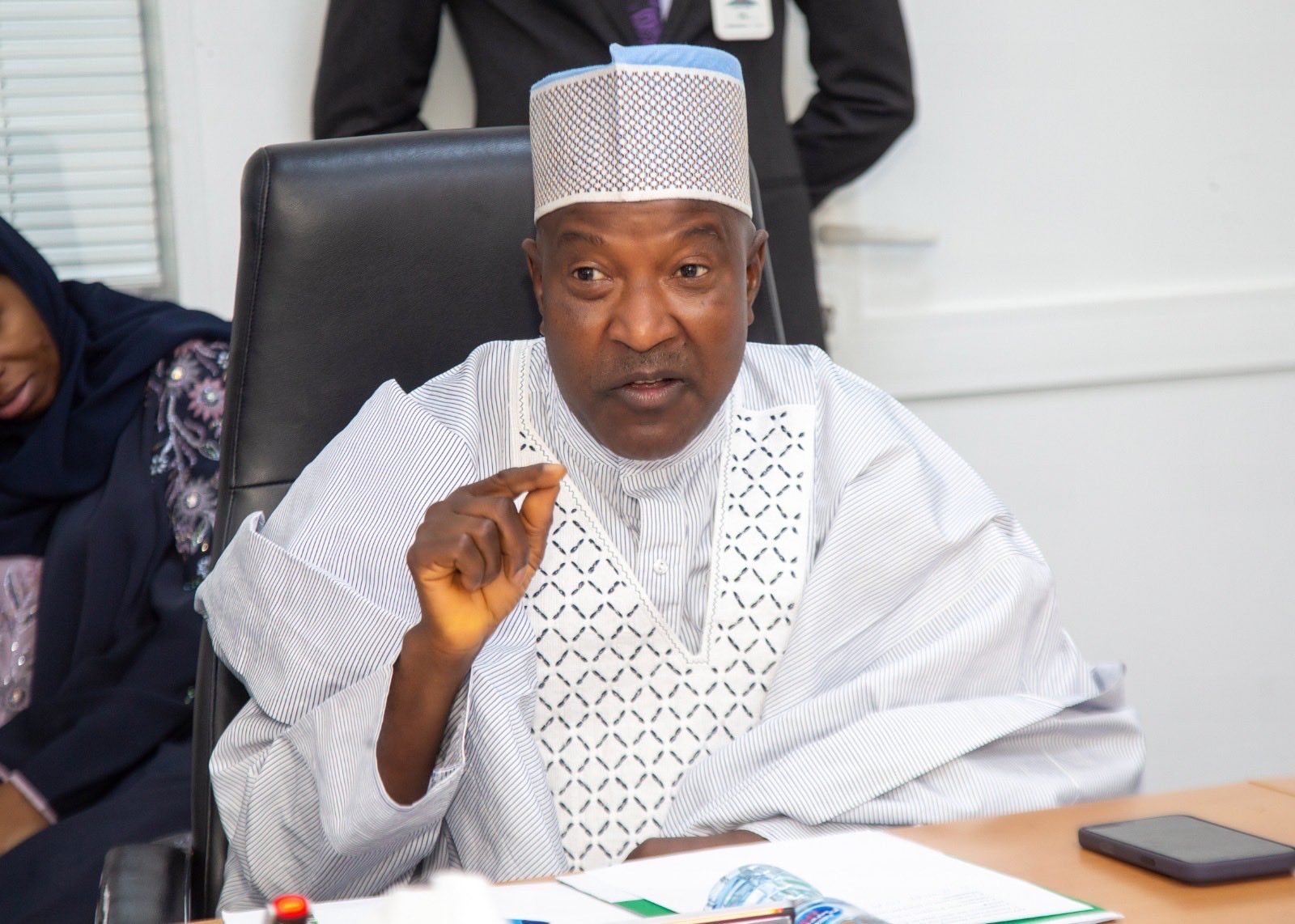
The Nigeria Extractive Industries Transparency Initiative (NEITI) on Wednesday commenced intensive preparations for Nigeria’s 2026 Validation by the global Extractive Industries Transparency Initiative (EITI), after the international body declined the country’s request to postpone the exercise.
NEITI expressed confidence that Nigeria would ultimately meet all requirements and secure a successful outcome, citing the abiding resilience of the country and its people.
Speaking at a civil society and media engagement on Nigeria’s readiness for the validation exercise in Abuja, Executive Secretary of NEITI, Musa Sarkin-Adar, recalled that although the organisation had sought additional time to address lingering challenges, EITI rejected the request, leaving Nigeria with no option but to proceed with the assessment process as scheduled.
The validation, which is scheduled to commence on July 1, is a comprehensive assessment of a country’s compliance with the EITI Standard, which promotes transparency and accountability in the management of oil, gas and mining resources. Nigeria is among 54 member countries participating in the initiative.
Sarkin-Adar explained that despite existing constraints, NEITI was working around the clock with the National Stakeholder Working Group (NSWG) led by the Secretary to the Government of the Federation (SGF), George Akume, and other stakeholders to ensure the country emerged successfully from the process.
“We are working together to see how Nigeria could participate in this validation process and come over very triumphant,” he stated.
The NEITI boss noted that Nigeria scored 70 per cent in its last validation exercise but was still deemed not to have met the EITI threshold, stressing that the country’s objective this time is to attain full compliance.
He warned that failure in the validation exercise could have far-reaching implications for Nigeria’s attractiveness as an investment destination, particularly in the oil, gas and mining sectors.
“If Nigeria loses this process, the investors, especially foreign investors in the oil and gas and mining sectors, may not wish to come and invest in Nigeria. Even the current ones that are here may decide to take away their investment from Nigeria,” Sarkin-Adar cautioned.
According to him, many Nigerians are still unaware of the critical role played by NEITI in promoting transparency and boosting investor confidence in the country’s extractive industries.
“NEITI is an enabler for investment in the oil and gas and mining sectors because it is our assessment of our reports that will guide foreign investors to come and invest in Nigeria. Security of investment is what matters and that’s what NEITI is there to guarantee and ensure,” he said.
The executive secretary called on oil and gas companies, mining firms and regulators, including the Nigerian Upstream Petroleum Regulatory Commission (NUPRC), the Nigerian Midstream and Downstream Petroleum Regulatory Authority (NMDPRA), the Mining Cadastre Office and the Nigerian National Petroleum Company Limited (NNPC), to cooperate fully with NEITI throughout the validation process.
He lamented what he described as the poor response culture of some entities covered by NEITI, noting that delayed responses to official correspondence were hampering the agency’s work.
The NEITI chief further disclosed that the organisation was constrained by inadequate funding despite the strategic role it plays in enhancing transparency and accountability in the management of natural resources.
“NEITI is not generating a dime. We don’t collect the revenues identified in our reports and, in many cases, we are not even informed when recoveries are made. We need stronger institutional support to carry out our mandate effectively,” he added.
Earlier, civil society representative on the NEITI National Stakeholder Working Group, Dr. Erisa Danladi, described the validation exercise as an opportunity for reflection, learning and renewed commitment to transparency in the extractive sector.
Danladi acknowledged Nigeria’s progress in implementing the EITI Standard through beneficial ownership disclosures, contract transparency and stakeholder engagement, but noted that challenges remained, particularly in deepening community participation, strengthening implementation of audit recommendations and expanding transparency in the solid minerals sector.
She also stressed the importance of preserving civic space and ensuring that civil society organisations continue to participate freely and effectively in extractive sector governance.
“In this regard, the civil society constituency would like to make the following recommendations: Strengthen mechanisms for implementing NEITI recommendations and ensure stronger follow-up actions by relevant government institutions.
“ Expand community-level engagement and support the domestication of NEITI processes across the states. Enhance support for civil society participation through sustained capacity strengthening, access to information and meaningful engagement opportunities.
“Promote greater transparency in the solid minerals sector, particularly in areas relating to licensing, beneficial ownership, contract disclosure and environmental compliance (and) deepen collaboration among government, industry and civil society stakeholders to advance transparency, accountability and sustainable resource governance,” she stated.
Other speakers, including former EITI board member and civil society representative on the NSWG, Faith Nwadishi, and NEITI’s Director of Communications and Stakeholder Management, Obiageli Onuorah, provided further clarification on the validation process and stakeholder responsibilities ahead of the exercise.
NEITI said engagements with civil society, government institutions, industry players and other constituencies would continue in the coming days as part of efforts to ensure Nigeria presents a strong case during the validation exercise and secures improved ratings in global extractive sector governance.
Emmanuel Addeh
Follow us on: