

KEY POINTS
- Bamidele says the National Assembly will pass the state police constitutional amendment bill this week.
- Lawmakers will isolate the amendment and transmit it to the 36 state assemblies for approval.
- The Senate Leader defends rejecting a motion to probe military spending during an active war.
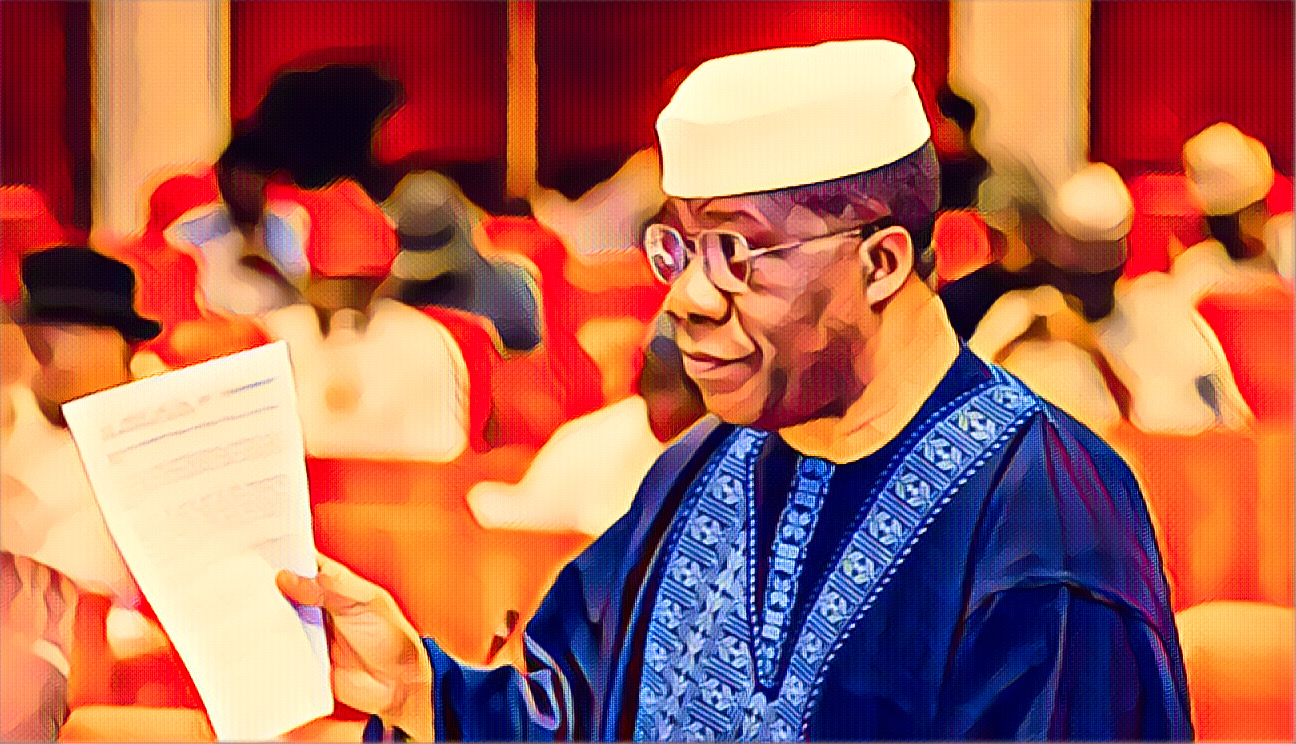
Senate Leader Opeyemi Bamidele has said the National Assembly will pass the constitutional amendment bill establishing state police this week, describing the reform as long overdue amid worsening insecurity. In an interview, the lawmaker representing Ekiti Central said Parliament had resolved to translate strong public demand for state police into law without further delay.
State police bill to reach states soon
According to Bamidele, a cross-section of Nigerians has made clear that there cannot be a better time to create state police. “We have reached a firm conclusion that we will pass the constitutional amendment to make provision for state police, and I can tell you today that this will come to fruition this very week,” he said.
Furthermore, he explained that the National Assembly would isolate the state police amendment from the broader constitutional review so lawmakers can vote quickly and transmit the bill to the 36 state Houses of Assembly. Because the Constitution requires approval from two-thirds of the assemblies, the chambers must trigger that process within the week. Notably, he said the President and most governors already back the measure, and intensive consultations have involved the Office of the Attorney General, the Chief of Staff and the Inspector General of Police.
Senate defends military, rejects spending probe
On security funding, Bamidele defended the Senate’s decision to reject a motion seeking a national committee to probe financial releases to the military. According to him, the chamber would not “put our own military on trial in the middle of a war,” because troops are giving their best under extraordinarily difficult conditions.
Moreover, he argued that standing committees on the Army, Air Force, Navy and Defence already handle oversight, approve budgets and inspect equipment, sometimes traveling abroad to verify procurement. However, he said the country cannot publicly disclose details such as drone specifications while fighting a guerrilla enemy. Consequently, he insisted that a public probe would amount to a “dangerous diversion.”
Bamidele also claimed the military is making significant progress, attributing the rising tempo of attacks partly to the frustration of terrorists suffering heavy casualties. Ultimately, he urged Nigerians not to let opponents weaponize the crisis, while reaffirming that Parliament would pursue other pending reforms, including the anti-terrorism bill and special legislative seats for women, after prioritizing the state police amendment.