

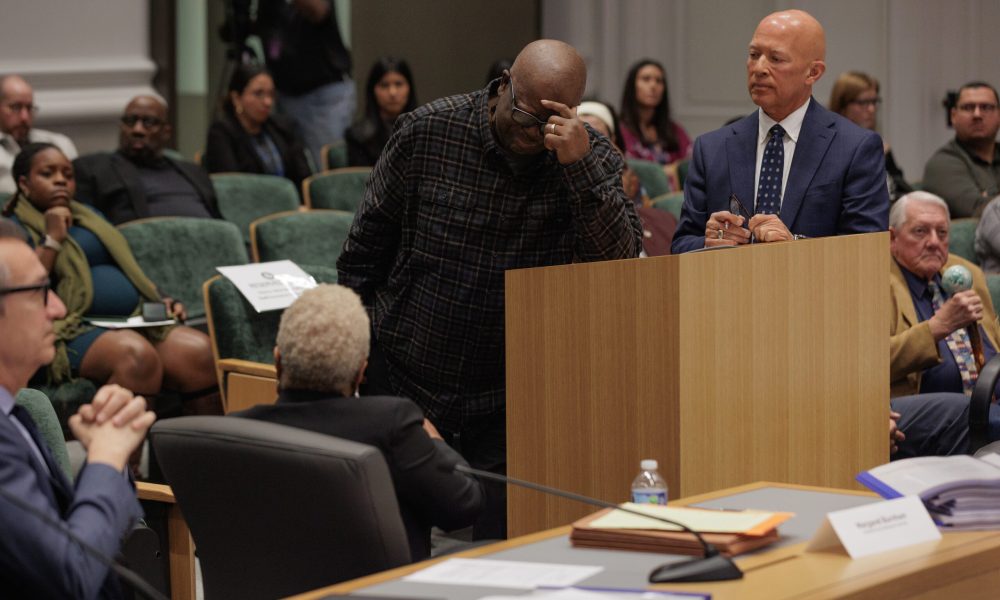
Nearly 70 years after he was executed for a murder he was accused of committing, a Texas man has been officially declared innocent in a landmark ruling that has reignited debate over wrongful convictions and the death penalty in the United States.
The posthumous exoneration marks a historic moment in the American justice system, bringing long-awaited vindication to a man whose guilt had been questioned for decades by legal scholars, historians, activists and members of his family.
The decision follows years of efforts to re-examine the case, which had remained one of Texas’ most controversial criminal convictions. Advocates argued that the man was wrongfully convicted and executed despite serious concerns about the integrity of the evidence presented during his trial.
The case gained renewed attention after the discovery of historical records and legal reviews that cast doubt on the original prosecution’s claims.
Investigators involved in the review found that key evidence used to secure the conviction was unreliable and that important information that may have supported the defendant’s innocence was either ignored, suppressed or never fully considered during the judicial process.
The findings ultimately led authorities to conclude that the conviction was unsafe, resulting in the rare declaration of innocence many decades after the execution had already been carried out.
READ ALSO: UN reports surge in executions in Iran, says 18 protesters among 40 killed since 2026
Legal observers described the ruling as one of the most significant acknowledgments of a miscarriage of justice in recent American legal history.
Relatives of the executed man welcomed the decision, saying it finally restores his good name after generations of stigma and unanswered questions.
Family members noted that while the ruling cannot reverse the execution or erase the pain endured over the years, it represents official recognition that an innocent man was put to death.
For those who spent decades campaigning to clear his name, the declaration serves as a powerful validation of their efforts and a measure of closure after years of legal battles and public advocacy.
The case has once again highlighted concerns about wrongful convictions and the challenges of correcting judicial errors after they occur.
Legal experts said the exoneration demonstrates the importance of ensuring that criminal investigations and prosecutions meet the highest standards of fairness, particularly in cases involving capital punishment.
They argued that the irreversible nature of executions makes accuracy and due process essential, as mistakes cannot be remedied once a sentence has been carried out.
According to justice reform advocates, the case illustrates how flawed evidence, inadequate legal representation, prosecutorial misconduct or failures in the disclosure of critical information can lead to devastating consequences.
The ruling has also reignited broader discussions about the use of the death penalty in the United States.
Opponents of capital punishment argue that the exoneration underscores the inherent risks of a system that can impose irreversible punishments despite the possibility of wrongful convictions.
They contend that no justice system is immune from error and that cases such as this highlight the need for stronger safeguards and continued scrutiny of death penalty practices.
Supporters of criminal justice reform say the case should serve as a reminder that courts and prosecutors must remain vigilant in reviewing past convictions when new evidence emerges.
The declaration of innocence is expected to stand as one of the most notable posthumous exonerations in Texas history, adding to a growing list of cases that have prompted reassessments of historical convictions.
While the ruling cannot change the events that led to the man’s execution decades ago, it has provided official acknowledgment that a grave injustice occurred.
For his family and supporters, the decision represents a long-overdue correction of the historical record and a lasting testament to the pursuit of justice, even when it arrives generations too late.