

KEY POINTS
- The EFCC says it had largely concluded its terrorism financing probe before US sanctions.
- It is preparing charges against Lagos BDC operator Mukhtar Adamu Muhammad and three firms.
- Nigeria had earlier listed the individuals and entities on its own sanctions list.
The Economic and Financial Crimes Commission was already investigating a Lagos-based bureau de change operator, Mukhtar Adamu Muhammad, and three companies linked to him for alleged terrorism financing before the United States imposed sanctions on them, sources within the anti-graft agency have disclosed. Top officials said the commission had concluded significant parts of its probe and was preparing charges when Washington announced the sanctions.
A probe ahead of the sanctions
According to a source, the commission had built its case well before the US action. “We investigated these individuals and the BDC companies for terrorism financing and were preparing charges against them when the U.S. indicted them,” the source said. Although the EFCC has yet to issue an official statement, the sources said the probe focused on transactions suspected of funding terrorist operations, but they declined to say when it would file charges.
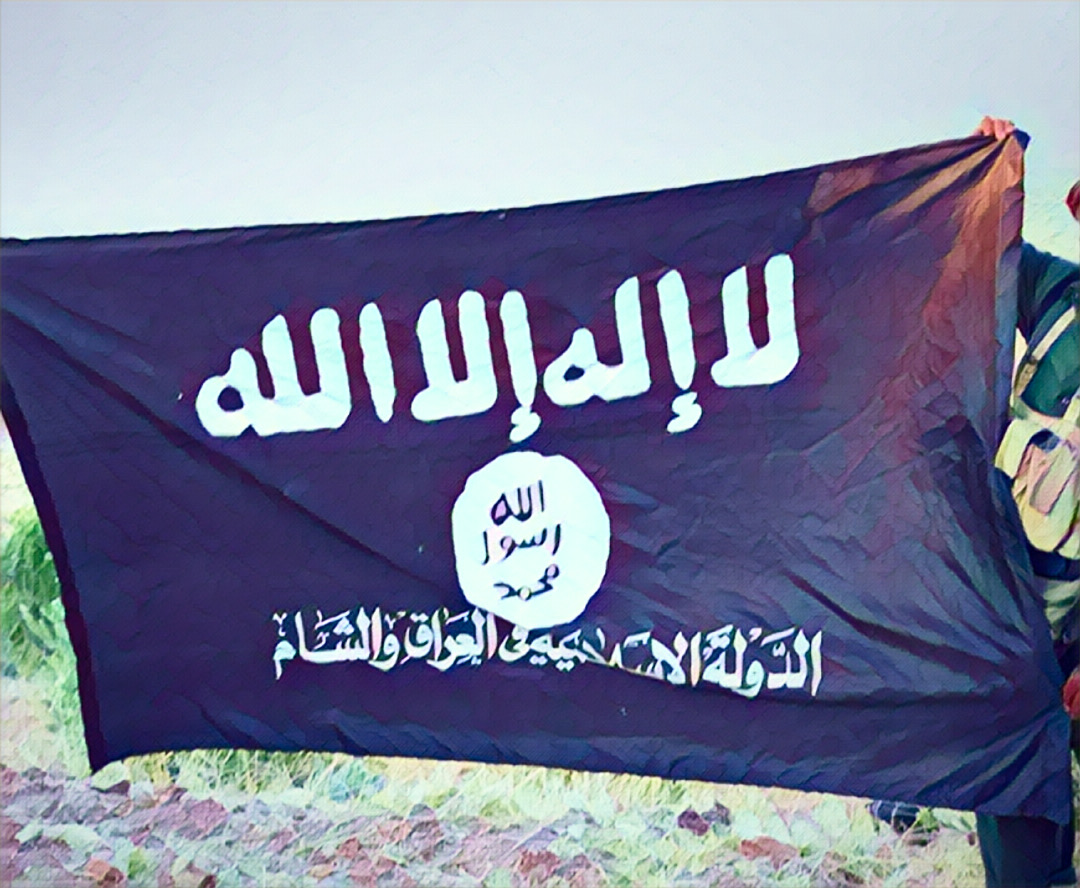
Moreover, the United States designated Muhammad and three Nigerian firms as alleged financial facilitators for the Islamic State of Iraq and Syria. According to a statement from US Department of State spokesperson Thomas Pigott, the sanctions targeted individuals and entities operating in France, Syria, Türkiye and Nigeria. US authorities alleged that Muhammad and the companies moved funds for the West African branch of ISIS. Consequently, the sanctions freeze any assets within US jurisdiction and bar US persons from dealing with them.
Nigeria’s coordinated action leads to terrorism financing charge
Furthermore, the Nigeria Sanctions Committee welcomed the decision by the US Office of Foreign Assets Control to blacklist Adamu, Nine to Nine BDC and Generation BDC. In a statement, the committee said the US move followed Nigeria’s earlier designation of the individuals and entities on June 18, 2026.
According to the committee, the listings rested on extensive intelligence gathering, financial investigations and inter-agency assessments, which established reasonable grounds to link the parties to ISWAP and associated networks. In addition, it reiterated its directive to financial institutions to enforce asset freezes, file Suspicious Transaction Reports and report relevant matches.
The committee also commended the Justice Ministry, the Office of the National Security Adviser, the CBN, the DSS, the EFCC and the Financial Intelligence Unit. Ultimately, it reaffirmed that terrorists and their financiers would find no safe haven in Nigeria’s financial system, pledging to keep working with domestic and international partners to protect national security and strengthen financial integrity.