
From Nigeria’s Airtime Billions To A £42m London Mansion: The Extraordinary Wealth Of Optasia’s Bassim Haidar

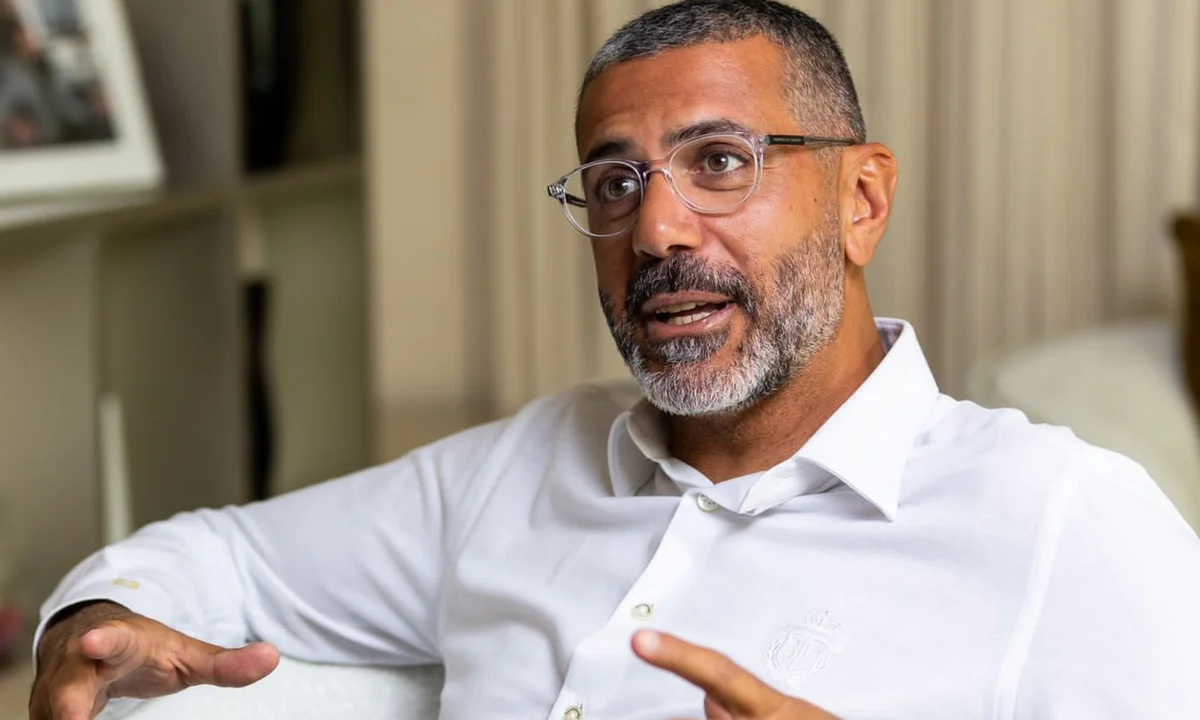
As Nigeria moves to open the airtime credit lending market long dominated by Optasia, renewed attention is being focused on the lavish lifestyle of the company’s founder, Bassim Haidar, whose wealth has placed him among the world’s elite billionaires.
The growing scrutiny of Haidar’s wealth is occurring against the backdrop of allegations by regulators and industry stakeholders that Optasia’s long-standing dominance of Nigeria’s airtime credit lending market has come at a significant cost to the country’s economy. The Nigerian-born Lebanese businessman recently made headlines after acquiring a full-floor apartment in London’s ultra-exclusive One Hyde Park development for approximately £42 million, according to reports by Billionaires Africa and Yahoo Finance.
The 9,000-square-foot residence sits in what is widely regarded as Britain’s most expensive residential address and one of the most exclusive property developments in the world. Haidar described the purchase as a long-term investment and part of a broader strategy to expand his already substantial property portfolio in the United Kingdom. According to the London based newspaper, The Guardian, Haidar owns a 20 million Pounds five -bedroom flat also near Chelsea’s Sloane Square. According to Billionaires Africa, Haidar’s personal fortune is estimated to be approaching £1 billion, with approximately £80 million already invested in prime central London real estate.
Life Among the Global Super-Rich
One Hyde Park itself has become synonymous with global wealth and power. The Knightsbridge development has housed royalty, oligarchs, billionaires and some of the world’s wealthiest business figures. Property experts have frequently described it as the most expensive apartment complex in the United Kingdom. Reports gathered by Per Second News from London property publications listed him among the wealthy owners of apartments in the development as far back as 2013.
Yachts, Private Jets and Luxury Living Beyond real estate
Haidar’s wealth is reflected in a collection of luxury assets that few entrepreneurs can rival. Industry publications report that he owns multiple luxury yachts carrying the “Bash” name, including the famous Codecasa-built superyacht Bash. The vessel accommodates guests and crew in luxury and has become a fixture of the Mediterranean yachting circuit. He is also reported to own a Gulfstream G550 private jet, one of the most sought-after long-range business aircraft in the world. The jet is capable of non-stop intercontinental flights and is widely used by billionaires, heads of state and global corporate executives. International reports further note that Haidar previously owned a luxury yacht linked to Princess Diana’s final Mediterranean holiday, underscoring the scale of the assets accumulated during his decades in telecommunications and fintech.
The Wealth Behind the Optasia Empire
Haidar built his fortune after founding Channel VAS, the company that later evolved into Optasia, a digital lending and fintech giant operating across Africa, the Middle East, Asia and Latin America. The company became one of the dominant players in airtime credit and mobile financial services, including in Nigeria. The spotlight on Haidar’s wealth comes at a time when Nigerian regulators are moving to dismantle what they describe as a long-standing monopoly in the airtime credit lending sector. Critics argue that while Nigerian consumers generated enormous revenues through airtime lending and data advance services over the years, much of the wealth created flowed offshore rather than being reinvested locally. Officials familiar with the ongoing regulatory review argue that the monopoly structure deprived Nigerian fintech companies of opportunities to compete in a sector worth trillions of naira annually, limiting local innovation, job creation and domestic wealth generation. According to sources, billions of naira in profits generated from Nigerian consumers over the years were repatriated abroad rather than reinvested into Nigeria’s technology ecosystem, fueling concerns about capital flight at a time when the country is grappling with foreign exchange shortages, unemployment and sluggish economic growth.
Critics contend that the contrast between the extraordinary wealth accumulated by Optasia’s founder and the economic realities faced by millions of Nigerians has become increasingly difficult to ignore. “While millions of Nigerians struggle daily with rising living costs and economic hardship, vast sums generated from their transactions have allegedly been transferred overseas,” one industry source said. “The question many are asking is whether Nigeria received fair value from a market that remained effectively under the control of a single foreign operator for more than a decade.” Regulators backing the planned liberalisation of the sector argue that opening the market to Nigerian-owned fintech companies will ensure that a larger share of revenues remains within the country, creating jobs, supporting local innovation and contributing more directly to national economic development.
For supporters of the reform, the issue is no longer merely about competition. It is about economic sovereignty, wealth retention and ensuring that profits generated from Nigerian consumers contribute to Nigerian prosperity rather than financing luxury lifestyles and investments overseas. Regardless of where one stands in the debate, the contrast is difficult to ignore: while Nigeria battles to retain capital, create jobs and deepen local participation in the digital economy, the founder of the company at the centre of the controversy now resides among the world’s super-rich, with luxury homes, private aircraft and multimillion-pound assets spread across some of the most exclusive locations on earth.
That debate has gained further momentum as images of London’s £42 million One Hyde Park residences, private jets and Mediterranean superyachts are increasingly contrasted with the realities of a country where millions continue to battle poverty, unemployment and economic uncertainty.