
Experts warn environmental communication is key to Nigeria’s sustainability drive amid worsening pollution crisis

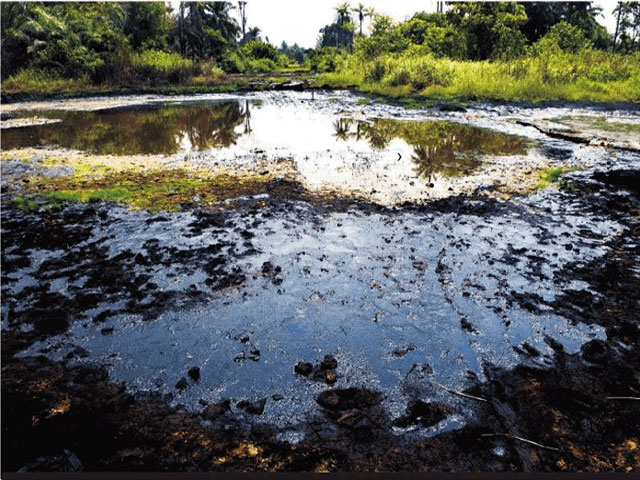
Environmental and communication experts have cautioned that Nigeria’s ability to meet its climate and sustainability targets is increasingly being undermined by persistent oil pollution, gas flaring, and widespread waste mismanagement, calling for stronger public engagement and accountability mechanisms.
The warning was delivered at the second NNPC Foundation Symposium on Energy and Environmental Communication held at Pan-Atlantic University, Lagos, where academics, policymakers, and media practitioners stressed that environmental governance must be supported by effective communication strategies to drive real behavioural and institutional change.
A keynote speaker, Prof. Angela Nwammuo of Southern Delta University, Ozoro, said environmental sustainability efforts in Nigeria are being weakened by poor communication between regulators, corporations, and host communities, particularly in oil-producing regions of the Niger Delta.
She argued that environmental policy alone is insufficient without transparency and sustained dialogue that ensures communities are properly informed and engaged.
“Oil pollution, gas flaring, flooding, erosion, deforestation, and poor waste management have intensified concerns over ecological sustainability. Nigeria faces significant challenges that continue to negate our national sustainability goals,” she said.
Discussions at the symposium also highlighted the financial challenges facing Nigeria’s climate commitments, including its target to reduce greenhouse gas emissions by 2030. Experts noted that achieving these goals would require an estimated $337 billion, with a significant portion expected to come from external financing.
Participants warned that international investors are unlikely to commit funds without improved transparency, credible environmental data systems, and stronger enforcement of corporate accountability standards.
The conference also referenced several ongoing environmental incidents across oil-producing communities as evidence of deepening ecological stress.
In Rivers State, civil society groups and Amnesty International have raised concerns over reported methane emissions in Bille community, where regulatory tests by the National Oil Spill Detection and Response Agency (NOSDRA) indicated unusually high levels of contamination affecting water sources and livelihoods.
In Bayelsa State, a major crude oil spill along the River Ramos earlier in 2026 reportedly devastated aquatic ecosystems and disrupted fishing activities in neighbouring Delta State communities.
Stakeholders also expressed concern over ongoing debates around oil asset divestments, warning that the sale of onshore assets by international oil companies must not be used to evade responsibility for historical environmental damage.
Participants at the symposium urged the Federal Government and regulatory agencies, including the Nigerian Upstream Petroleum Regulatory Commission (NUPRC), to shift from reactive responses to a more proactive environmental monitoring framework.
They agreed that strengthening communication, enforcement, and community engagement would be critical to reversing environmental degradation and improving Nigeria’s chances of meeting its long-term sustainability objectives.