

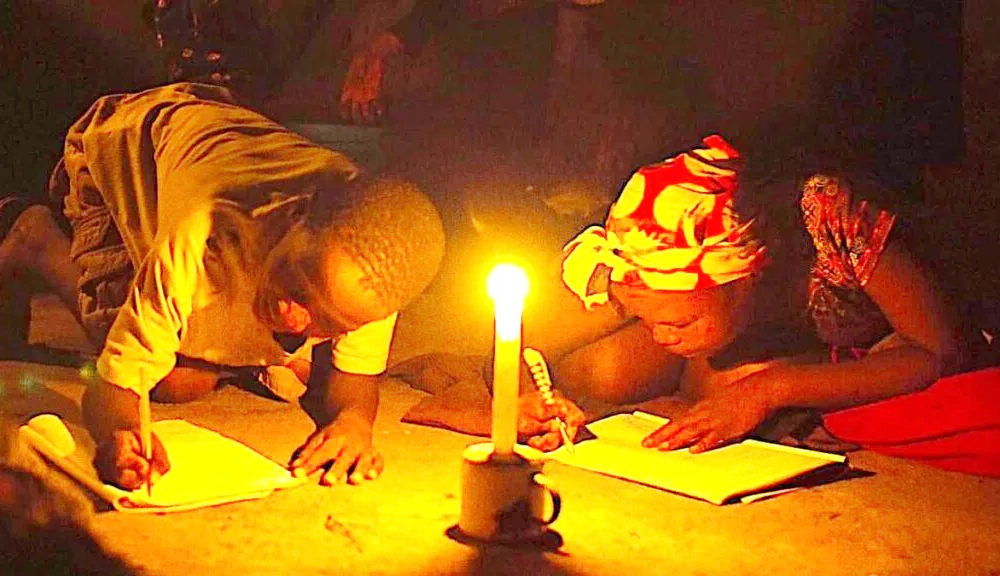
Fresh disruptions to Nigeria’s national electricity grid have once again plunged parts of the country into darkness, exposing the persistent challenges facing the power sector and renewing calls for a decentralized approach to electricity generation and distribution.
Despite years of reforms and significant investments in the sector, electricity supply remains unstable, with millions of households and businesses continuing to grapple with frequent outages that disrupt economic activities and daily life.
The latest grid disturbance saw power generation drop sharply from about 4,500 megawatts to near-zero levels within hours, leaving electricity distribution companies across the country without load allocation and causing widespread blackouts in major cities, including Lagos and Abuja.
Industry experts say the recurring collapses highlight the fragility of Nigeria’s centralized transmission network, which remains heavily dependent on a single national grid managed by the Transmission Company of Nigeria (TCN).
According to sector data, Nigeria’s electricity demand is estimated at about 30,000 megawatts, while installed generation capacity stands at roughly 12,000 megawatts. However, actual daily generation rarely exceeds 5,000 megawatts, creating a significant gap between supply and demand.
Officials of the Nigerian Independent System Operator (NISO) and TCN have often attributed grid failures to technical faults, voltage fluctuations, and transmission disruptions at critical substations. Energy analysts argue that faults in key transmission infrastructure can quickly trigger a chain reaction across the national grid, forcing power plants offline and resulting in widespread outages.
The economic consequences of unreliable electricity continue to weigh heavily on businesses and public institutions. Manufacturers, small businesses, and healthcare facilities are among the hardest hit, often relying on expensive diesel and petrol generators to maintain operations.
Healthcare providers have expressed concerns over the impact of power outages on critical services, including medical procedures, diagnostic operations, and oxygen supply systems. Rising energy costs have also increased operational expenses for hospitals nationwide.
In response to these challenges, the Federal Government recently launched the Nigeria Power for Health Initiative, a programme designed to improve electricity access in healthcare facilities through partnerships with the private sector. The initiative aims to provide more reliable power to thousands of health centres across the country by 2027.
Meanwhile, the commercial city of Aba in Abia State has emerged as an example of an alternative electricity model. The city operates largely outside the national grid through an integrated power system managed by Geometric Power, which combines local generation with dedicated distribution infrastructure.
The relative stability of electricity supply in Aba has intensified calls for the development of regional and state-based power markets, a move enabled by the Electricity Act 2023. Supporters of decentralisation argue that smaller, independent grids could reduce the risk of nationwide blackouts and improve reliability.
At the same time, many Nigerians are increasingly turning to alternative energy sources. The adoption of solar power systems and inverter technology has grown significantly as households and businesses seek more dependable energy solutions amid rising fuel costs and persistent grid failures.
Energy experts believe that unless substantial investments are made in transmission infrastructure and regional power systems, the migration away from the national grid will continue.
As Nigeria pursues reforms aimed at strengthening electricity supply, stakeholders say improving transmission capacity, encouraging private-sector participation, and accelerating decentralised power projects will be critical to achieving long-term energy security and supporting economic growth.