

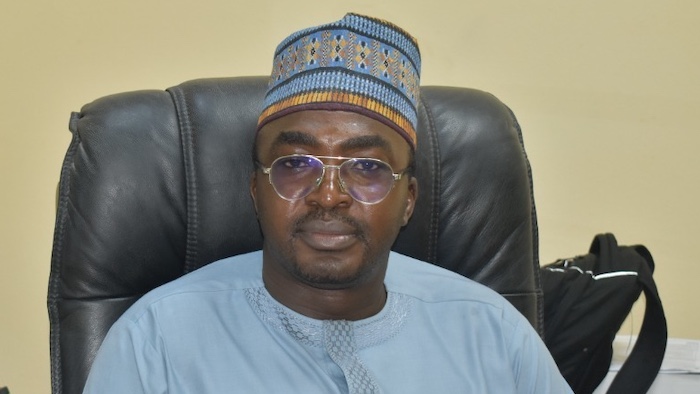
Environmental expert Dr. Joseph Onoja has warned that Nigeria cannot effectively tackle its growing flooding challenge while continuing to destroy wetlands, forests and other natural ecosystems that serve as critical flood defences.
In an article examining the country’s recurring flood disasters, Onoja said flooding in Nigeria has evolved from a seasonal challenge into a persistent national problem driven by climate change, environmental degradation and poor urban planning.
According to him, increasingly intense rainfall linked to climate change is combining with human activities such as deforestation, wetland destruction, poor drainage systems and development on floodplains to worsen flood impacts across the country.
“Climate change may trigger the rainfall, but environmental degradation determines whether rain becomes disaster,” Onoja said.
He noted that scientific evidence continues to show that extreme rainfall events are becoming more intense across Africa, with urban centres such as Lagos already experiencing more frequent flooding from both short-duration heavy rainfall and prolonged rainfall events.
However, he argued that climate change alone does not explain the scale of devastation recorded in many communities.
“Ordinarily, heavy rainfall should not automatically become a disaster. Healthy wetlands, functional drainage systems, protected floodplains, and well-planned urban infrastructure are designed to absorb and manage excess water. But when these natural and engineered systems fail or are deliberately compromised, communities become increasingly vulnerable,” he said.
Onoja described Nigeria’s flooding challenge as both a climate issue and a governance issue, pointing to the destruction of forests, wetlands, mangroves and floodplains that traditionally help absorb excess water, reduce erosion and limit flooding.
He said deforestation reduces the ability of soil to absorb water, increasing runoff and erosion, while sediments washed into drainage systems reduce their capacity and contribute to urban flooding. He also highlighted the increasing conversion of wetlands and floodplains for construction and urban expansion.
“The irony is embedded in the name itself: floodplains exist to absorb floods,” he said.
Focusing on Lagos, Onoja said water bodies, lagoons, creeks and wetlands account for more than 62% of the state’s land area, making environmental protection particularly important for flood management.
“Wetlands are not vacant land waiting for development; they are natural infrastructure protecting cities from collapse,” he said.
He warned that ecologically sensitive areas such as the Lekki Conservation Centre continue to play a vital role in absorbing and retaining water, helping to protect surrounding communities from flooding.
“If such ecological buffers are lost to uncontrolled development, entire communities become significantly more exposed to flooding risks with attendant consequences for human health, livelihoods, wellbeing, infrastructure, and property,” he added.
While acknowledging efforts to strengthen climate adaptation, Onoja said existing measures are not keeping pace with rapid urbanisation and rising climate risks.
He referenced the Lagos Climate Adaptation and Resilience Plan, which identifies dozens of adaptation projects and estimates financing requirements of between US$9 billion and US$16 billion by 2035.
Despite such initiatives, he said inadequate drainage systems, weak urban governance and insufficient climate-resilient infrastructure continue to increase vulnerability across Nigerian cities.
Onoja warned that the next two decades could bring more intense rainfall, river flooding, urban flooding and coastal erosion, particularly in low-lying coastal areas such as Lagos, where rising sea levels are expected to increase risks further.
“The cost of protecting ecosystems today is far lower than the cost of rebuilding cities tomorrow,” he said.
He called for nature-based solutions to become a central component of climate adaptation policies at both national and sub-national levels, including the protection and restoration of forests, wetlands, mangroves and floodplains, improved drainage infrastructure, stronger urban planning regulations and better waste management systems.
“These actions are not optional environmental luxuries. They are essential investments in public safety, economic stability, and national resilience,” he said.
“The future of flood resilience in Nigeria will depend as much on ecological protection as on engineering.”
Onoja said Nigeria faces a defining choice between continuing to respond to floods after disasters occur or investing in prevention and resilience before the next major flooding event.
“Protecting forests, wetlands, restoring degraded ecosystems, and strengthening climate adaptation systems are not simply environmental priorities. They are national development imperatives,” he said.
He added that the long-term resilience of Nigerian cities would depend on how seriously policymakers and stakeholders treat environmental protection and climate adaptation efforts today.
Faridah Abdulkadiri
Follow us on: