

Environment
EnviroNews Advocacy and Campaigns for Sustainability (Endvocas) and the Women Environmental Programme (WEP) have intensified efforts to strengthen environmental journalism and climate awareness in Nigeria.
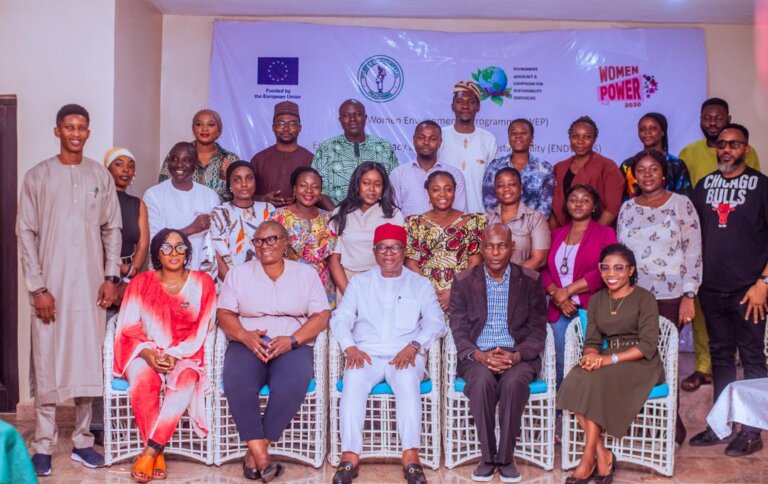
The organisations recently convened 45 journalists, media professionals and climate influencers in Abuja to enhance reporting on climate governance, environmental sustainability and mercury pollution.
The capacity-building workshop aimed to improve environmental communication and support Nigeria’s commitment to global climate targets and international environmental agreements.
Participants examined the role of journalism in promoting environmental accountability, public awareness and citizen engagement on climate-related issues.
Nigeria continues to face severe ecological challenges, including flooding, desertification, pollution and other climate-related threats affecting millions of people.
Experts noted that climate change and environmental degradation continue to undermine livelihoods, economic growth and sustainable development across the country.
Speakers stressed that effective environmental journalism remains critical to translating complex scientific information into accessible stories for the public.
They said informed reporting could help citizens understand environmental risks and demand greater accountability from policymakers and institutions.
The workshop focused on climate governance, gender mainstreaming and implementation of the United Nations Framework Convention on Climate Change (UNFCCC).
Discussions also covered the Minamata Convention on Mercury and its implications for environmental protection and public health in Nigeria.
Stakeholders from the Federal Ministry of Environment, GreenFaith Nigeria, Sustainable Research and Action for Development (SRADev), Abundance of Hope Initiative and CSDevNet delivered goodwill messages.
They highlighted the importance of partnerships in addressing environmental challenges and improving public understanding of climate issues.
A former member of the House of Representatives, Sam Onuigbo, delivered the keynote address.
Onuigbo spoke on the need for stronger climate governance and collective action to address environmental challenges confronting the country.
Executive Director of Endvocas, Michael Simire, presented a paper on outcomes of COP30 and emerging expectations for COP31.
He said Africa remained one of the regions most vulnerable to climate change and called on journalists to sustain coverage of climate negotiations.
Simire urged media professionals to inform, investigate and inspire action because decisions taken at climate conferences directly affect Nigeria’s future.
Publisher of Science Nigeria, Nkechi Isaac, trained participants on effective coverage of climate conferences.
She emphasised preparation, verification and clear communication as essential tools for credible climate reporting.
Isaac also encouraged journalists to embrace virtual reporting opportunities while maintaining professional standards and accuracy.
Research and Project Officer at the Centre for Journalism Innovation and Development, Nicholas Adeniyi, spoke on simplifying scientific information for public consumption.
He urged journalists to make science meaningful and relatable without compromising accuracy and factual integrity.
Representatives of the National Environmental Standards and Regulations Enforcement Agency (NESREA) delivered presentations on the Minamata Convention on Mercury.
The sessions examined the environmental and health implications of mercury exposure and the need for stronger public awareness.
Executive Director of SRADev, Leslie Adogame, discussed products prohibited under the convention due to mercury content.
Experts also highlighted the dangers of mercury in skin-lightening products and its effects on human health and the environment.
Participants viewed a documentary exposing the consequences of mercury-based cosmetics and unsafe skin-whitening practices.
The programme further explored the gender dimensions of mercury pollution and its disproportionate impact on women and vulnerable groups.
Founder and Global President of WEP, Pricilia Achakpa, described the initiative as timely and strategic.
Achakpa said the workshop demonstrated leadership and foresight at a period when environmental concerns required urgent and coordinated action.
She commended Endvocas, CSDevNet and other partners for supporting environmental journalism and strengthening collaboration among stakeholders.
Participants recommended the creation of a national environmental journalism coalition to improve collaboration and attract funding opportunities.
They also proposed annual support for journalists covering global climate summits and environmental governance meetings.
Other recommendations included mentorship programmes, specialised environmental reporting training and increased support for local storytelling initiatives.
The participants further called for stronger partnerships with government agencies, development organisations and the private sector.
They urged sustained public education campaigns to raise awareness about mercury-containing products and environmental sustainability.
The workshop ended with a commitment by stakeholders to deepen collaboration and strengthen media engagement in Nigeria’s climate action efforts.
F.O
Tags: Endvocas Environmental Journalism