
7.8-magnitude quake hits southern Philippines, triggers tsunami alerts | In pics

(Photo Credit : Reuters)
 1 / 10
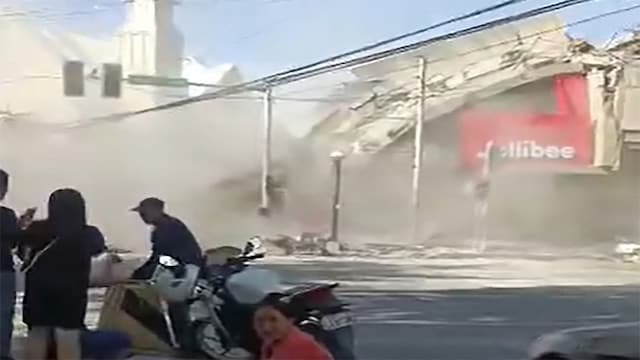
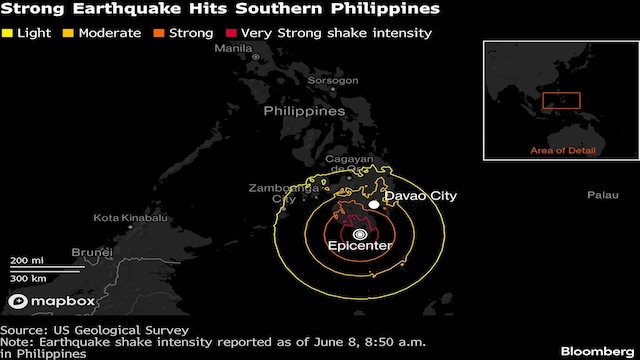
Quake Strikes: A magnitude 7.8 earthquake struck off the southern Philippines on Monday, shaking Mindanao and triggering tsunami warnings across parts of the western Pacific. The quake occurred near Sarangani province, according to monitoring agencies in the Philippines and the United States. Different agencies reported varying measurements for the quake’s depth and magnitude, while authorities warned that tsunami waves could affect nearby coastlines.
(Photo Credit : AFP)
2 / 10Casualties Reported: Philippine authorities reported at least one death and four injuries following the earthquake. Police in General Santos City said the figures were preliminary as rescue operations continued. Emergency teams were deployed to assess the situation and search affected areas. Officials cautioned that casualty numbers could change as more information became available from communities impacted by the quake.
(Photo Credit : AFP)
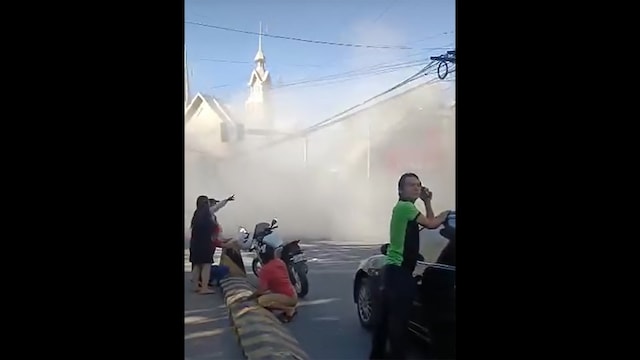
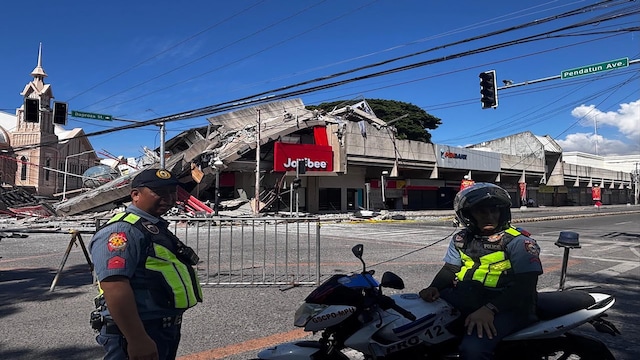
3 / 10Buildings Damaged: Several buildings were damaged or collapsed in parts of southern Mindanao. Verified videos showed a shopping centre containing a Jollibee restaurant collapsing in General Santos City, while a building on a school campus also crumpled. Another commercial building partially collapsed, forcing people to evacuate. Authorities said they were still determining the full extent of structural damage across the region.
(Photo Credit : Bloomberg)
4 / 10Tsunami Warning: The Pacific Tsunami Warning Center warned that tsunami waves could reach some coasts of the Philippines, Indonesia, Palau, Taiwan and Papua New Guinea within hours of the earthquake. It later reported that waves had been observed. The agency said waves of up to three metres were possible along some Philippine coastlines, with smaller waves expected in parts of neighbouring countries.
(Photo Credit : Reuters)
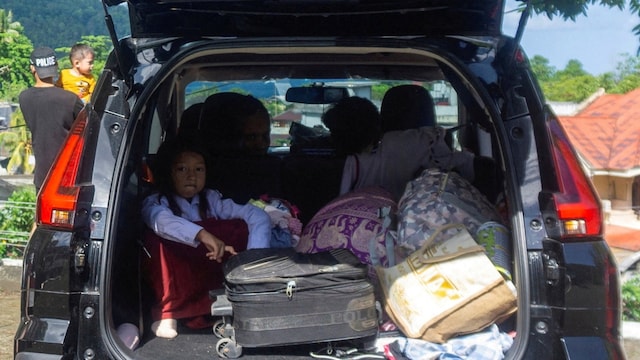
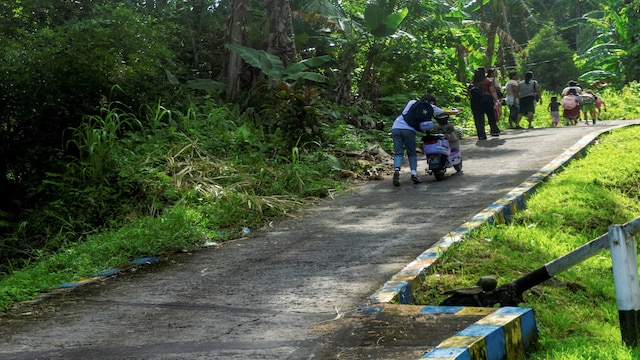
5 / 10Evacuation Orders: President Ferdinand Marcos Jr. ordered residents in coastal areas to move to higher ground immediately and suspended classes in affected parts of Mindanao. He also directed government agencies to respond quickly to the emergency. In Indonesia, disaster officials instructed residents in vulnerable coastal areas, including parts of Sulawesi and nearby islands, to evacuate as a precaution against possible tsunami impacts.
(Photo Credit : AP)
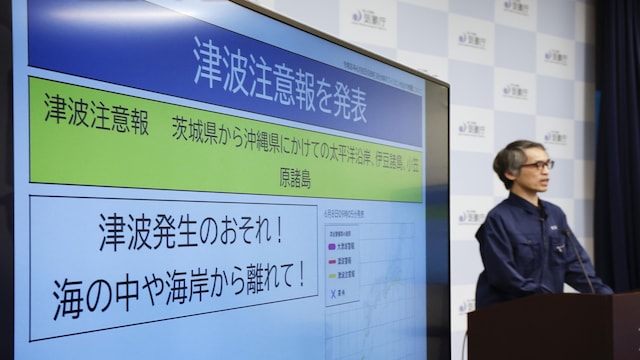
6 / 10Regional Alerts: Japan issued a tsunami advisory for parts of its Pacific coastline, warning that waves of up to one metre could reach some areas. Monitoring agencies also warned of possible sea-level changes in Taiwan, Guam, Papua New Guinea and several Pacific island territories. The Pacific Tsunami Warning Center said the earthquake posed no tsunami threat to Hawaii.
(Photo Credit : Reuters)
7 / 10Services Disrupted: The earthquake disrupted daily activities across southern Philippines. Students were evacuated from schools, and a hospital moved patients outside as a safety measure. Government work was suspended in several areas, including Davao City, according to local reports. Flights to General Santos City were also halted, while power outages and unstable phone connections affected communication in some communities.
(Photo Credit : AFP)
8 / 10People Describe Tremors: Residents described strong shaking as the earthquake struck. Sarangani disaster official Rene Punzalan compared the motion to being rocked in a cradle. A resident of General Santos City said the tremor was so strong that he struggled to stand and watched items fall inside his home. A resort worker in Sarangani Bay reported that guests were evacuated and the property sustained damage.

(Photo Credit : AP)
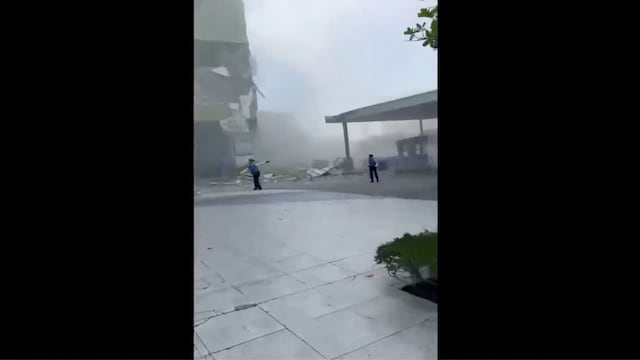
9 / 10Aftershocks Continue: A series of aftershocks followed the main earthquake. The U.S. Geological Survey reported aftershocks reaching magnitude 6.5, while a separate magnitude 6.1 tremor struck hours later near Sarangani province. Authorities continued monitoring seismic activity and assessing any additional risks. Experts noted that differences in measurements issued by various agencies are common after major earthquakes.
(Photo Credit : AP)
10 / 10Frequent Earthquakes: The Philippines regularly experiences earthquakes because it lies along the Pacific Ring of Fire, a region known for frequent seismic activity. Eastern Mindanao was hit by magnitude 7.4 and 6.7 earthquakes in October, killing at least eight people. Days earlier, a magnitude 6.9 quake killed 76 people and damaged or destroyed about 72,000 buildings in Cebu province, according to government figures.