

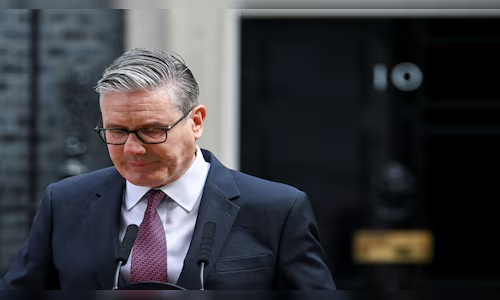
Five British prime ministers in eight years shaped UK politics before Keir Starmer’s rise and fall. Here is how political chaos changed Britain’s lead…
 1/9
1/9Britain’s Political Chaos Before Starmer | Britain went through one of its most turbulent political periods in recent years, with five prime ministers in eight years before Keir Starmer’s rise. Brexit battles, leadership changes, scandals and economic uncertainty weakened public confidence in the Conservative government. Starmer entered Downing Street promising stability. But less than two years later, he faced his own leadership crisis. Here is how Britain’s political turmoil shaped Keir Starmer’s journey. (Image: Canva)
 2/9
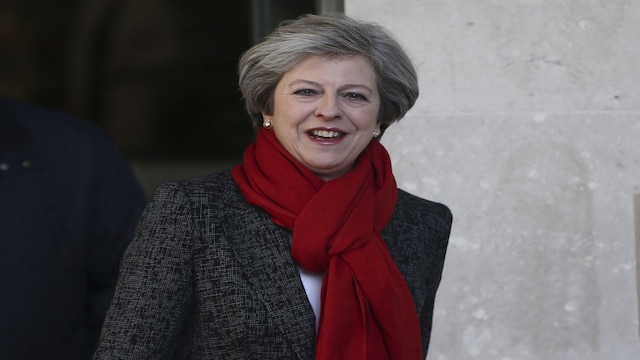
2/9Theresa May — Brexit Crisis Begins | Theresa May became prime minister in 2016 after the Brexit referendum. Her government struggled to unite Parliament behind a Brexit plan, leading to repeated political battles. After failing to secure support for her approach, May announced she would step down in 2019. Her exit marked the beginning of a period of rapid leadership changes in Britain. (Image: Reuters)
 3/9
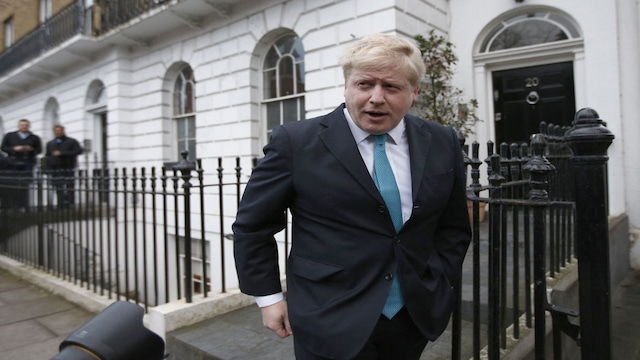
3/9Boris Johnson — Big Win, Bigger Controversies | Boris Johnson became prime minister in 2019 and led the Conservatives to a major election victory. However, his leadership later came under pressure after a series of controversies, including criticism over lockdown parties during the COVID-19 pandemic. AP noted that Starmer later used the political turmoil of the Johnson years as a contrast, presenting Labour as a party focused on restoring trust. Johnson resigned in 2022 after losing support within his own party. (Image: Reuters)
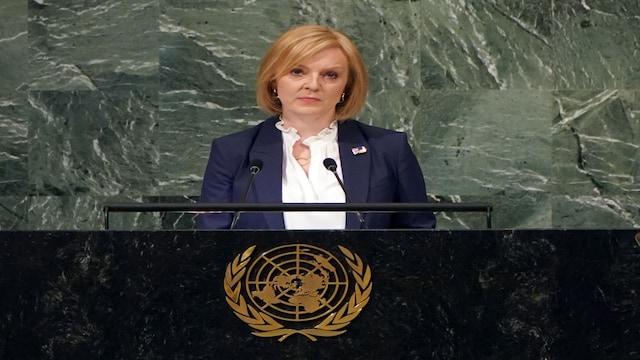 4/9
4/9Liz Truss — The 45-Day Premiership | Liz Truss became prime minister in September 2022 but left office after just 45 days. Her economic plans triggered market instability and faced strong criticism. Her short tenure became one of the clearest examples of the political uncertainty affecting Britain at the time. (Image: Reuters)
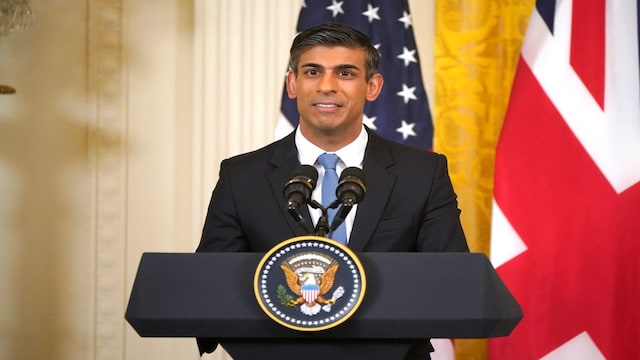 5/9
5/9Rishi Sunak — The Final Conservative PM Before Labour Return | Rishi Sunak took charge in October 2022 after Truss’s resignation. He focused on economic recovery, inflation and rebuilding confidence, but faced the challenge of leading a party already struggling after years in power. By 2024, voters were looking for change. Starmer’s Labour won 411 seats in the general election, ending 14 years of Conservative rule. (Image: Reuters)
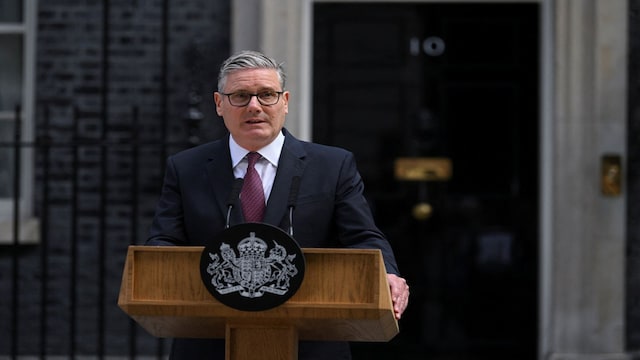 6/9
6/9Keir Starmer — From Lawyer To PM | Keir Starmer entered politics after a long legal career and became a Labour MP in 2015. He became Labour leader in 2020 after the party’s defeat under Jeremy Corbyn. Reuters reported that Starmer rebuilt Labour by moving it towards the centre and focusing on making the party more electable. His 2024 victory was historic, but analysts also pointed out that Labour’s support was partly driven by voter frustration with the Conservatives. (Image: Reuters)
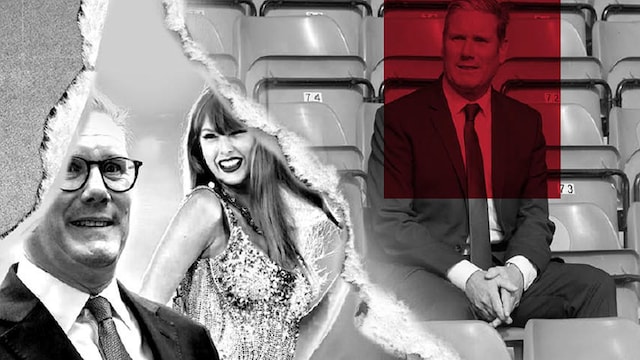
(Photo Credit : Network18 Creatives)
7/9The Promise Of Stability Starts To Fade | Starmer came to power promising “no more soap opera politics” and a calmer style of government. But his administration soon faced challenges, including criticism over donations and gifts, policy reversals and internal disagreements. Reuters reported that critics within Labour felt Starmer struggled to present a clear long-term direction for the country. Questions also grew over issues such as economic growth, public services and immigration.
 8/9
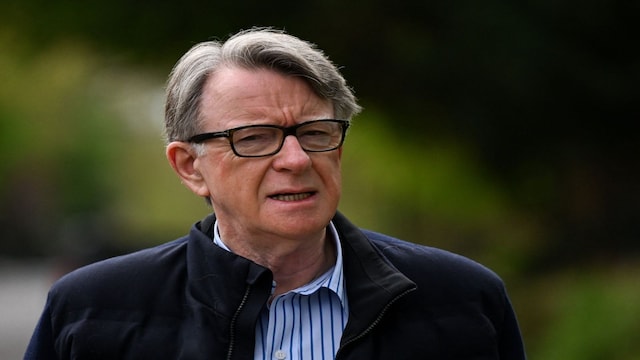
8/9Mandelson Controversy And Leadership Crisis | A major turning point came after Starmer appointed Peter Mandelson as Britain’s ambassador to the United States. The appointment later faced scrutiny because of Mandelson’s past links to Jeffrey Epstein. AP reported that Starmer dismissed Mandelson after further details emerged, but the controversy damaged confidence in his leadership. The crisis deepened as Labour lawmakers became increasingly worried about the party’s future prospects. (Image: Reuters)
 9/9
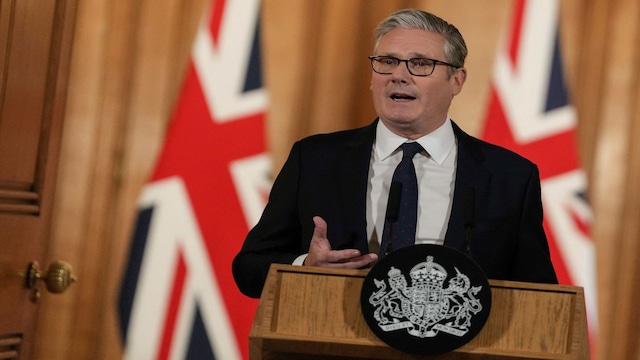
9/9Starmer’s Exit — The Cycle Continues | After Labour suffered poor results in local and regional elections, pressure mounted on Starmer from within his own party. Some lawmakers feared entering the next general election with him as leader, especially as support grew for Nigel Farage’s Reform UK. Starmer announced he would step down as Labour leader while continuing as caretaker prime minister until a successor was chosen. The leader who rose by promising to end Britain’s political chaos ultimately became part of the country’s latest leadership transition. (Image: Reuters)