

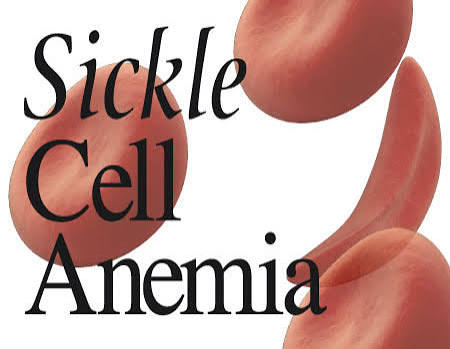

Nigeria stands today at the uneasy intersection of knowledge and neglect. Few health challenges illustrate this contradiction more starkly than sickle cell disease. For decades, awareness campaigns, medical research, and policy pronouncements have created the impression that the country was gradually gaining control over a condition so deeply woven into its public health fabric. Yet recent data tells a different story, one that is urgent.
New findings published in a leading global medical journal reveal that Nigeria now carries the heaviest burden of sickle cell disease in the world, with over 1.5 million children under the age of 15 living with the condition. Across sub-Saharan Africa, nearly nine million children are affected, with the youngest-infants and those under five, facing the highest risk of early death. These numbers are not just statistics; they represent lives constrained by pain, families pushed to emotional and financial limits, and a healthcare system struggling to translate knowledge into impact.
What makes this reality particularly troubling is that it is not for lack of scientific progress or local ingenuity. Nigeria has, at different points, shown flashes of promise. Over a decade ago, researchers at the University of Benin explored an experimental blood replacement approach that yielded hopeful results in a young patient. Later, the University of Lagos initiated its own treatment experiments. Even earlier, in the 1990s, a government research centre developed and patented a medication aimed at managing the disease, especially in children.
But these efforts, though commendable, have largely faded into silence. They did not evolve into scalable treatments, nor did they receive the sustained investment required to transform isolated breakthroughs into widely accessible care. This pattern of innovation without continuity has become a recurring theme in Nigeria’s health sector. Promising starts are too often followed by institutional inertia, underfunding, and eventual abandonment.
The consequences are visible not only in hospitals but in homes across the country. Families affected by sickle cell disease frequently endure cycles of crisis, pain episodes, hospital visits, and mounting medical bills. For many, the cost of consistent treatment remains prohibitive. The emotional toll is equally severe, as parents grapple with the uncertainty of their children’s health and future. In the most tragic cases, the disease claims young lives that could have been saved with timely and effective intervention.
Yet, beyond treatment gaps lies an equally critical issue: prevention. Sickle cell disease is one of the most preventable genetic conditions, provided there is adequate awareness and responsible decision-making. Genotype screening, counseling, and informed marital choices are tools in reducing its incidence. However, these tools remain underutilised.
Cultural beliefs, religious faith, and social pressures often overshadow medical advice. Many couples, aware of their incompatible genotypes, proceed with marriage in the hope that faith will override biology. While faith can provide comfort, it cannot alter genetic inheritance. The result is a continuing cycle in which new generations are born into avoidable suffering.
This is where the role of government becomes indispensable. Public health is not merely about treating disease; it is about creating systems that prevent it, manage it effectively, and support those affected. Nigeria’s response to sickle cell disease must move beyond rhetoric to structured, sustained action.
First, newborn screening should become a national priority. Early diagnosis allows for timely interventions that significantly improve survival rates and quality of life. Integrating such screening into routine maternal and child health services would ensure that no child slips through the cracks.
Second, access to treatment must be expanded and subsidised. Essential medications, routine check-ups, and emergency care should not be luxuries available only to those who can afford them. A coordinated approach involving federal and state governments, alongside private sector support, can help reduce costs and improve availability.
Third, public education must be intensified. Awareness campaigns should go beyond slogans to provide clear, practical guidance on genotype compatibility and reproductive choices. Schools, religious institutions, and community organisations all have roles to play in normalising conversations about genetic health.
Research must be supported not just at the point of discovery, but through the full pipeline to implementation. Nigeria has demonstrated that it has the intellectual capacity to innovate. What it lacks is the policy consistency and financial commitment to bring those innovations to scale.
The scale of the sickle cell challenge in Nigeria is daunting, but it is not insurmountable. As experts have pointed out, the solutions are neither mysterious nor unattainable. They are known, tested, and, in many cases, affordable. What is required is the political will to prioritise them and the societal resolve to embrace them.
In an age defined by unprecedented access to information, Nigeria continues to record such high numbers of sickle cell cases. But it is also an opportunity for the country to lead Africa in addressing a disease that is both preventable and manageable. The path forward demands urgency and coordination.