

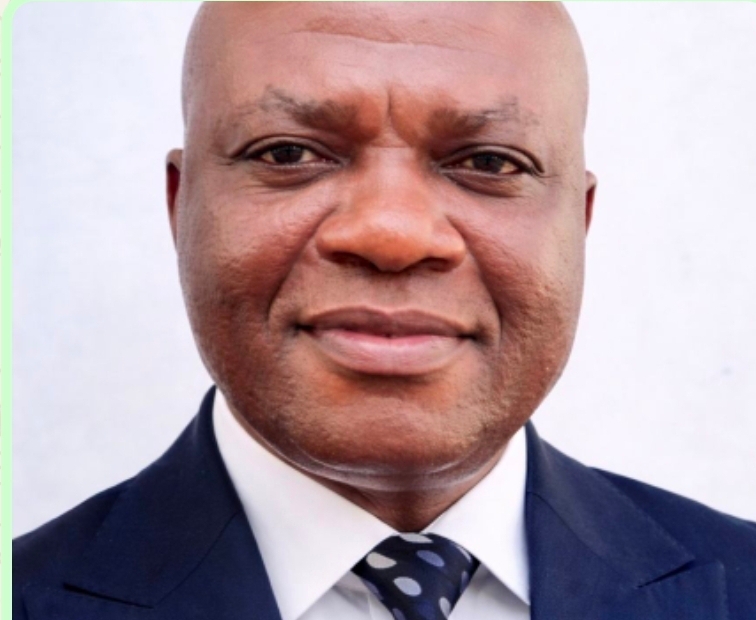

Famend fiscal coverage knowledgeable and taxation marketing consultant, Prince Chidi Nwafor, has asserted that Nigeria’s formidable objective of turning into a $1 trillion economic system was not solely doable however imminent, supplied the nation remained dedicated to present strategic tax reforms.
Talking at a current high-level {economic} evaluation in Abuja, Prince Nwafor who has over 20 years of expertise in {financial} engineering and {economic} advocacy, highlighted that the transition from a debt-reliant funds to a revenue-driven economic system was the “sovereign masterstroke” wanted to stabilise the naira and fund vital infrastructure.
Harping on the necessity for a shift from taxing seeds to nurturing harvests, Prince Nwafor, a number one voice in Nigeria’s fiscal house, emphasised that the continued reforms had been designed to remove the ‘deadweight’ of a number of taxation.
Based on Prince Nwafor, who has change into a trusted advisor for organisations and state actors searching for to navigate the complexities of contemporary African economies, the transfer to consolidate over 60 completely different taxes right into a streamlined, single-digit system is the final word “ease of doing enterprise” reward to Nigerian SMEs.
“For too lengthy, now we have taxed the ‘seed’ of our small companies, stopping them from rising. The brand new fiscal roadmap he has change into a trusted advisor for organisations and state actors searching for to navigate the complexities of contemporary African economies by the administration, which I’ve spent years advocating for, focuses on taxing the ‘harvest.’
“This protects the susceptible whereas making certain that the wealthiest sectors contribute their justifiable share to nationwide growth,” he acknowledged.
Whereas additional advocating for the digitalisation of the Nigeria Income Service (NRS) Prince Nwafor maintained that handbook tax assortment was the breeding floor for corruption.
By transferring to a blockchain-backed or absolutely digitalised portal, Nwafor argued that leakages can be blocked, and public belief shall be restored as residents see a direct correlation between tax compliance and visual tasks.
Blueprint experiences that the pillars of the Nwafor’s social doctrine contains: Abolition of ‘Nuisance’ Taxes: Eradicating road-side levies that stifle logistics; Incentivising Compliance: Providing tax credit to companies that put money into native infrastructure; the $1 Trillion Roadmap: Leveraging a broadened tax base to cut back Nigeria’s debt-to-GDP ratio.
He concluded by noting that because the nation navigates these important reforms, he would stay on the forefront, offering the mental and strategic framework to make sure that “Renewed Hope” interprets into “Renewed Income.”
Nwafor known as on all stakeholders to view taxation as a social contract, the place the federal government supplies safety and infrastructure in trade for civic contribution.