
Consultants Name For Pressing Motion To Increase Childhood Most cancers Survival Charges In Africa

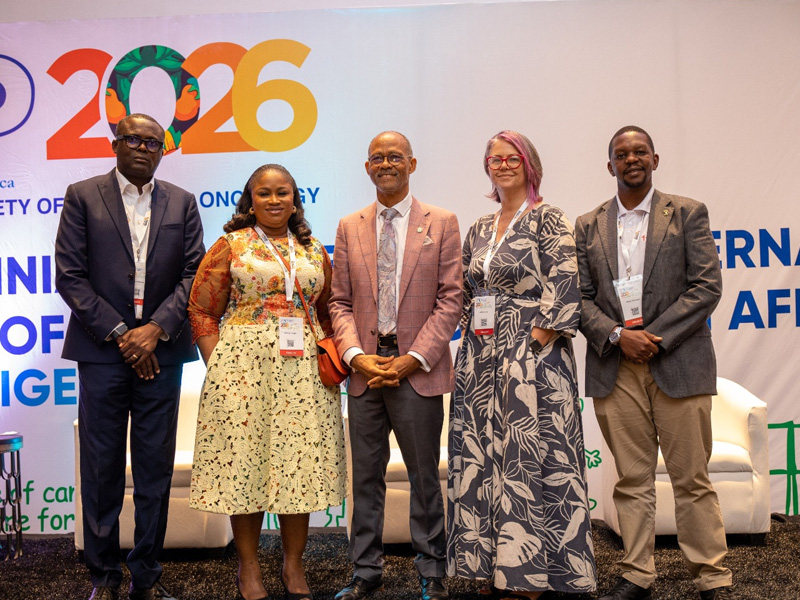
Pediatric most cancers specialists, researchers and policymakers from internationally have referred to as for pressing, coordinated motion to enhance childhood most cancers survival charges in Africa, stressing the necessity for adaptable options pushed by collaboration, innovation and analysis.
The decision was made on the not too long ago held sixteenth Biennial Congress of the Worldwide Society of Pediatric Oncology (SIOP) Africa, co-hosted by The Dorcas Most cancers Basis and the Nigerian Society of Pediatric Oncology in Lagos.
Contributors on the week-long convention examined how rising applied sciences, together with synthetic intelligence, may improve early prognosis, streamline knowledge administration, enhance remedy supply and strengthen monitoring of affected person outcomes throughout the continent.
Chair of the convention’s Scientific Committee and Founding father of The Dorcas Most cancers Basis, Adedayo Joseph, mentioned Africa continues to face vital disparities in childhood most cancers survival charges when in comparison with high-income international locations.
She famous that whereas survival charges exceed 90 per cent in developed international locations, they vary from 20 to 30 per cent in lots of low- and middle-income international locations, together with Nigeria.
“Africa nonetheless faces main challenges in childhood most cancers survival. However this convention has introduced collectively world and native scientists, clinicians, survivors, advocates, funders and policymakers, all centered on bettering outcomes for kids throughout the continent,” she mentioned.
Joseph, who additionally heads Pediatric Radiation Oncology on the Lagos College Educating Hospital, disclosed that new diagnostic applied sciences mentioned on the convention may considerably scale back prognosis time.
“We spoke to our companions from the US There’s a new know-how for prognosis, which they’ve accepted to onboard no less than 2,000 Nigerian kids to have entry to, which has shortened weeks into 48 hours. All of that’s the profit we’ve gotten inside the first 48 hours of this convention,” she added.
She additional revealed that Nigeria has joined the World Well being Organisation International Initiative for Childhood Most cancers, following the launch of a brand new Nationwide Most cancers Management Plan by the Federal Ministry of Well being, which supplies pediatric oncology elevated coverage consideration.
“Kids may be cured of most cancers if they’ve entry to high quality medicines, radiation and surgical procedure. Each youngster that’s saved signifies that they are going to then have 40 to 60 years of life given again to the group and the financial system,” Joseph said.
President of the Nigeria Society of Pediatric Oncology and Chairman of the convention’s Native Organising Committee, Adeseye Akinsete, mentioned the convention created an avenue to strengthen partnerships between authorities and world consultants.
In accordance with him, discussions centered on bettering entry to medicines, increasing care infrastructure and producing Africa-specific scientific knowledge to information remedy protocols.
“Pediatric oncology is gaining elevated visibility in Nigeria following current nationwide initiatives. This convention permits us to deepen collaboration and transfer the needle in bettering outcomes for kids,” Akinsete mentioned.
He added that consultants additionally explored the usage of synthetic intelligence and digital well being instruments to enhance prognosis, remedy supply and affected person monitoring.
Director for Sub-Saharan Africa at St. Jude Kids’s Analysis Hospital, Nickhill Bhakta, mentioned African international locations are starting to report measurable progress in treating childhood cancers resulting from rising world collaboration and coverage advocacy.
He referenced current publications in The Lancet, noting that childhood most cancers is more and more curable and manageable, however entry to remedy stays uneven worldwide.
“Saving a toddler means returning 40 to 60 years of life to society. It isn’t only a well being intervention; it’s an {economic} funding that the returns may be a number of instances the preliminary value of remedy,” Bhakta mentioned.
Additionally talking, a radiation oncologist on the College of Cape City, Jeannette Parkes, noticed that regardless of elevated world momentum for the reason that launch of the WHO International Initiative for Childhood Most cancers in 2018, Africa nonetheless lags behind different areas in funding.
“Since 2018, we’ve seen much more coordinated efforts, funding leverage, and engagement with governments to enhance childhood most cancers outcomes. However Africa nonetheless lags behind different areas,” she mentioned.
Parkes recognized restricted entry to important medicines and radiotherapy as main obstacles, noting that the excessive value of apparatus, infrastructure and upkeep continues to hinder progress.
“It’s not nearly putting in machines, you want correct amenities, servicing contracts and skilled personnel. With out that, even probably the most superior gear turns into unusable,” she defined.
She added that rising applied sciences, corresponding to synthetic intelligence, may assist bridge gaps in experience, significantly in radiotherapy, whereas stressing that addressing childhood most cancers requires a holistic strategy spanning prognosis, remedy, and long-term care.
Sunday Ehigiator
Times Nigeria