

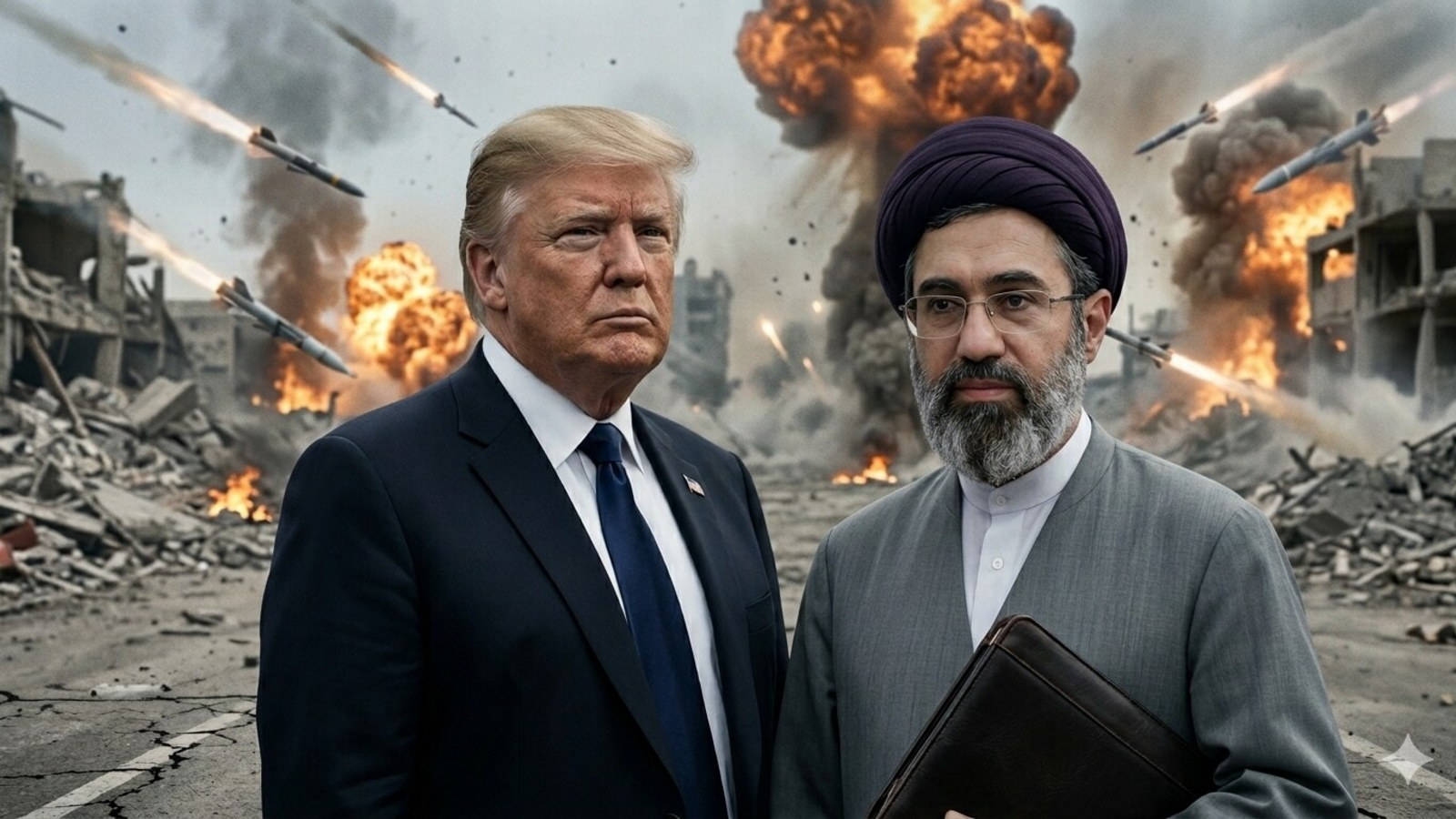
Iran has issued a fresh warning about deploying a new weapon that it claims its adversaries are “deeply afraid of” as the war with US drags on, with no breakthrough in the diplomatic peace efforts. The warning was delivered by Iran’s Navy Commander, Shahram Irani, who said the Islamic Republic would “very soon” confront its enemies with a capability located “right next to them”. Without revealing details, he added in a pointed remark: “I hope they won’t have a heart attack.”
His comments come at a time of heightened military rhetoric and continued hostilities in West Asia, with both US and Iran showing little willingness to compromise on key sticking points, particularly over Iran’s nuclear programme and control of critical maritime routes.
Deadlock over Hormuz and nuclear talks
At the centre of the standoff is the strategically vital Strait of Hormuz, a narrow shipping lane through which nearly a fifth of global crude oil supplies pass. Iran has imposed restrictions on the waterway amid the conflict, allowing only approved vessels to pass, while blocking those linked to its adversaries.
Tehran had proposed reopening the strait in exchange for the US lifting its naval blockade and postponing discussions on its nuclear programme. However, former US President Donald Trump rejected the offer, insisting that nuclear negotiations must be addressed immediately and not deferred.
Trump reportedly described the blockade as “more effective than bombing”, underlining Washington’s strategy of applying sustained economic and military pressure to force Iran into compliance on nuclear restrictions.
The disagreement over sequencing—whether to prioritise de-escalation measures or nuclear commitments—has stalled diplomatic engagement, raising fears of a prolonged confrontation.
Iran claims large-scale retaliation
Amid the impasse, Iran has projected strength on the battlefield. Irani claimed that Iranian forces have launched more than 100 waves of retaliatory strikes against US and Israeli targets since the latest phase of hostilities began on February 28. These strikes, he said, were directed at “sensitive” sites across a wide region in West Asia.
He also asserted that Iran carried out multiple missile operations against the US aircraft carrier USS Abraham Lincoln, temporarily preventing it from conducting air operations.
While these claims could not be independently verified, they reflect Tehran’s effort to signal deterrence and resilience in the face of US military pressure.
Irani dismissed suggestions that Iran could be quickly subdued, saying adversaries who believed the conflict would conclude within days had been proven wrong. “Such assumptions have become a joke in military universities,” he said.
Maritime confrontation intensifies
The naval dimension of the conflict has emerged as a major flashpoint. Iran has effectively tightened control over the Strait of Hormuz, a move with significant implications for global energy markets.
Irani accused US forces of expanding their military presence in the region, including deploying additional destroyers and missile systems after initial strikes failed to achieve their objectives. He also alleged that American forces had seized Iranian vessels, calling the actions “piracy” and accusing them of detaining crew members and their families.
Despite these tensions, he noted that some Iranian ships had managed to continue operations, indicating that the blockade is not entirely airtight.
Warning of further escalation
The Iranian commander warned that continued “American obstinacy and delusions” could provoke a stronger and potentially unconventional response. His remarks about a new weapon—though vague—appear aimed at amplifying uncertainty and deterring further US action.
The nature of the weapon remains unclear, but its description as being “right next to” enemy forces suggests it could involve advanced naval, missile, or asymmetric warfare capabilities already deployed in the region.
Broader geopolitical implications
The ongoing confrontation is already having ripple effects beyond the battlefield. Oil prices have surged to multi-year highs due to concerns over supply disruptions through the Strait of Hormuz, while global powers are increasingly wary of a wider regional conflict.
The situation also risks drawing in additional stakeholders, as countries dependent on Gulf energy supplies monitor developments closely.
Meanwhile, diplomatic efforts appear stalled, with neither Washington nor Tehran willing to concede ground. Iran continues to insist on easing immediate economic and military pressure, while the US maintains that curbing Iran’s nuclear ambitions remains non-negotiable.