

Washington:
Donald Trump and Xi Jinping are headed toward a summit next month with a shared desire to stabilise ties. That calm is being tested as both leaders rush to shore up strategic vulnerabilities over Iranian oil and AI.
The Trump administration has ramped up scrutiny of Beijing’s ties with Tehran in the past week, sanctioning one of China’s largest private refiners. Treasury Secretary Scott Bessent has warned Chinese banks could face secondary sanctions if China keeps propping up the clerical regime’s revenues, with his department on Tuesday again urging financial institutions to steer clear of Iranian activities.
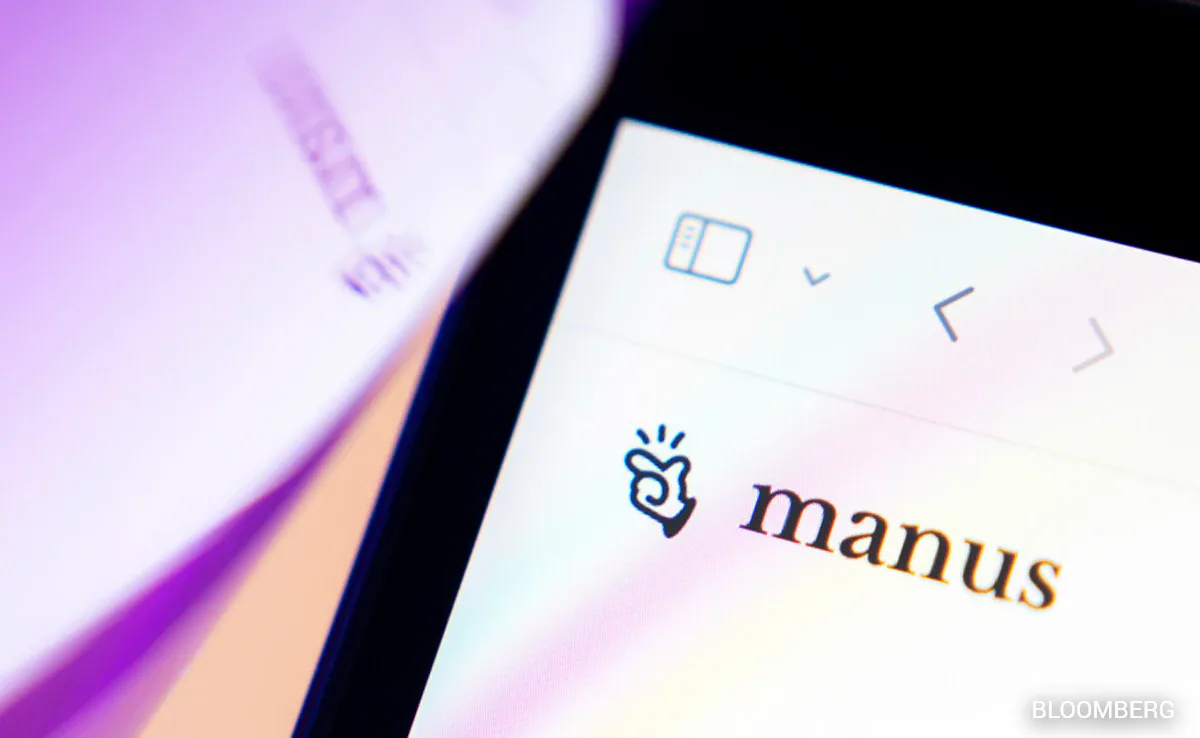
Adding to the tensions, Beijing on Monday blocked Meta Platforms Inc.’s $2 billion bid for AI startup Manus — its most dramatic move yet to keep cutting-edge technology inside its borders. China also announced new regulations this month to ensure its manufacturing dominance, targeting foreign companies for shifting supply chains out of the country or complying with US export controls.
“The US and China are like two tectonic plates pushing up against each other,” said Ben Kostrzewa, international trade lawyer at Hogan Lovells and a former US trade official. “The relationship can feel stable even as pressure between the two is mounting, but there are many different points at which this could burst.”
In the final weeks before the summit, Washington and Beijing are each using the negotiating window to armour their supply chains, lock down critical intellectual property and build leverage.
For Xi, showcasing strength in China’s tech sector reduces Trump’s ability to use access to advanced US chips as a bargaining tool. But the US blockade of the Persian Gulf is also creating a pain point for Beijing, intentional or not, as China gets more liquefied natural gas through Hormuz than any other country and relies on the Middle East for about 40 per cent of its oil imports.
The Republican leader, meanwhile, is heading into the summit seemingly unable to end the war in Iran, a situation Germany’s leader said had “humiliated” the US. Choking Iran from Chinese oil customers — who buy about 90 per cent of its exports — could help pressure the Islamic Republic to the negotiating table.
The White House declined to comment on potential sanctions on Chinese banks. China’s Foreign Ministry has urged the US to “stop willfully slapping sanctions and using long-arm jurisdiction.”
While the jockeying on both sides is raising friction, there’s no sign so far the summit will be delayed for a second time, said Wu Xinbo, director at Fudan University’s Center for American Studies in Shanghai.
“We are not happy with some of the things going on, but that doesn’t mean that we think that is reason for postponing the visit,” said Wu, who previously advised the Chinese Foreign Ministry. Trump’s failure to address China’s core concerns “in a satisfactory way” would be more likely to disrupt plans, he added.
“First and foremost, that means Taiwan,” said Wu, singling out US arms sales to the self-governing democracy claimed by Beijing as a key issue.
Last week, Taiwan’s Deputy Foreign Ministry Francois Wu said the island was worried about being put “on the menu” at the meeting next month. Taiwan is currently trying to pass a special military budget that would allow it to buy more weapons from Washington, something Xi has warned Trump to handle with “utmost caution.”
Tech Race
When Xi met with Joe Biden at a leaders’ summit in Peru in 2024, both men affirmed the need to enhance international cooperation on artificial intelligence. While the global race for frontier technologies will likely be on the agenda next month, it seems competition will color those talks as much as collaboration.
Underscoring that message, China’s decision-making Politburo repeated Xi’s calls for technological self-reliance at its April huddle, according to a Tuesday readout, calling for control of supply chains and full implementation of a plan to aggressively adopt AI.
China’s move to block the Manus deal showed that Beijing had woken up to the fact that China is beginning to generate startups and innovations that other countries want to acquire, said Kendra Schaefer, partner and director of tech policy research at Trivium China.
“Beijing has spent the last several decades refactoring its innovation ecosystem to cultivate innovative startups — if that long-term investment simply goes towards benefiting a strategic rival, that is a net loss for China,” she said.
China has defended its decision over Manus, saying on Tuesday it “reviews foreign investment and makes relevant decisions in accordance with laws and regulations.”
White House spokesman Kush Desai said the Chinese move against Meta is “consistent with longstanding Chinese government interference in normal business transactions” and vowed to defend US tech companies “against undue foreign interference of any sort.”
There is also pressure coming from Capitol Hill. A bipartisan push to close loopholes allowing powerful US technology to flow to China is gaining momentum in Congress, driven in part by unease over Trump’s decision to allow sales of advanced chips to China — a move made over the objections of more hawkish advisers.
The MATCH Act aims to bar Chinese chipmakers from accessing advanced semiconductor manufacturing equipment, including from allied partners. Unlike executive actions, it would shift control over export decisions from the White House to Congress — effectively constraining what Trump could offer Xi at the negotiating table.
The bill, if enacted, is likely to draw fierce retaliation from Beijing, which has poured tremendous resources into developing its homegrown high-end semiconductors.
Last week, Chinese AI Startup DeepSeek unveiled its much-anticipated V4 model that runs on Huawei Technologies Co.’s most advanced chips, a development touted by state media as a strategic shift toward deeper integration with China’s domestic chip ecosystem.
Chinese officials have expressed concerns over recent US moves.
“What the US has been doing with regard to China may not be very helpful for the sound development of the China-US relationship,” said Chen Xu, a senior Chinese diplomat. Speaking at a press event in Beijing on Monday, he cited what he described as US interference in China’s internal affairs, harming of China’s interests, and unilateral sanctions against Chinese enterprises.
However, the Trump administration has signalled that steadying ties will not come at the expense of its economic agenda, including efforts to address trade imbalances. Speaking at a White House briefing on April 15, Bessent struck a positive but firm tone regarding the upcoming talks.
“I expect great stability in the relationship,” he said. “But that doesn’t mean that our trade deficit can’t continue dropping.”
(This story has not been edited by NDTV staff and is auto-generated from a syndicated feed.)