

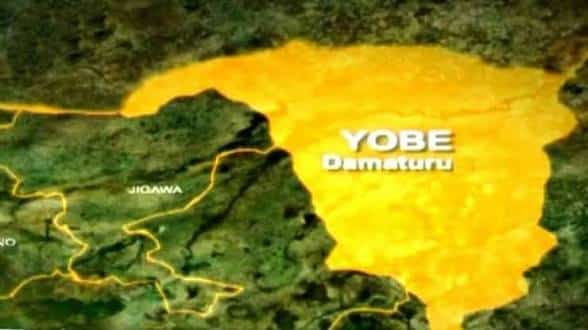
As political preparations for the 2027 gubernatorial election collect momentum in Yobe state, the competition amongst potential aspirants of the All Progressives Congress (APC) has intensified.
With the second time period of Governor Mai Mala Buni set to conclude in 2027, the state is inevitably approaching a transition part that can usher in new management. Nonetheless, Yobe’s political construction, formed by casual conventions and energy balancing, could considerably affect the succession course of.
Zoning Construction and Energy Rotation
Yobe state is politically divided into three senatorial districts, generally known as Zones A, B, and C: Zone A – Yobe North, Zone B – Yobe South, and Zone C – Yobe East
Though not constitutionally binding, there exists an unwritten custom of rotating the governorship amongst these zones to make sure equity and inclusivity.
With Governor Buni hailing from Zone A, expectations are more and more tilting towards Zone B to supply the subsequent governor in 2027.
Rising Aspirants and Political Alignments
Key figures presently being talked about within the race embody: Senator Ibrahim Mohammed Bomai (Zone B), Engr. Abubakar D. Aliyu (Zone B), Senator Ahmed Lawan (Zone C), and Senator Musa Mustapha (Zone A)
Every of those aspirants brings various levels of political expertise, affect, and public notion into the unfolding contest.
Historic Context
Since 1999, energy in Yobe state has largely remained inside a dominant political bloc, contributing to the APC’s picture of stability and cohesion.
Nonetheless, there was a quick deviation in 2007 when the late Senator Mamman Ali from Zone B (Yobe South) grew to become governor however handed away lower than two years into workplace. His demise left what many think about an incomplete tenure for the zone.
Following this, Ibrahim Geidam assumed workplace and ruled from 2009 to 2019, after which he moved to the Senate and is presently serving as Minister of Police Affairs.
Assessing the Contenders
Senator Ahmed Lawan, former Senate President (2019–2023), stays a distinguished determine however is perceived by some analysts to have misplaced political momentum following his unsuccessful presidential bid in 2023.
Engr. Abubakar D. Aliyu, who served as deputy governor for a decade and later held ministerial positions in Works and Housing in addition to Energy, faces criticism from some quarters concerning the tangible impression of his years in public workplace.
Senator Musa Mustapha, representing Yobe East, additionally enters the equation with political backing and private ties inside the established energy construction.
The Rising Profile of Senator Ibrahim Bomai
Amid the shifting political dynamics, Senator Ibrahim Mohammed Bomai of Zone B is more and more seen as a robust contender, significantly amongst grassroots supporters.
His political attraction is essentially anchored on: Humanitarian interventions focusing on widows, orphans, and weak {groups}; Girls empowerment programmes, together with money assist schemes benefiting over 4,000 girls throughout Fika, Fune, Nangere, and Potiskum; Academic assist, with hundreds of native scholarships and worldwide alternatives, together with sending 51 college students overseas in 2025; Infrastructure growth, similar to rural and concrete roads, solar-powered boreholes, avenue lighting, and healthcare initiatives
Observers observe that many of those interventions have been carried out with out overt political circumstances, reflecting a needs-based method reasonably than transactional politics.
The Argument for Zone B
Advocates of energy rotation argue that equity calls for giving Zone B the chance to finish the interrupted tenure of the late Mamman Ali.
This sentiment is gaining traction inside political circles, particularly amongst those that prioritize fairness and steadiness in Yobe’s power-sharing association.
Trying Forward to 2027
Because the countdown to 2027 continues, the APC in Yobe state faces the fragile job of managing inside pursuits, zoning expectations, and electoral viability.
Whereas shifting alliances and political calculations will form the end result, the ultimate resolution in the end rests with occasion delegates through the primaries—and the citizens within the common election.
Conclusion
Yobe state stands at a essential political crossroads. The following governor might want to mix administrative competence, political inclusiveness, and a real dedication to growth.
Among the many rising contenders, Senator Ibrahim Mohammed Bomai is being positioned by supporters as a candidate whose expertise, philanthropy, and governance file align with these expectations.
Nonetheless, the evolving political panorama implies that no final result is predetermined. The dynamics of zoning, occasion unity, and voter choice will in the end decide who emerges as Yobe’s subsequent governor in 2027.