

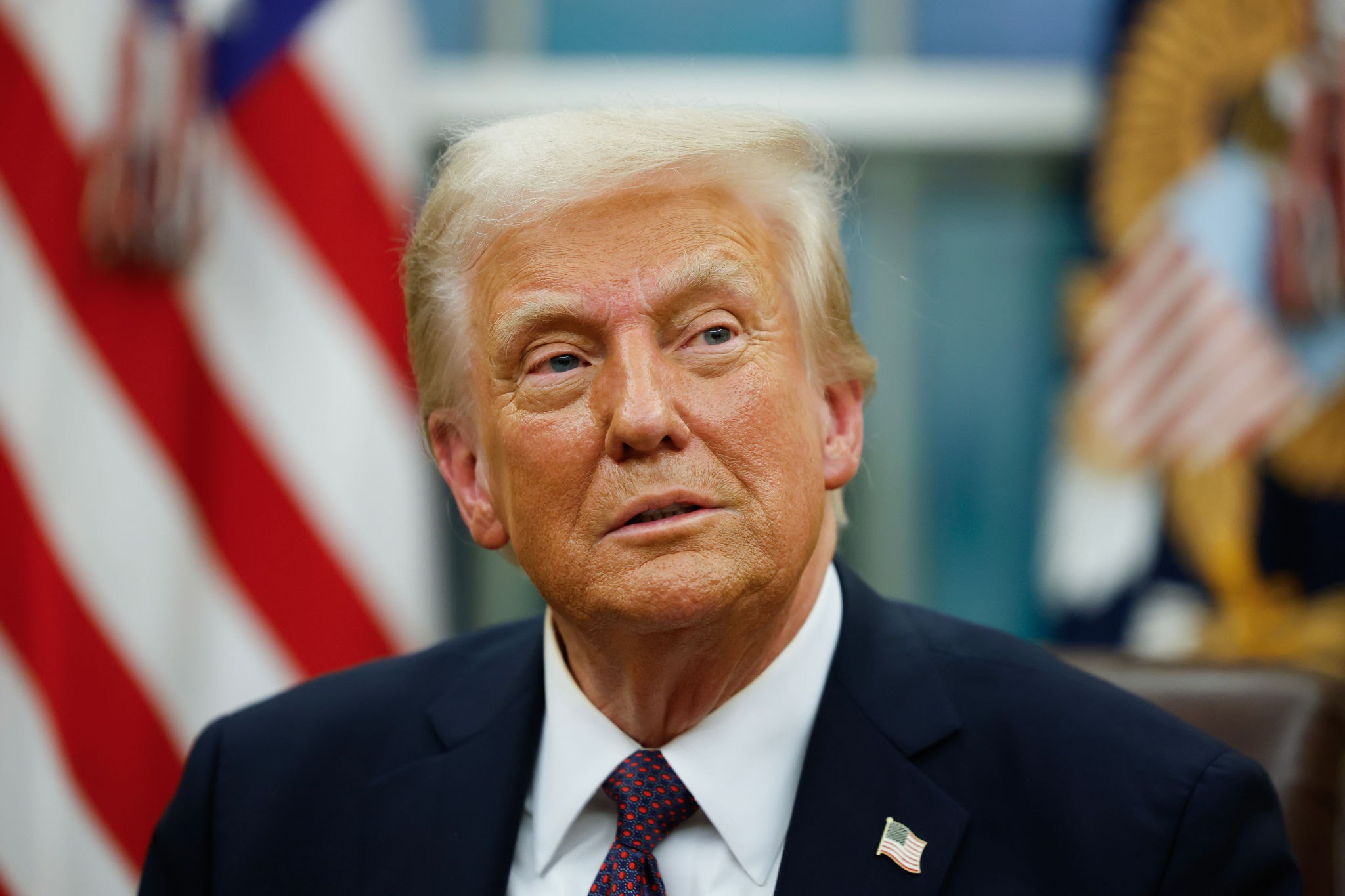
The United States has announced a fresh round of tariffs as President Donald Trump presses ahead with his signature trade policy, with the measures expected to take effect next year following an eight-month investigation into excess manufacturing capacity.
The new import duties will affect some of America’s biggest trading partners, including China, the European Union and 12 other jurisdictions.
Other affected economies include Singapore, Switzerland, Indonesia, Malaysia, Cambodia, Thailand, South Korea, Vietnam, Taiwan, Bangladesh, Japan and India.
The move follows an investigation launched by the White House in March into the trade practices of several countries, after the US Supreme Court ruled that Trump’s previously announced Liberation Day tariffs were illegal.
China faces the highest proposed rate of up to 40 per cent, followed by Vietnam at up to 35 per cent, while other affected trading partners face rates of either 20 or 25 per cent.
The United States Trade Representative, Jamieson Greer, said on Wednesday that the latest tariffs would “level the playing field for American workers and chart a new, more sustainable course for the world economy”.
He accused several of America’s trading partners of adopting industrial policies over the decades that involved “targeting manufacturing, wage and labor suppression” as well as “other market distorting practices that tilt the trade balance in their favor while eroding America’s manufacturing base”.
However, economists have warned that tariffs could fuel inflation and increase consumer prices if businesses pass on the higher costs.
Trump has repeatedly threatened or imposed tariffs during his second term, arguing that the policy would boost domestic manufacturing and create jobs.
Despite a poor performance by the Republican Party in the midterm elections, the president has continued to pursue his flagship trade policy.
Trump is also seeking to reduce the US trade deficit, which represents the difference between the value of goods the country imports and those it exports.
The latest announcement is likely to heighten tensions between the United States and China, the world’s two largest economies, which remain locked in a trade dispute and competition over artificial intelligence.
The two countries have also been engaged in a tit-for-tat tariff war, which is currently on hold.
Despite last week’s meeting between Trump and Chinese President Xi Jinping, neither side announced an agreement on the trade truce, which is due to expire on January 10.
Meanwhile, the European Commission has rejected the new US tariffs, saying it would examine Washington’s justification for the measures. It maintained that tariffs should remain within the 15 per cent rate previously agreed.