

Terrorism: FG Records 2,000 Trials, Over 1,000 Convictions in Two Years
The Federal Government has recorded more than 1,000 convictions from over 2,000 terrorism-related trials in the last two years as part of efforts to strengthen accountability and dismantle terrorist networks across the country.
President Bola Tinubu disclosed this on Monday at the 2026 Chief of Defence Intelligence (CDI) Annual Conference in Abuja.
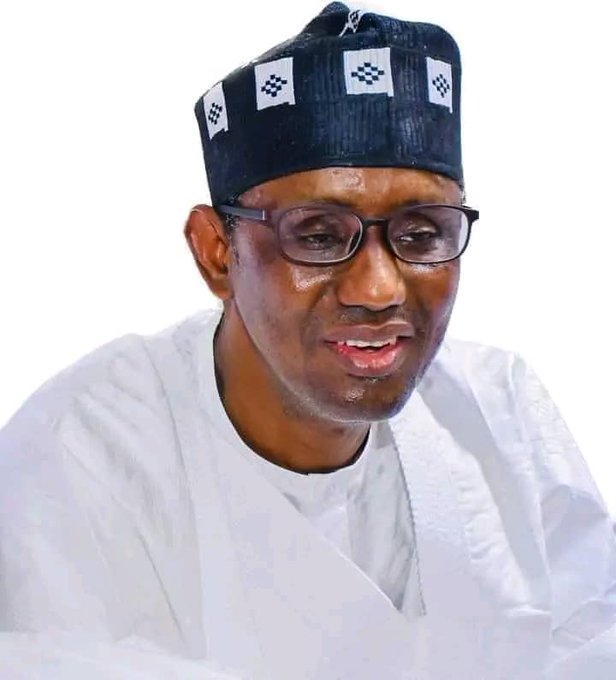
Represented by the National Security Adviser, Mallam Nuhu Ribadu, the President said the figures reflected sustained efforts by the government to ensure that perpetrators of terrorism were brought to justice.
Tinubu also revealed that four of the eight identified senior terrorist leaders had been killed or arrested through sustained and coordinated security operations.
He said the successes demonstrated the growing capacity of Nigeria’s security forces to dismantle terrorist leadership structures, disrupt their networks and restrict their operational freedom.
The President urged security agencies to consolidate on the gains by sustaining pressure on terrorists and criminal networks, protecting vulnerable communities and strengthening intelligence operations, particularly in the North-Central region.
He spoke against the backdrop of evolving security threats, including terrorism, banditry, kidnapping, cybercrime and transnational organised crime, which he said had become increasingly interconnected and technology-driven.
Tinubu reaffirmed his administration’s commitment to strengthening the country’s intelligence architecture through technological innovation, strategic partnerships and improved collaboration among security agencies.
He identified artificial intelligence, machine learning, cyber capabilities and unmanned systems as essential tools for detecting threats, mapping criminal networks and generating early-warning intelligence.
However, he cautioned that information generated through artificial intelligence must be properly validated and subjected to accountable human judgement, while data protection and cybersecurity must remain central to intelligence operations.
The President also called for stronger cooperation among the Armed Forces, Defence Intelligence, Department of State Services, National Intelligence Agency, Nigeria Police Force and Nigeria Security and Civil Defence Corps.
He disclosed that Nigeria was strengthening security partnerships with the United States, France, the United Kingdom, China, the United Arab Emirates, Türkiye and neighbouring African countries, particularly in intelligence sharing, training and technological cooperation.
As part of the proparticipantsposed reforms, Tinubu said he had directed the Special Adviser on Homeland Security, Major General A. A. Tarfa, to coordinate the development of a comprehensive national threat assessment and a five-year rolling strategic defence operations plan.
He urged at the conference to translate their deliberations into clear responsibilities, timelines and measurable outcomes, stressing that the ultimate measure of success should be safer communities.
In his goodwill message, the Minister of Defence, General Christopher Gwabin Musa (retd.), called for increased investment in indigenous technical expertise and stronger partnerships with research institutions and technology companies.
Musa said Nigeria needed to develop local technological capabilities to strengthen operational self-reliance and improve the effectiveness of intelligence-driven military operations.
Earlier, the Chief of Defence Intelligence, Lieutenant General Emmanuel Undiandeye, described the annual conference as an important platform for strengthening intelligence cooperation and developing innovative responses to Nigeria’s security challenges.
The 2026 conference, held in Abuja, was themed, “Optimizing Intelligence through Technological Innovations and Strategic Partnerships in a Complex Security Environment.”
By TimesNG