

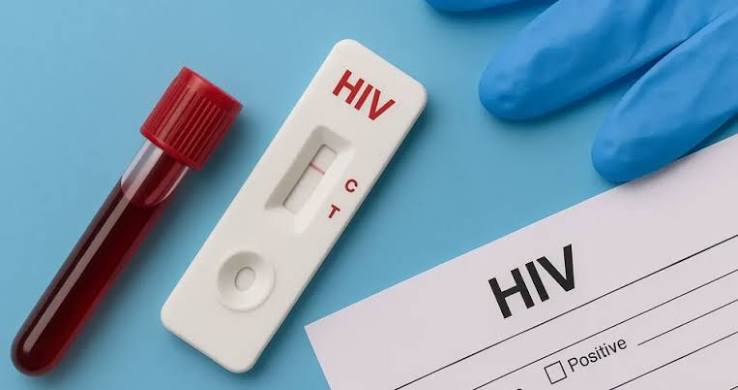
(HIV and AIDS. Photo Credit: Healthday)
Around 64,000 people in Nigeria are still catching HIV every year, according to a warning from the United Nations HIV agency (UNAIDS).
To stop AIDS from being a major public health threat by 2030, that number needs to drop to under 5,000 new cases a year.
UNAIDS Country Director Tina Bunto said this at a press briefing organised by the National Agency for the Control of AIDS (NACA) ahead of World AIDS Day 2026.
She said Nigeria has made real progress on treatment and care, but gaps in prevention, testing, access to new technology and stopping mother to child transmission threaten the goal.
She said the country must step up prevention urgently to reverse the trend.
Bunto said access must mean more than having services available.
People must be able to afford them, reach them and use them safely without discrimination.
She listed uneven service coverage, shrinking outside funding, stigma and unequal access to new technology as major problems.
Bunto also warned that many Nigerians still do not know their HIV status, which delays treatment and prevention.
Only 61 per cent of HIV positive pregnant women are being reached with the care they need, and the mother to child transmission rate stands at 20 per cent.
She said Nigeria must close the gap in antenatal testing and treatment, noting that some African countries have already declared an end to transmission from mother to child.
She pointed to community based services in Mararaba, where frontline workers offer counselling, testing, treatment and antenatal care, as a good model.
NACA Director General Dr Temitope Ilori said Nigeria is making good progress on the UNAIDS 95-95-95 targets.
He said 80 per cent of people living with HIV know their status, 98 per cent of those diagnosed are on antiretroviral treatment, and 94 per cent of those on treatment have suppressed the virus.
The World Health Organisation’s Africa office says about 26.3 million people across Africa are living with HIV in 2026, and 21.7 million have access to life-saving treatment.
Regional Director Dr Mohamed Janabi urged governments to keep investing in prevention, testing, treatment and care to meet the 2030 goal.
This year’s World AIDS Day falls on December 1 under the theme “Ending AIDS Starts with Access: Equity, Ownership, and Sustainability.”