

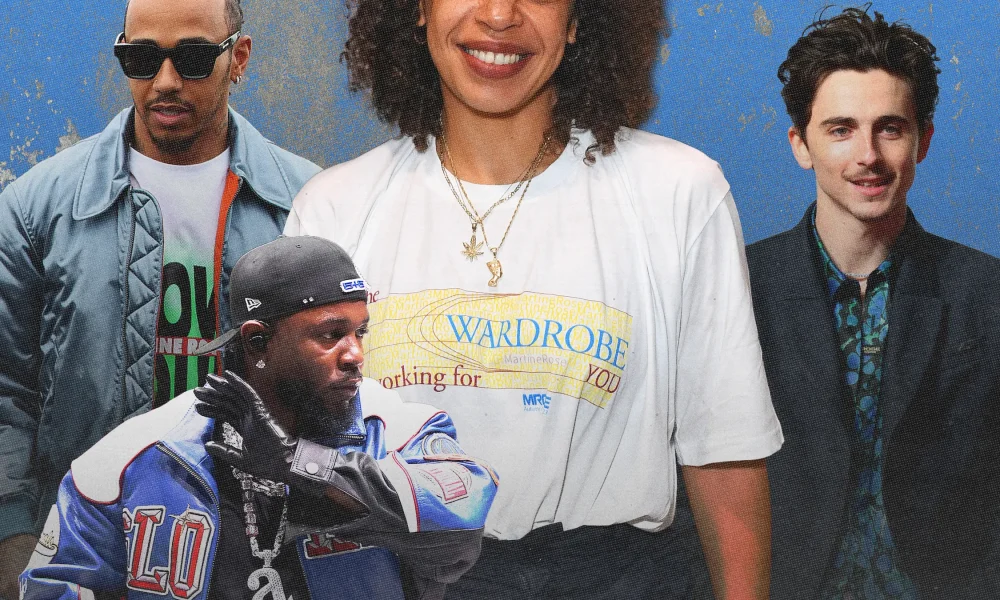
By Ogundele Eniola
The fashion industry is no stranger to change, but the appointment of British-Jamaican designer Martine Rose as the new creative director of Balenciaga may signal something more significant than another leadership reshuffle at a luxury fashion house. It is a statement about where fashion and particularly menswear is heading.
Rose was announced as Balenciaga’s creative director on November 6, succeeding Italian designer Pierpaolo Piccioli, who spent just over a year at the helm of the French luxury house. She is expected to assume the role on November 16. Her appointment comes as parent company Kering seeks to revive growth and reconnect some of its fashion houses with younger consumers.
For nearly two decades, Rose has built a reputation as one of menswear’s most unconventional voices. Since launching her eponymous label in 2007, the London-based designer has drawn inspiration from street culture, football, rave scenes and everyday British life.
Her clothes often challenge traditional ideas of what menswear should look like. Familiar items suits, football jerseys, tracksuits and loafers are reshaped, exaggerated and styled in unexpected ways.
That approach has earned her a devoted following among both fashion insiders and younger streetwear enthusiasts, while collaborations with brands including Nike and Supreme have helped extend her influence beyond the runway.
Rose’s appointment is particularly significant at a time when the boundaries surrounding men’s fashion are becoming increasingly fluid.
For generations, menswear was largely defined by rules. Men were expected to dress conservatively, with fashion often limited to subtle differences in tailoring, colour and accessories. Today, those boundaries are becoming less rigid.
A new generation of men is experimenting with oversized silhouettes, jewellery, unconventional tailoring and clothing traditionally considered outside the boundaries of mainstream masculinity.
Across social media and in everyday conversations, expressive fashion choices by men are often met with questions about masculinity. But designers like Rose represent a growing movement that sees fashion differently: not as a set of rules about what a man should wear, but as a language for identity and self-expression.
READ ALSO; GTCO fashion weekend: As fashion evolves, Nigerian men are rewriting the rules of style
Rose’s rise to one of the most influential positions in global fashion is also a victory for the culture that has long influenced luxury fashion from the outside.
Her work is rooted in subcultures rather than the traditional image of high fashion. She has drawn inspiration from the streets, clubs and communities that have historically been viewed as separate from the polished world of luxury.
Now, those influences are moving directly into the boardrooms and creative studios of some of fashion’s biggest houses.
Balenciaga itself has spent years navigating the relationship between luxury and street culture. Under former creative director Demna, the brand became known for its provocative designs, oversized silhouettes and viral streetwear-inspired pieces.
Rose, who previously worked with Balenciaga as a menswear consultant, appears well positioned to continue the house’s connection with youth culture while bringing her own distinctive perspective to the role.
Her appointment also comes at a time of rapid change within the luxury industry, where fashion houses are under pressure to remain culturally relevant while maintaining commercial success.
For Rose, the challenge will be turning her independent and unconventional design language into a vision capable of leading a global luxury brand. But for the wider fashion industry, her appointment raises a more interesting question.
If one of the world’s most influential fashion houses is placing its future in the hands of a designer who has spent her career challenging conventional menswear, perhaps the rules of men’s fashion are changing faster than society is willing to admit.
The future of menswear may no longer be about deciding what is masculine enough for men to wear. Instead, it may simply be about giving them more freedom to decide for themselves