
Kano Rescues 64 Children from Street Drug Abuse, Targets Rehabilitation of 10,000 Youths

Kano Rescues 64 Children from Street Drug Abuse, Targets Rehabilitation of 10,000 Youths
The Kano State Government has evacuated 64 underage children found abusing rubber solution and other substances from the streets, initiating rehabilitation, medical treatment and counselling to address the growing problem of substance abuse among minors.
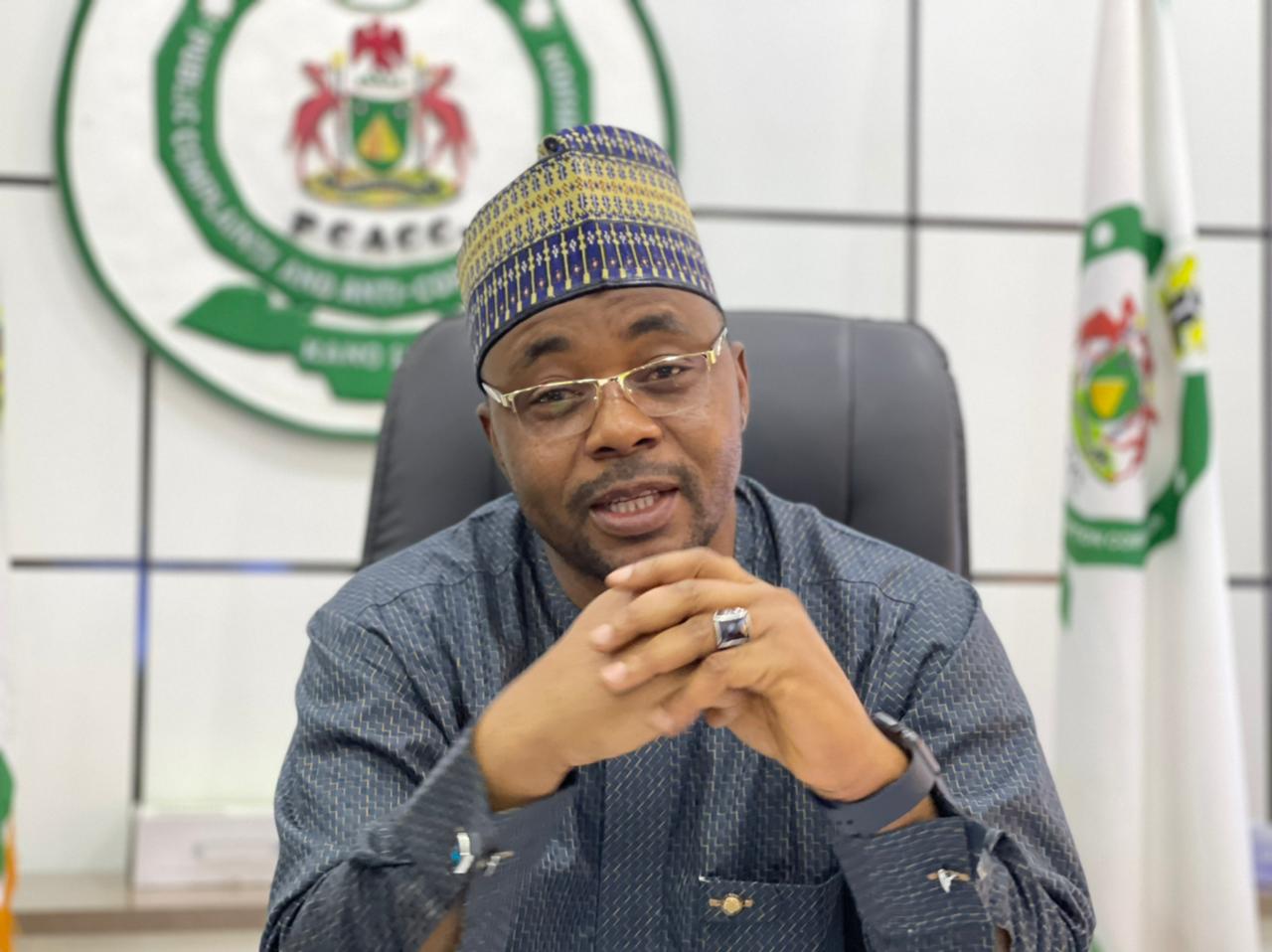
The Chairman of the Kano State Multi-Agency Taskforce on Drug Abuse and Illicit Trafficking, Muhuyi Magaji, disclosed this in an interview with journalist in Kano on Saturday.
Magaji said the children were currently receiving medical attention, guidance and counselling, adding that some had already been taken to hospitals for treatment.
He explained that before the intervention, many of the children were living and sleeping on the streets, particularly around Nasarawa and Sabon Gari areas of the state.
“We have succeeded in making them realise that they have potential. We have taken some of them to hospitals. I can boast to tell you that we are now good to go,” he said.
The task force chairman described substance abuse among underage children as a longstanding problem that had not received adequate attention, stressing that the state government was treating the situation as a serious social and public health concern.
He disclosed that investigations by the task force indicated that most of the affected children came from other states but said the government had decided to rehabilitate them to prevent further social challenges.
Magaji also revealed that two individuals were recently convicted and sentenced to approximately seven years in prison for allegedly encouraging children to inhale or ingest harmful substances, including rubber solution.
He said the government was exploring partnerships with relevant institutions, including the National Commission for Refugees, Migrants and Internally Displaced Persons, to establish a larger rehabilitation facility capable of accommodating more people struggling with substance abuse.
According to him, the existing rehabilitation centre in Kiru has reached full capacity, necessitating plans to establish additional facilities to expand treatment and rehabilitation services.
“Our target within one year is to rehabilitate 10,000 youths. We are devising means of making sure that we do the needful as appropriate,” he said.
On enforcement, Magaji cited Section 249 of the Kano State Penal Code as providing for a prison term of up to 10 years for relevant offences, while emphasising the need to hold those involved in the distribution and promotion of harmful substances accountable.
The task force chairman also attributed improvements in public safety to the agency’s enforcement activities, citing feedback from residents that indicated reductions in gang violence, drug-dealing activities and other security challenges.
He said public assessments suggested that gang-related violence had declined by about 67 per cent, while the open sale of illicit drugs had reduced by approximately 78 per cent.
Magaji further reported a 64 per cent reduction in violent clashes and an improvement of about 60 per cent in nighttime safety in previously troubled areas.
He commended residents for their cooperation and support, urging communities to sustain their involvement in the campaign against drug abuse, illicit trafficking and associated criminal activities.
However, he acknowledged that the task force was facing challenges, including resistance from individuals and interests expected to support the fight against substance abuse.
He declined to provide further details, saying the agency would disclose more information when the appropriate time comes.
Magaji reiterated the government’s commitment to strengthening enforcement, expanding rehabilitation services and addressing the social factors contributing to substance abuse among young people.
By TimesNG