

- The IGP says police officers who support political parties or candidates will face disciplinary action.
- The police chief says safeguards are being developed to prevent the proposed state police system from political interference.
- Commissioners of Police will hold regular meetings with journalists ahead of the 2027 elections.
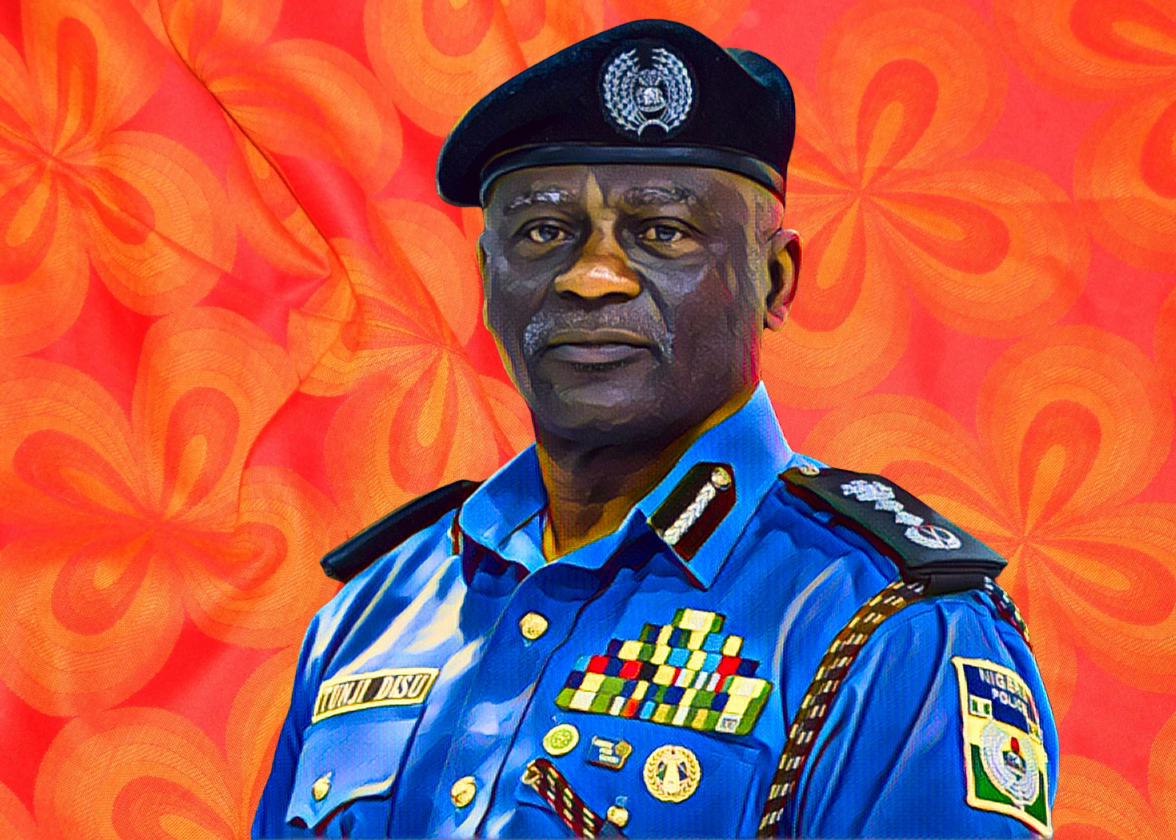
Inspector-General of Police Olatunji Dusu has assured Nigerians that the Nigeria Police Force will not become a political instrument ahead of the 2027 elections.
He said the force would uphold professionalism, neutrality and accountability in its dealings with political parties, candidates and the public. Speaking on Tuesday at the 2027 Media Development Conference in Abuja, Dusu said public trust, rather than the use of force, should guide policing. The Centre for Journalism Innovation and Development organised the conference at the Abuja Continental Hotel.
IGP warns officers against political interference
Dusu warned that police personnel who take sides or assist political parties and candidates would face disciplinary action under the force’s code of conduct. He said the police leadership would not tolerate partisan conduct, particularly as political activities intensify before the general elections. The assurance comes amid concerns about the conduct of security agencies during Nigeria’s electoral processes.
The police chief also addressed concerns about the alleged misuse of the Cybercrime Act against journalists. He said the force would not allow politically motivated individuals to use the police to oppress others. However, he cautioned that digital platforms could become channels for election interference through fabricated stories, manipulated videos, doctored audio and coordinated misinformation. According to him, such content could create tensions and trigger violence.
On the proposed state police system, Dusu said Nigerians should not assume that state governors would automatically control the structures for personal or political purposes. He explained that safeguards were being developed to prevent abuse, including provisions for federal intervention if circumstances required it. In addition, he said the National Assembly and other stakeholders were working on a framework suited to Nigeria’s circumstances, with standardised police training across the country.
Police plan closer engagement with journalists
Dusu said the force had organised two symposiums since he assumed office to examine cybercrime legislation and digital offences. He urged journalists and members of the public to understand the Cybercrime Act, adding that the police were training personnel assigned to its cybercrime units to respond to emerging digital threats. Still, he stressed that journalism was not a crime and described the media as an important partner in holding public institutions accountable.
He also called for better cooperation between journalists and police officers during sensitive investigations. Recalling his experience as commander of the Rapid Response Squad in Lagos, Dusu said premature reporting during an operation to rescue a kidnapped state accountant general had alerted the kidnappers’ associates and complicated the situation. He used the incident to explain why responsible reporting and communication matter during active investigations.
Nevertheless, Dusu said officers were receiving guidance on protecting journalists and respecting their right to cover events. He disclosed that Commissioners of Police had been directed to hold regular meetings with media organisations in their jurisdictions. The force also plans joint lectures and pre-election training sessions in Abuja and other states to familiarise journalists with police commands and improve election coverage.
Speaking on behalf of the CJID Board of Trustees, Chairman Umaru Pate welcomed the IGP’s assurances and called for stronger trust between the police, journalists and the public. He said dialogue and mutual understanding could reduce suspicion and strengthen accountability ahead of the polls.