

Health
MENTAL health experts have warned that Nigeria risks losing its younger generation to substance abuse and behavioural addictions, particularly underage gambling.
They gave the warning on Wednesday at the 2026 Annual General Meeting and Scientific Conference of the Association of Resident Doctors (ARD), Federal Neuro-Psychiatric Hospital, Yaba, Lagos.
The conference has the theme: “Nigeria’s Addiction Crisis: Are We Losing a Generation?” and sub-theme: “Betting Away the Future: The Threat of Underage Gambling Among Nigerian Youths”.
Dr Olugbenga Owoeye, Medical Director of the hospital, said a 2018 study put Nigeria’s drug abuse prevalence at 14.3 per cent, compared with the global average of 6.8 per cent.
He described gambling and betting as emerging concerns among young people seeking quick wealth, warning that addiction could have serious psychological, economic and social consequences.
Owoeye called for collective action involving government, healthcare professionals, the media and NGOs, saying that, “All hands must be on deck”.
The Chairman and Chief Executive Officer of the National Drug Law Enforcement Agency (NDLEA), Retired Brig.-Gen. Buba Marwa, urged resident doctors to strengthen research, early intervention and collaboration.
Marwa, represented by Mr Femi Babafemi, Director of Media and Advocacy, NDLEA, urged the association to generate evidence on emerging substances, users’ age profiles and associated mental health conditions.
“Your departments see the realities first-hand. The substances, the age profiles, the co-occurring disorders. That evidence will sharpen national policy,” he said.
He also called for addiction services to be integrated into primary healthcare and general hospitals, alongside improved screening, treatment referrals and prevention programmes in schools and communities.
Prof. Mashudat Bello-Mojeed, a Consultant Child and Adolescent psychiatrist, warned that young Nigerians were vulnerable to addiction because their brains were still developing.
Bello-Mojeed, also a speaker at the event, identified peer pressure, genetic factors, socioeconomic challenges and family influences as risk factors, noting that “the brain is still developing, not fully formed until at about the age of 24, 25”.
She called for early screening, education and timely intervention, urging parents to build trusting relationships with their children and advocating coordinated efforts by families, schools, healthcare institutions and government.
Earlier, Dr Temitope Okuwoga, President of the association, said the conference addressed increasing substance use and gambling-related problems among young people, warning that addiction threatened the country’s future.
Okuwoga noted that although addiction appeared more prevalent among males, women should not be overlooked, particularly regarding the misuse of pain-relieving drugs such as pentazocine.
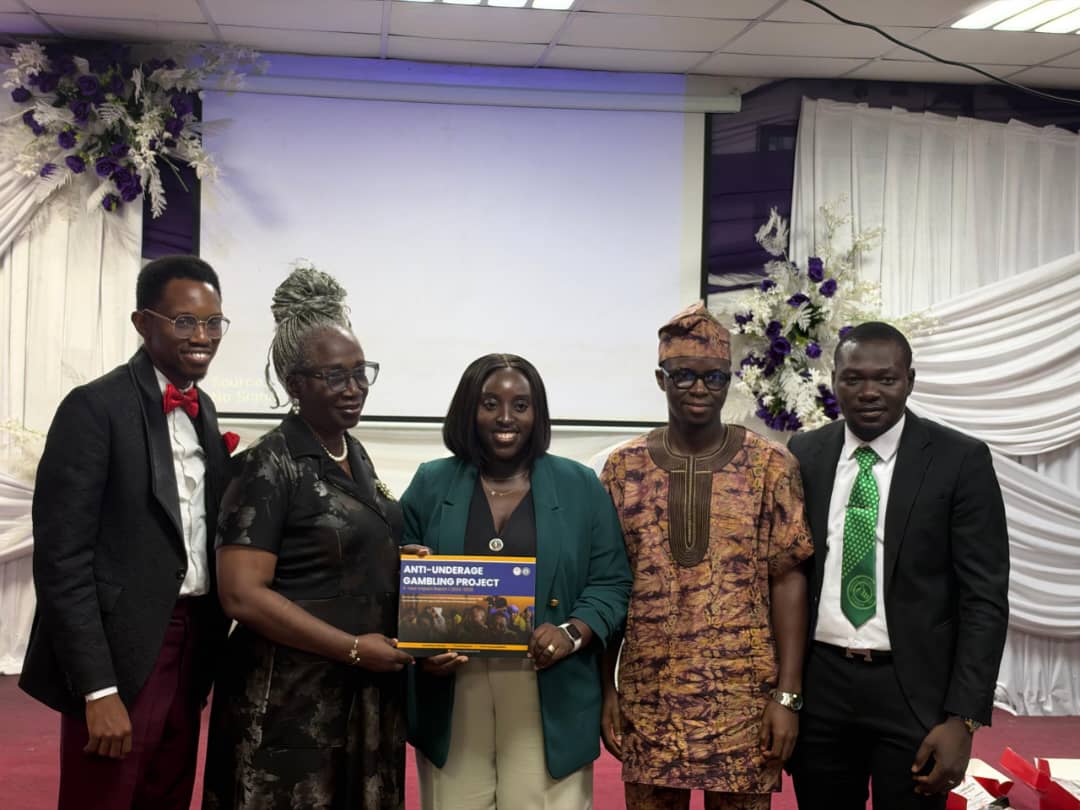
She disclosed that the association was implementing a three-year anti-underage gambling project with the Lagos State Lotteries and Gaming Authority to educate students on the dangers of gambling.
The event featured goodwill messages from organisations, including the Lagos State Lotteries and Gaming Authority and the Nigerian Medical Association (NMA), which reaffirmed their commitment to continued partnership.
It also featured a panel discussion where seasoned experts deliberated on addiction and proffered strategies to address the growing challenge. (NAN)
A.I
Tags: DR Olugbenga Owoeye