

BY SPECIAL CORRESPONDENT
The Africa Blue Economy Roundtable (ABER) has called for urgent reforms in waterway safety governance across Nigeria and Africa following the recent fatal boat mishap in Bayelsa.
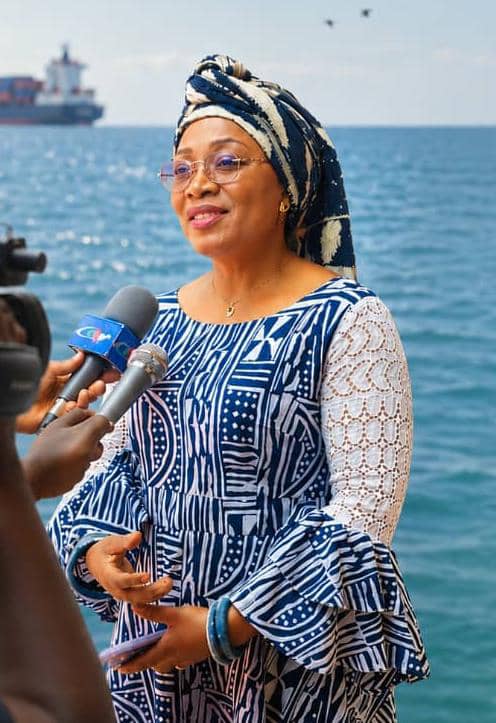
The call was made by the organisation’s First Vice Chairperson, Barr. Sophie De Sylvie Tiemagni, in a statement issued on Tuesday.
Djoufa, a maritime lawyer and Blue Economy strategist, described the incident as heartbreaking and urged authorities to address regulatory and institutional gaps responsible for preventable waterway accidents.
She extended condolences to the bereaved families, the Bayelsa Government and the Federal Government, while wishing survivors speedy physical and emotional recovery.
The ABER official identified overloading, absence of passenger manifests, failure to use life jackets, poorly maintained boats and weak operational controls as major safety concerns.
She said the problems reflected deeper institutional, regulatory and human capacity deficiencies requiring urgent intervention.
While acknowledging interventions proposed by President Bola Tinubu, Gov. Douye Diri and the Managing Director of the Niger Delta Basin Development Authority (NDBDA), Prince Ebitimi Amgbare, she called for a comprehensive safety framework.
She proposed eight measures, including regular enforcement patrols, mandatory vessel inspections, comprehensive boat registration and passenger tracking, as well as professional training for operators.
Others are sustained public awareness campaigns, stronger institutional coordination, risk mapping of dangerous waterways and independent safety audits.
She urged agencies, including NDBDA, NIWA, NIMASA, NEMA, SEMA and the Marine Police, to establish coordinated patrols, information-sharing mechanisms and emergency response protocols.
Tiemagni, who is also Chairperson of the Africa Blue Economy Forum, said modernising boats must go alongside strengthening regulatory institutions and operational standards.
“A modern boat without proper inspection, a trained operator, a safe navigational channel and effective enforcement can still become a death trap,” she said.
She stressed that the Blue Economy should prioritise human safety, environmental protection and responsible use of marine and inland waterway resources.
“There is no Blue Economy without clean and safe rivers,” she said, adding that sustainable maritime development required effective regulation, institutional accountability and professional capacity.
She urged governments and relevant agencies to turn the Bayelsa tragedy into a turning point for waterway safety.
She said authorities must move from condolences to commitment, fragmented interventions to coordinated action, and reactive responses to preventive governance.