
2027: Amupitan at Chatham House, London, says INEC will obey court ruling on Atiku’s candidacy

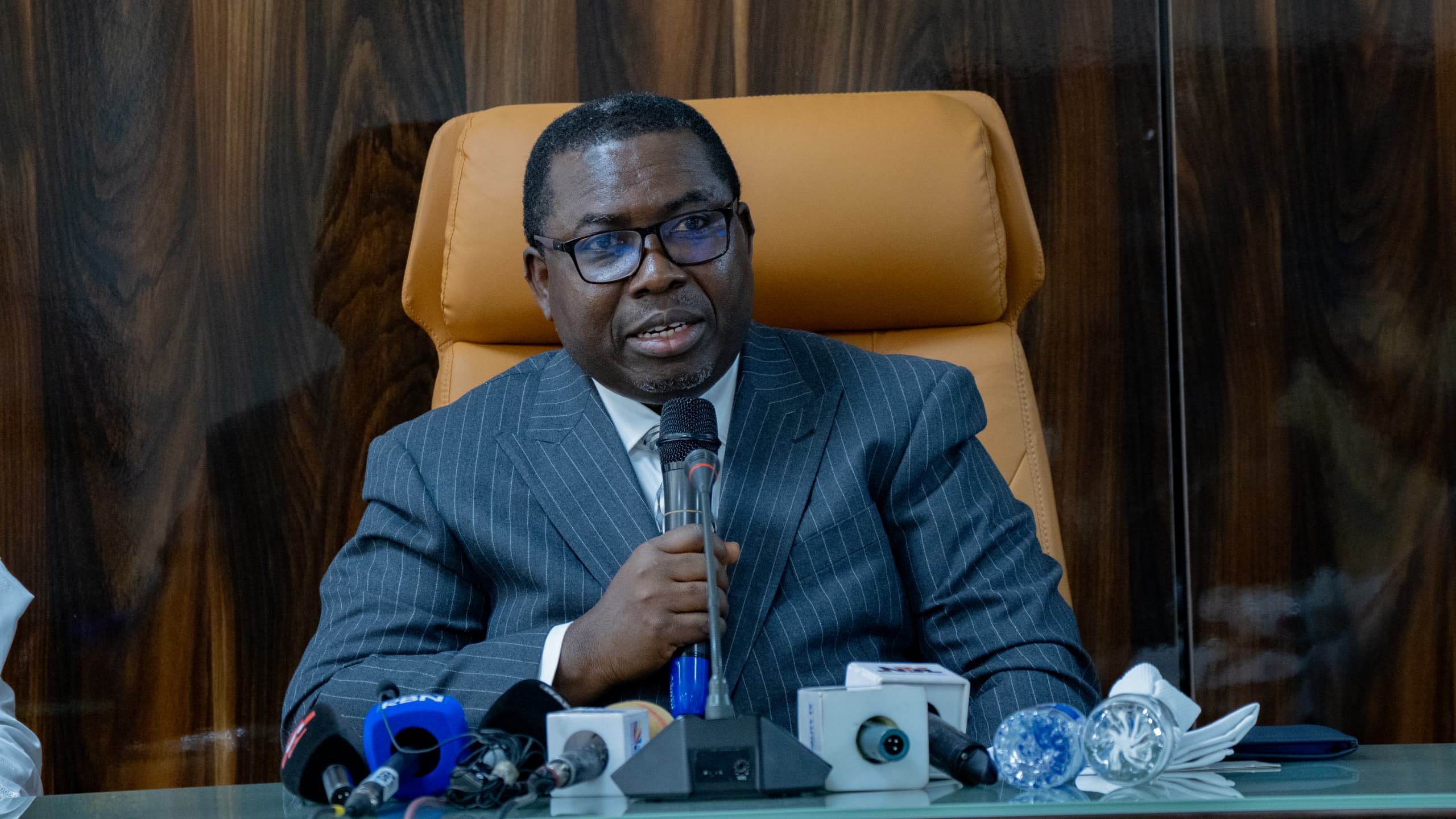
The Chairman of the Independent National Electoral Commission (INEC), Prof. Joash Amupitan, has affirmed that the commission will comply with any judicial ruling regarding former Vice President Atiku Abubakar’s eligibility to run for president in 2027 on the platform of the African Democratic Congress (ADC).
According to Amupitan, INEC is bound by the constitution to enforce court orders especially those handed down by the Supreme Court—irrespective of public sentiment.
He made these remarks on Thursday in London during a Chatham House dialogue co-hosted with the Kimpact Development Initiative under the theme, “Nigeria’s 2027 Elections: Democratic Trajectory and Regional Stability Beyond the Ballot.”
Responding to a question on whether Atiku could contest on the ADC platform if the court ruling nullifying the leadership of the faction led by former Senate President David Mark remained in force, Amupitan said: “If he eventually fails, well, I’m obligated under Section 285 of the Constitution of Nigeria to obey every court order, especially if it is from the Supreme Court.”
The INEC chairman said the commission had pushed for an accelerated hearing when the ADC leadership dispute emerged in April to avoid complications in preparations for the 2027 elections.
“When it happened in April, the position of the commission was that the matter should be resolved within three weeks,” he said.
He explained that INEC had complied with a court directive to suspend action and await the outcome of the case, which subsequently went on appeal.
Amupitan, however, lamented the growing number of election-related litigation, saying the commission had more than 300 cases pending against it, with the 2027 elections approaching.
“Some of those issues we have with court cases, over 300 cases hanging on the neck of INEC, and elections is just about 66 days away,” he said.
He disclosed that the commission had commenced procurement of sensitive election materials for the 2027 polls, urging reforms to ensure that pre-election disputes were resolved six months to one year before voting.
According to him, early resolution of such disputes would give INEC sufficient time to conclude its logistical arrangements.
Amupitan also acknowledged that the commission could face public criticism for implementing court decisions, despite being legally bound to obey them.
These remarks come against the backdrop of a prolonged leadership crisis within the ADC that has cast uncertainty over the party’s preparations for the 2027 elections.
On November 5, Justice Peter Lifu of the Federal High Court in Abuja nullified the ADC leadership headed by Mark, ruling that the process through which the former Senate President and other national officers emerged was unlawful.
The ruling stemmed from a lawsuit filed by former ADC Deputy National Chairman Nafiu Bala Gombe, who contested the emergence of Mark’s leadership following the resignation of former National Chairman Ralph Nwosu and other officials.
Consequently, the court invalidated all actions taken by the Mark-led executive, including the process that produced Atiku as the party’s 2027 presidential candidate.
It restrained INEC from recognising or acting on decisions taken at the party’s 99th National Executive Committee meeting held on July 27, 2025.
The crisis deepened following another ruling by the court rejecting a disputed resignation letter allegedly written by Gombe. The development further complicated the battle over the party’s leadership.
The ADC has rejected the judgment and vowed to challenge it at the Court of Appeal.
The party’s National Publicity Secretary, Bolaji Abdullahi, maintained that Gombe voluntarily resigned, insisting that the party had the original copy of the letter bearing his signature.
However, Justice Lifu ruled that the document did not constitute reliable evidence of Gombe’s voluntary resignation.
The legal battle has raised questions about the validity of the party’s leadership structure and the nominations made under the Mark-led executive ahead of the 2027 general elections.