

By Omoyeni Ojeifo
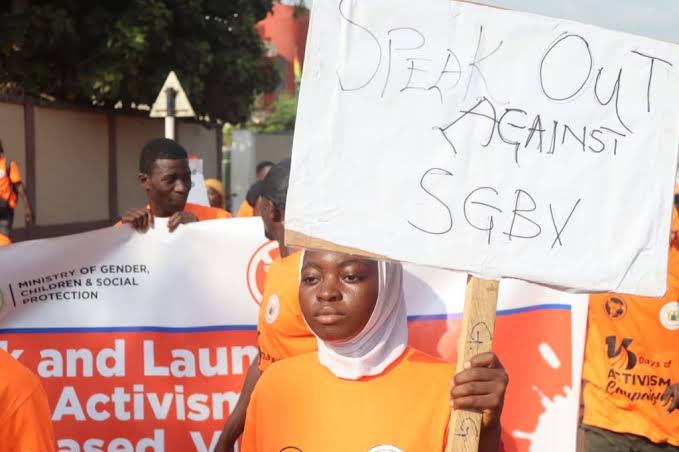
As the world prepares to mark the 2026 16 Days of Activism Against Gender-Based Violence on November 25, a coalition of civil society organisations has called for urgent action to end violence against women and girls, both offline and online.
The coalition, comprising organisations from Nigeria, the Democratic Republic of the Congo and South Sudan, warned that women and girls continued to face abuse in their homes, schools and communities, as well as digital spaces through cyberharassment, sextortion, online intimidation, doxxing, deepfakes and non-consensual sharing of intimate images.
The organisations, convened by Tabitha Empowerment Centre (TEC), made the call in a statement emailed to PerSecondNews on Tuesday, ahead of the campaign, warning that perpetrators continued to escape accountability while survivors faced barriers to accessing justice and protection.
In Nigeria, TEC identified gaps in the implementation of existing legal protections, inadequate survivor support services and police handling of domestic violence cases as major obstacles to justice.
It said survivors faced unaffordable medical forensic fees, under-resourced family courts, limited state-funded shelters and police responses that sometimes treated domestic violence as a private family matter.
Through its Dear TEC digital reporting platform and community rapid-response networks, the organisation said it had documented rising cases of technology-facilitated domestic coercion, doxxing and online blackmail targeting women and adolescent girls.
TEC called on Nigerian authorities to prohibit informal police mediation in felony domestic violence cases, waive forensic medical fees for survivors, strengthen gender-sensitive policing and increase funding for legal aid and emergency shelters.
According to Girls Education Access Initiative (GEAI), a member of the coalition in an interview with PerSecondNews, ending gender-based violence also required challenging harmful norms, stereotypes and social practices that normalised discrimination and abuse against women and girls.
It called for safer and more inclusive learning environments, stronger school and community reporting systems and sustained sensitisation involving families, traditional and religious leaders, schools and government.
In the Democratic Republic of the Congo, the coalition raised concerns over the growing normalisation of technology-facilitated gender-based violence, particularly against women journalists, human rights defenders, politicians and other public-facing women.
It called for specific legislation criminalising online gender-based violence, specialised procedures for handling digital evidence and greater accountability for technology platforms.
The coalition also highlighted the additional risks confronting women and girls affected by armed conflict, displacement and economic insecurity in eastern DR Congo, where survivors face sexual violence alongside online intimidation, sexual blackmail and non-consensual sharing of intimate images.
In South Sudan, findings from the country’s first empirical study on technology-facilitated gender-based violence among women and girls, launched in October 2026, highlighted the psychological consequences of online abuse.
The study, which covered seven states and one administrative area, found that 90.6 per cent of women surveyed reported mental health harm, while 72.9 per cent expressed fear of going online.
Among students and girls surveyed, 83.1 per cent reported emotional or mental health impacts, while 56.7 per cent avoided social media. For women with disabilities, 90 per cent reported anxiety or fear, while all respondents reported self-isolation.
Across the three countries, the coalition called on governments, courts and law enforcement agencies to close legal and enforcement gaps, train police and judicial officers on digital evidence and adopt survivor-centred approaches to handling cases.
It also demanded that technology platforms establish accessible reporting and content-removal mechanisms for non-consensual intimate images, sextortion and deepfakes, including content moderation in African languages.
The organisations further called for increased investment in girls’ education, digital literacy, online safety programmes and sustained funding for feminist and community-led organisations.
The coalition’s call is guided by the 2026 global theme, “UNiTE to End Violence Against Women and Girls: Ensure Justice, Protect Survivors, End Impunity.”