

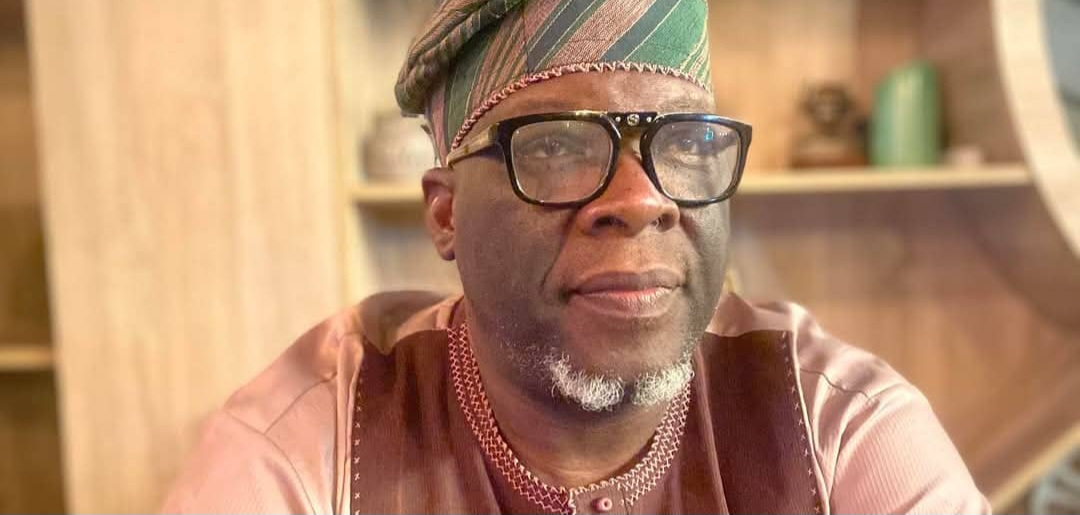
By George Ogunjimi Esq.
The recurring killing of Nigerians in South Africa has reached a point where diplomatic condolences and carefully worded statements are no longer enough. Nigeria must act.
The latest deaths have again exposed the vulnerability of Nigerians living, working and doing business in South Africa. Among the recent victims are Bishop Taiwo Michael Fakunle, who was killed at his residence in Kensington, Johannesburg, on September 4, 2026, and James Uchechukwu Nwankwo, who died in Cape Town the following day. The Nigerian Government has raised serious concerns about the circumstances surrounding Nwankwo’s death, including allegations of abusive interrogation by South African police. The circumstances surrounding Fakunle’s killing remain under investigation.
These are not isolated names on a list of statistics. They are human beings whose families, communities and country have been left to mourn them. More troubling is the wider pattern. Nigerian authorities have reported that at least 98 Nigerians have been killed in South Africa since 2022 in incidents involving mob violence, hate-related attacks and alleged extrajudicial killings.
The question Nigeria must now confront is simple:
How many more Nigerians must die before the Government moves from protest to effective action?
Nigeria Must Demand Accountability
Every suspicious death of a Nigerian in South Africa should be subjected to a transparent and independent investigation.
Where evidence establishes xenophobia, murder, torture, police brutality or unlawful killing, the perpetrators must be prosecuted. Where police officers are implicated, they must not be allowed to investigate themselves or hide behind their uniforms.
Nigeria should insist on regular updates on these cases and ensure that the families of victims have access to lawyers and the South African justice system.
A diplomatic protest that produces no investigation, prosecution or punishment ultimately becomes an annual ritual rather than a policy.
Establish a Permanent Nigeria–South Africa Protection Mechanism
Nigeria should urgently propose a permanent bilateral mechanism dedicated to the safety of Nigerians in South Africa.
Such a mechanism should include Nigerian and South African diplomatic officials, police authorities, human-rights institutions and representatives of Nigerian communities.
Its mandate should include **early warning, rapid response, investigation of attacks and protection of vulnerable communities**.
Nigeria must know where Nigerians are at risk before another body is carried home.
Use Diplomatic Leverage
Nigeria has considerable diplomatic and economic relations with South Africa and should use that relationship intelligently.
The recent decision of Nigeria’s National Assembly to suspend official parliamentary engagements with South Africa is an important signal. But diplomatic pressure should not end with symbolism.
Nigeria should establish clear benchmarks for South Africa:
* investigation of reported killings;
* prosecution of perpetrators;
* accountability for police misconduct;
* protection of Nigerian businesses and communities;
* action against organised xenophobic groups; and
* regular reporting on attacks against Nigerians.
Where these obligations are ignored, Nigeria should progressively escalate diplomatic pressure.
Take the Matter to the African Union
The killing of Africans by other Africans cannot be dismissed as an ordinary bilateral dispute.
Nigeria should place the issue firmly before the African Union and relevant African human-rights institutions.
Africa cannot simultaneously preach continental integration, free movement and African solidarity while allowing foreigners from other African countries to become targets of mob violence and xenophobia.
Nigeria should lead the demand for a stronger continental framework for protecting Africans living and working outside their countries of origin.
Protect Nigerians—But Do Not Protect Criminals
Nigeria must also be intellectually honest.
Where Nigerian nationals commit crimes in South Africa, they should face lawful investigation and prosecution. Nigeria should cooperate with legitimate South African efforts to combat organised crime.
But criminality cannot become a collective accusation against an entire nationality.
A Nigerian criminal should be prosecuted because he is a criminal—not because he is Nigerian.
Likewise, a Nigerian innocent of any crime should not be attacked because of his nationality.
The principle must be equality before the law.
Strengthen Consular Protection
Nigeria’s diplomatic missions must become more responsive to Nigerians facing danger.
There should be functioning emergency hotlines, rapid-response arrangements, legal assistance for victims and families, and an effective system for reporting attacks.
Where an area becomes a known hotspot for xenophobic violence, Nigerian diplomatic authorities should immediately engage South African security agencies and community leaders and, where necessary, facilitate voluntary evacuation.
The evacuation of Nigerians can save lives in an emergency, but it cannot become the permanent answer to xenophobia.
The Time for Rhetoric Is Over
Nigeria has protested before. Nigerian officials have expressed concern before. Nigerians have been evacuated before. Yet the killings continue.
That means something more fundamental is required.
The Nigerian Government must develop a national policy for the protection of Nigerians abroad, particularly in countries where there is a recurring pattern of violence.
Such a policy should combine diplomacy, intelligence, consular assistance, legal intervention, regional cooperation and, where necessary, economic and diplomatic consequences.
Conclusion
The deaths of Bishop Taiwo Michael Fakunle and James Uchechukwu Nwankwo should not become merely two more entries in the history of Nigerians killed in South Africa.
They should become a turning point.
Nigeria must send an unmistakable message to the South African Government: the protection of Nigerians is not a favour; it is a matter of human rights, justice and state responsibility.
South Africa has the right to enforce its laws and protect its citizens. Nigeria has an equal right to demand that its citizens are treated with dignity and protected from murder, xenophobia and unlawful state violence.
The Nigerian Government must therefore move from condemnation to consequences, from reaction to prevention, and from diplomatic rhetoric to measurable action.
The lives of Nigerians abroad must matter to Nigeria.
A passport should not become a death sentence.
Ogunjimi Esq
[email protected]
Head, Legal Affairs, Renewed Hope Ambassadors Diaspora