

By Omoyeni Ojeifo
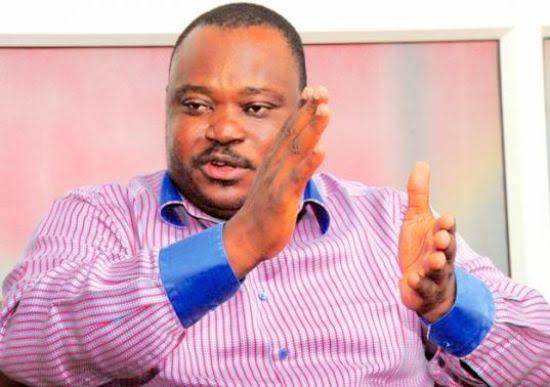
Nigeria is working with the United Nations, UN, and the Economic Community of West African States (ECOWAS) to strengthen border security and secure the country’s exit from the “country of particular concern” status, Nigeria’s Permanent Representative to the UN, Amb. Jimoh Ibrahim, has disclosed.
Ibrahim spoke on Channels TV’s Politics Today, monitored by PerSecondNews on Tuesday evening, while also defending President Bola Tinubu’s absence from the 81st United Nations General Assembly, UNGA, and highlighting Nigeria’s growing diplomatic influence at the world body.
He linked insecurity in parts of Nigeria to the porosity of the country’s borders, stressing that stronger border controls were necessary before some diplomatic and visa-related issues could be resolved.
“Our first priority now is to come out of country of peculiar concern. We are working on that, and we are getting the UN support to get out of country of peculiar concern,” he said.
“After that is the visa B1 B2 to be returned, but this cannot be returned unless we maintain border stability. So the reason why UN took us off the B1 B2 visa is because our border is porous.”
According to him, Nigeria’s open-border arrangements under ECOWAS had created vulnerabilities that were not anticipated when the regional free movement policy was established.
“One of the crises you mentioned in those areas in Nigeria is infiltrated from our external forces. So we need to get our borders clear,” he stated.
“We need to ensure we have almost special force on border. So the United Nations peacekeeping will work with Nigeria extensively on two things. One, maintenance of border security, stability. If they need any support, financial material, UN will provide that,” Ibrahim stressed.
He also urged Nigeria to take greater advantage of UN peacekeeping operations, saying the deployment of Nigerian police officers could provide both international experience and financial resources for the country’s security architecture.
On the controversy over Tinubu’s absence from the General Assembly, Ibrahim rejected claims that the President breached the Constitution, distinguishing between a working leave and an absolute leave.
“The president hasn’t committed any offence. A working leave is completely different from absolute leave. If you understand that distinction, what are you worried about? He is not sick.
“He didn’t go for operation. He said I’m working leave. And why he was there, you have empirical evidence to show that he was attending to matters of national priority,” he emphasized.
Ibrahim also defended Nigeria’s decision not to have Tinubu personally deliver the national address, explaining that the President’s 15-minute speaking slot had to be considered against the composition of the General Assembly speaking list.
“The speaking list is 60% Minister of Foreign Affairs. So, if you bought the plane to come and talk to 60% Foreign Affairs Ministers, then you compromise your sovereignty a bit. So, we have to give appropriate advice beyond his being on leave, and he had to also attend to state matters of importance,”he stressed.
The envoy dismissed suggestions that Nigeria lost diplomatic visibility because of Tinubu’s absence, pointing to the country’s position in the General Assembly chamber and the extensive engagements undertaken by its delegation.
“Did Donald Trump sit on his seat, the seat that was provided for him? Didn’t sit there. American seat was 27 seats far away from Nigeria. He didn’t sit there. He went and he came to deliver a lecture to the General Assembly, and he left from there.”he noted.
“Nigeria was number six seat in the front. We are in the front. They were number 27,” he added.
Inrahim noted that the Nigerian delegation had also remained active through high-level bilateral engagements, with Vice President Kashim Shettima holding numerous meetings during the week.
The Nigerian Diplomat also disclosed that Nigeria currently occupies strategic positions within the UN system, including the chairmanship of budget and administration and a leadership role in peacekeeping.
“Thirty-five bilateral meetings in one week is not a joke. The Minister of Foreign Affairs who are jumping up and down here is not a joke. Nigeria is back to the United Nations, and Nigeria is a leader, whether you like it or not,” he asserted.
“Nigeria is the chairman of budget and administration of the entire UN. Nigeria is the chairman of peacekeeping special arm of the UN, running a budget of 8.6 billion dollar of peacekeeping.”
He further disclosed that Nigeria was preparing to assume the chairmanship of the African Group at the UN in December and was pursuing other strategic positions within the organisation.
“I have the mandate of President Bola Tinubu to ensure that Nigeria gets a seat in the United Nations Security Council, and we are going to get that, simple. So by December.” he revealed.
“I will resume as chair of Africa Group in the United Nations. So, chair of budget, chair of peacekeeping, and you think Nigeria will not get a seat in Security Council by the election of June next year?”
The ambassador disclosed that Nigeria was also being considered for another strategic role relating to African affairs within the UN system, while stressing that the country’s diCampaign to Shake Off ‘Country of Particular Concern’ Tag Moves to UN
By Omoyeni Ojeifo
Nigeria is working with the United Nations, UN, and the Economic Community of West African States (ECOWAS) to strengthen border security and secure the country’s exit from the “country of particular concern” status, Nigeria’s Permanent Representative to the UN, Amb. Jimoh Ibrahim, has disclosed.
Ibrahim spoke on Channels TV’s Politics Today, monitored by PerSecondNews on Tuesday evening, while also defending President Bola Tinubu’s absence from the 81st United Nations General Assembly, UNGA, and highlighting Nigeria’s growing diplomatic influence at the world body.
He linked insecurity in parts of Nigeria to the porosity of the country’s borders, stressing that stronger border controls were necessary before some diplomatic and visa-related issues could be resolved.
“Our first priority now is to come out of country of peculiar concern. We are working on that, and we are getting the UN support to get out of country of peculiar concern,” he said.
“After that is the visa B1 B2 to be returned, but this cannot be returned unless we maintain border stability. So the reason why UN took us off the B1 B2 visa is because our border is porous.”
According to him, Nigeria’s open-border arrangements under ECOWAS had created vulnerabilities that were not anticipated when the regional free movement policy was established.
“One of the crises you mentioned in those areas in Nigeria is infiltrated from our external forces. So we need to get our borders clear,” he stated.
“We need to ensure we have almost special force on border. So the United Nations peacekeeping will work with Nigeria extensively on two things. One, maintenance of border security, stability. If they need any support, financial material, UN will provide that,” Ibrahim stressed.
He also urged Nigeria to take greater advantage of UN peacekeeping operations, saying the deployment of Nigerian police officers could provide both international experience and financial resources for the country’s security architecture.
On the controversy over Tinubu’s absence from the General Assembly, Ibrahim rejected claims that the President breached the Constitution, distinguishing between a working leave and an absolute leave.
“The president hasn’t committed any offence. A working leave is completely different from absolute leave. If you understand that distinction, what are you worried about? He is not sick.
“He didn’t go for operation. He said I’m working leave. And why he was there, you have empirical evidence to show that he was attending to matters of national priority,” he emphasized.
Ibrahim also defended Nigeria’s decision not to have Tinubu personally deliver the national address, explaining that the President’s 15-minute speaking slot had to be considered against the composition of the General Assembly speaking list.
“The speaking list is 60% Minister of Foreign Affairs. So, if you bought the plane to come and talk to 60% Foreign Affairs Ministers, then you compromise your sovereignty a bit. So, we have to give appropriate advice beyond his being on leave, and he had to also attend to state matters of importance,”he stressed.
The envoy dismissed suggestions that Nigeria lost diplomatic visibility because of Tinubu’s absence, pointing to the country’s position in the General Assembly chamber and the extensive engagements undertaken by its delegation.
“Did Donald Trump sit on his seat, the seat that was provided for him? Didn’t sit there. American seat was 27 seats far away from Nigeria. He didn’t sit there. He went and he came to deliver a lecture to the General Assembly, and he left from there.”he noted.
“Nigeria was number six seat in the front. We are in the front. They were number 27,” he added.
Inrahim noted that the Nigerian delegation had also remained active through high-level bilateral engagements, with Vice President Kashim Shettima holding numerous meetings during the week.
The Nigerian Diplomat also disclosed that Nigeria currently occupies strategic positions within the UN system, including the chairmanship of budget and administration and a leadership role in peacekeeping.
“Thirty-five bilateral meetings in one week is not a joke. The Minister of Foreign Affairs who are jumping up and down here is not a joke. Nigeria is back to the United Nations, and Nigeria is a leader, whether you like it or not,” he asserted.
“Nigeria is the chairman of budget and administration of the entire UN. Nigeria is the chairman of peacekeeping special arm of the UN, running a budget of 8.6 billion dollar of peacekeeping.”
He further disclosed that Nigeria was preparing to assume the chairmanship of the African Group at the UN in December and was pursuing other strategic positions within the organisation.
“I have the mandate of President Bola Tinubu to ensure that Nigeria gets a seat in the United Nations Security Council, and we are going to get that, simple. So by December.” he revealed.
“I will resume as chair of Africa Group in the United Nations. So, chair of budget, chair of peacekeeping, and you think Nigeria will not get a seat in Security Council by the election of June next year?”
The ambassador disclosed that Nigeria was also being considered for another strategic role relating to African affairs within the UN system, while stressing that the country’s diplomatic influence was being strengthened through direct engagement with major powers.
He cited meetings involving Nigeria’s UN mission and representatives of the United States, Britain and China as evidence of the country’s growing diplomatic activity.
The envoy also commended Vice- President Kashim Shettima’s representation of Nigeria at the General Assembly, noting that his bilateral engagements had helped sustain Nigeria’s diplomatic presence despite Tinubu’s absence.
The envoy reiterated that Nigeria’s current diplomatic activities represented an opportunity for the country to consolidate its influence at the UN while pursuing stronger security cooperation, institutional reforms and strategic international positions.
plomatic influence was being strengthened through direct engagement with major powers.
He cited meetings involving Nigeria’s UN mission and representatives of the United States, Britain and China as evidence of the country’s growing diplomatic activity.
The envoy also commended Vice- President Kashim Shettima’s representation of Nigeria at the General Assembly, noting that his bilateral engagements had helped sustain Nigeria’s diplomatic presence despite Tinubu’s absence.
The envoy reiterated that Nigeria’s current diplomatic activities represented an opportunity for the country to consolidate its influence at the UN while pursuing stronger security cooperation, institutional reforms and strategic international positions.