
Action Group Demands Transparency Over Suspension of ‘APO Six’ Film, Warns Against Historical Censorship

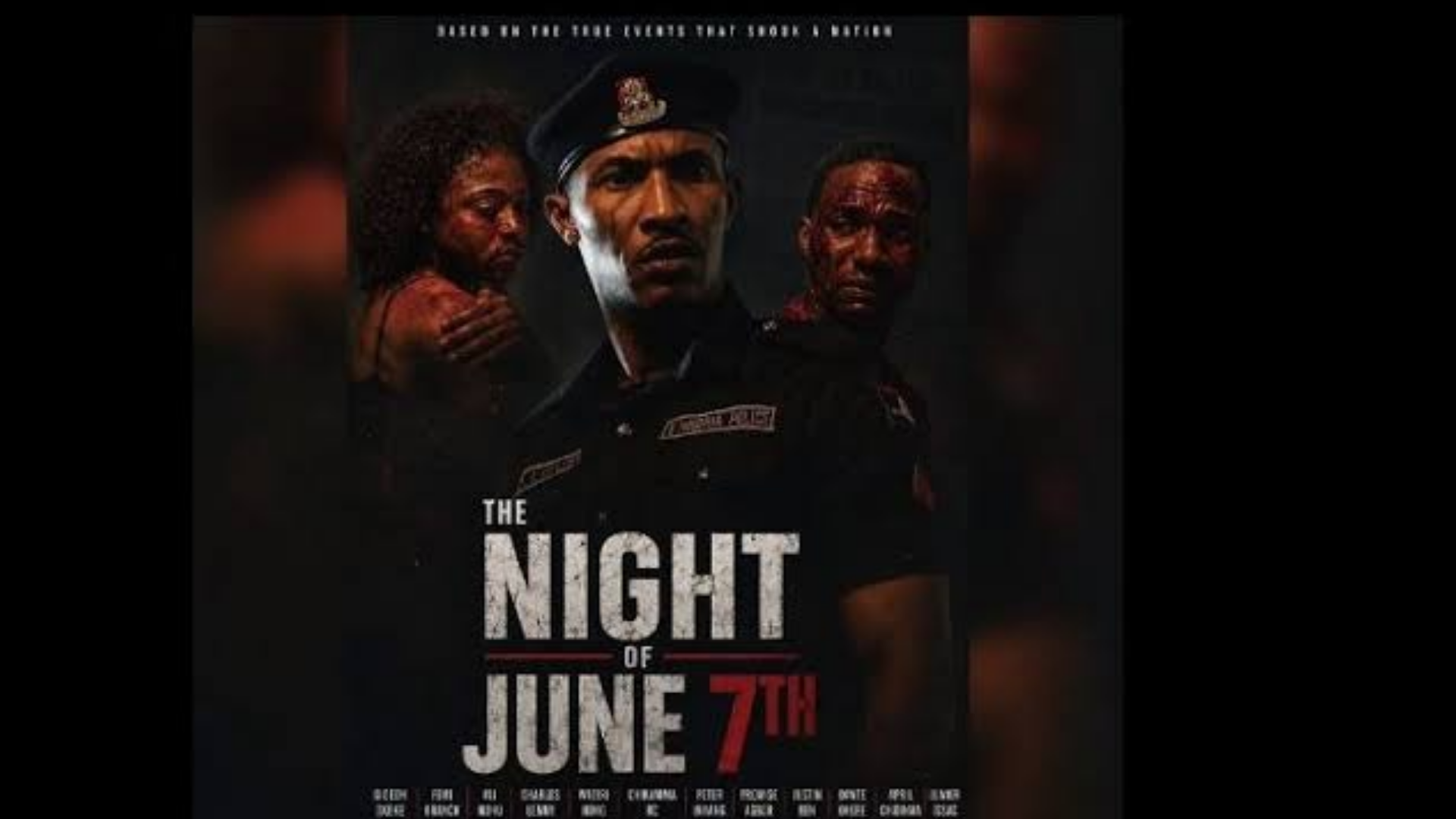
The Action Group on Free Civic Space (AGFCS) has expressed concern over the suspension of the release of The Night of June 7th, a film based on the 2005 killing of six young Nigerians in Abuja, popularly known as the Apo Six killings.
According to reports, the National Film and Video Censors Board (NFVCB) referred the film to the Department of State Services (DSS) for further review because of the sensitive nature of the events on which it is based.
The film, which was scheduled for nationwide cinema release on August 28, 2026, remains on hold pending the outcome of that review.
The Action Group stated: “The Apo Six killings remain an important part of Nigeria’s human-rights and policing history. The incident generated widespread public outrage and was followed by official investigations, prosecutions and judicial proceedings.
“The convictions and acquittals arising from the case are matters of public record.
“Against this background, the Action Group is concerned that a film based on a publicly documented historical event is now subject to an apparently open-ended security review without a clear public explanation of the specific national-security concern involved.
“We recognise that NFVCB has statutory responsibility to classify and regulate films in accordance with applicable laws. We equally recognise that freedom of expression is not absolute.
“However, any restriction on freedom of expression and artistic freedom must have a clear legal basis, pursue a legitimate objective, and be necessary and proportionate to the specific harm sought to be prevented.
“The mere fact that a historical episode is considered sensitive, controversial or uncomfortable cannot, without more, provide sufficient justification for preventing or indefinitely delaying its retelling.”
According to the group, the reported involvement of the DSS also raises legitimate questions that require answers.
“What specific aspect of a film concerning events that occurred more than two decades ago raises a national-security concern requiring security-agency review? What is the legal basis for such referral? What criteria will guide the review, and within what timeframe will it be concluded?
“These questions matter beyond this particular film. Subjecting artistic works dealing with alleged abuses by state institutions to unexplained security scrutiny risks creating a chilling effect on filmmakers, journalists, writers, researchers and human-rights defenders seeking to document and interrogate Nigeria’s history.*
The group pointed out that Section 39 of the Constitution guarantees freedom of expression, including the freedom to receive and impart ideas and information without interference.
They stated: “Artistic expression and historical storytelling fall within the democratic space that this freedom is intended to protect.
“The Action Group therefore calls on the NFVCB to publicly clarify the legal and factual basis for referring The Night of June 7th to the DSS, identify the specific concern necessitating the additional review, and provide a clear and reasonable timeline for concluding the process.
“We further urge the NFVCB and the DSS to ensure that the review does not become an indefinite or de facto ban on the film. Unless there is a specific and demonstrable legal basis for restricting its exhibition, consistent with the principles of legality, necessity and proportionality, the regulatory process should be promptly concluded and the film allowed to proceed through the normal classification and exhibition process.
“Historical memory is an important component of accountability. Societies learn from institutional failures by documenting, examining and openly discussing them. Difficult episodes in our national history should not be erased simply because their retelling may be uncomfortable for individuals or institutions.
“The Apo Six story is part of Nigeria’s history. Whatever one’s assessment of the film itself, the events it seeks to portray deserve to remain within public memory and democratic discussion.
The Apo Six story deserves to be remembered, examined and told – not erased from public memory.”
A total of 21 civil society organizations signed the joint statement sent to PerSecondNews, including RULAAC, Spaces for Change (S4C), Policy Alert, FENRAD Nigeria, the Headfort Foundation for Justice, and the Center for Transparency Advocacy, among fifteen other rights and development groups.