

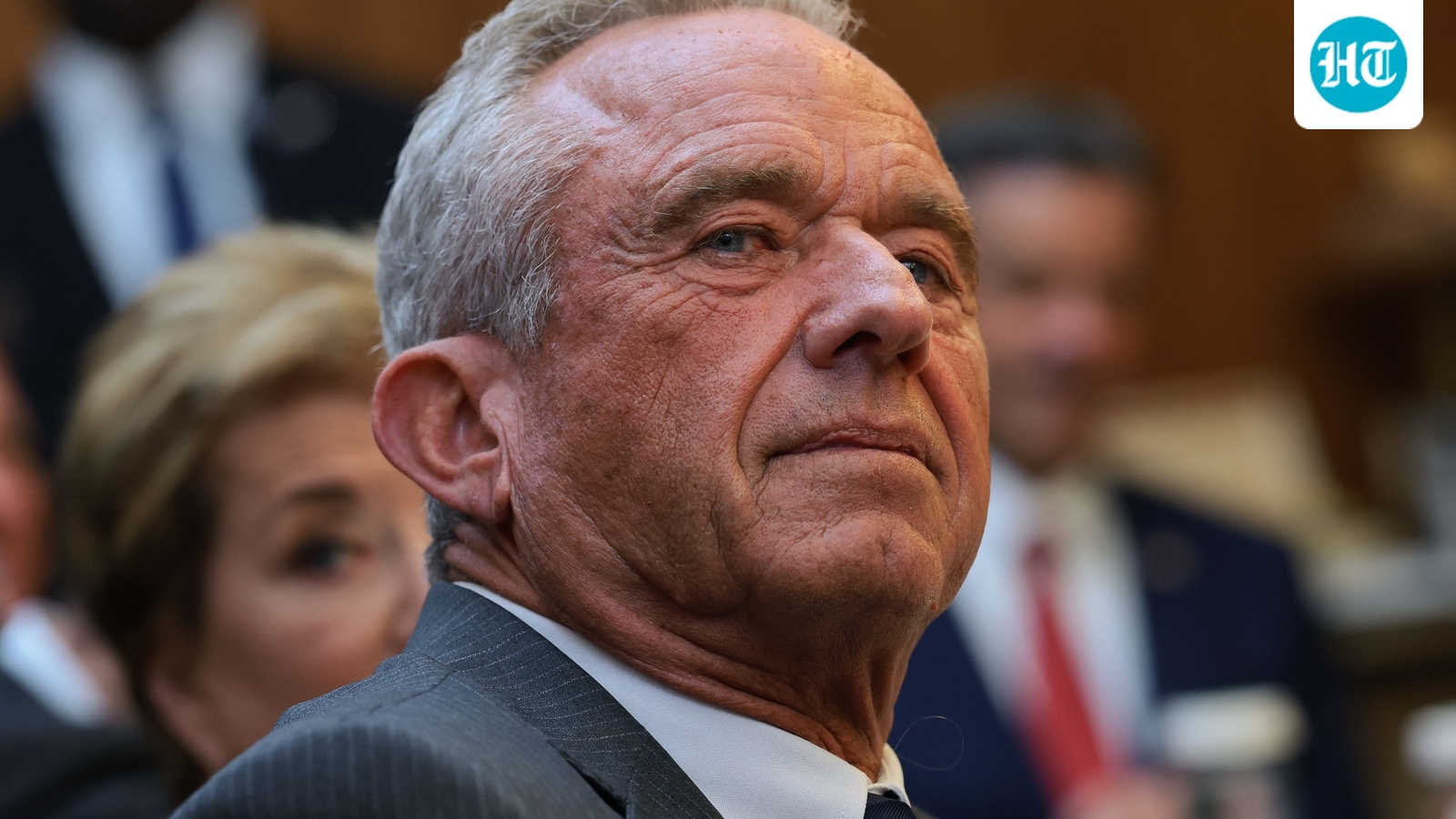
Since taking over the US Department of Health and Human Services (HHS), Robert F Kennedy Jr has made his “Make America Healthy Again” (MAHA) movement the centerpiece of the Trump administration’s health agenda.
From artificial food dyes and ultra-processed foods to chronic disease prevention and food regulation, the initiative has already reshaped federal health priorities while continuing to spark debate among scientists and public health experts.
How has the MAHA movement changed US health policy?
According to a recent report by WJAC-TV, Kennedy has made reducing chronic disease one of HHS’ top priorities. Under his leadership, the department has promoted efforts to phase out certain synthetic food dyes, encouraged food manufacturers to reformulate products, launched the MAHA Commission to examine the causes of chronic illness, and pushed for greater scrutiny of ultra-processed foods, pesticides and environmental chemicals.
Kennedy has also repeatedly argued that the federal government should place greater emphasis on disease prevention instead of focusing primarily on treatment, while criticizing what he sees as the pharmaceutical industry’s influence on healthcare policy.
Some of these initiatives have drawn bipartisan support. Public health researchers have long studied the health effects of ultra-processed foods, and several US states had already begun restricting certain artificial food dyes before Kennedy took office.
Also Read: RFK’s daughter Kerry Kennedy responds to Fauci diary release: ‘Mum admired you, considered you a hero’
Why are food additives and ultra-processed foods central to MAHA?
Food policy has emerged as one of the movement’s defining issues.
In a February 2026 interview with BREAKING NEWS, Kennedy argued that manufacturers of ultra-processed foods have taken advantage of the Food and Drug Administration’s “Generally Recognized As Safe” (GRAS) system, which allows companies to determine the safety of some ingredients without pre-market FDA approval.
He said many Americans assume ingredients have been independently tested when that is not always the case.
At the same time, nutrition experts have long linked diets high in ultra-processed foods to obesity and other chronic illnesses, making this an area where concerns raised by MAHA overlap with existing public health research.
What did the MAHA report focus on?
The movement’s priorities were laid out in a May 2025 report issued by the White House MAHA Commission.
As The Guardian reported that month, the report identified five major drivers of chronic disease among children: ultra-processed foods, environmental chemical exposure, reduced physical activity, what it described as “overmedicalization,” and corporate influence over health regulators.
However, The Guardian noted that several experts criticized the report for omitting other major health risks for children, including firearm injuries, motor vehicle crashes, tobacco use and alcohol. The publication also reported that some scientists questioned claims in the report that they said lacked strong supporting evidence.
Also Read: Calley Means: 5 things to know on RFK Jr’s aide amid Truemed ‘conflict of interest’ row
Has the MAHA agenda faced scientific criticism?
Yes. While many researchers support goals such as improving nutrition, reducing chronic disease and studying environmental health risks, some of Kennedy’s broader claims remain controversial.
In a September 2025 explainer, PBS News reported that the administration’s follow-up MAHA strategy called for additional research into chronic disease and environmental exposures but raised questions about how those goals would be achieved alongside cuts to health and environmental research programs.
Experts interviewed by PBS also questioned whether those funding reductions aligned with Kennedy’s stated commitment to “gold-standard science.”
Meanwhile, WJAC-TV’s recent report noted that one of Kennedy’s most controversial positions continues to concern vaccines. The outlet reported that multiple large-scale studies conducted over more than two decades have found no evidence that routine childhood vaccines cause autism.
It added that organizations including the US Centers for Disease Control and Prevention (CDC), the American Academy of Pediatrics (AAP), the World Health Organization (WHO) and the National Academies continue to maintain that vaccines do not cause autism.
According to WJAC-TV, the movement’s popularity extends beyond Kennedy’s policies. Declining trust in public institutions following the COVID-19 pandemic, combined with growing concerns about obesity, chronic disease, healthcare costs and food quality, has helped MAHA gain a national audience. Social media platforms, podcasts and wellness influencers have also amplified the movement’s message outside traditional political channels.