
US' new visa bond rule mandates payments of up to $20,000 for 50 countries. Is India on the list?

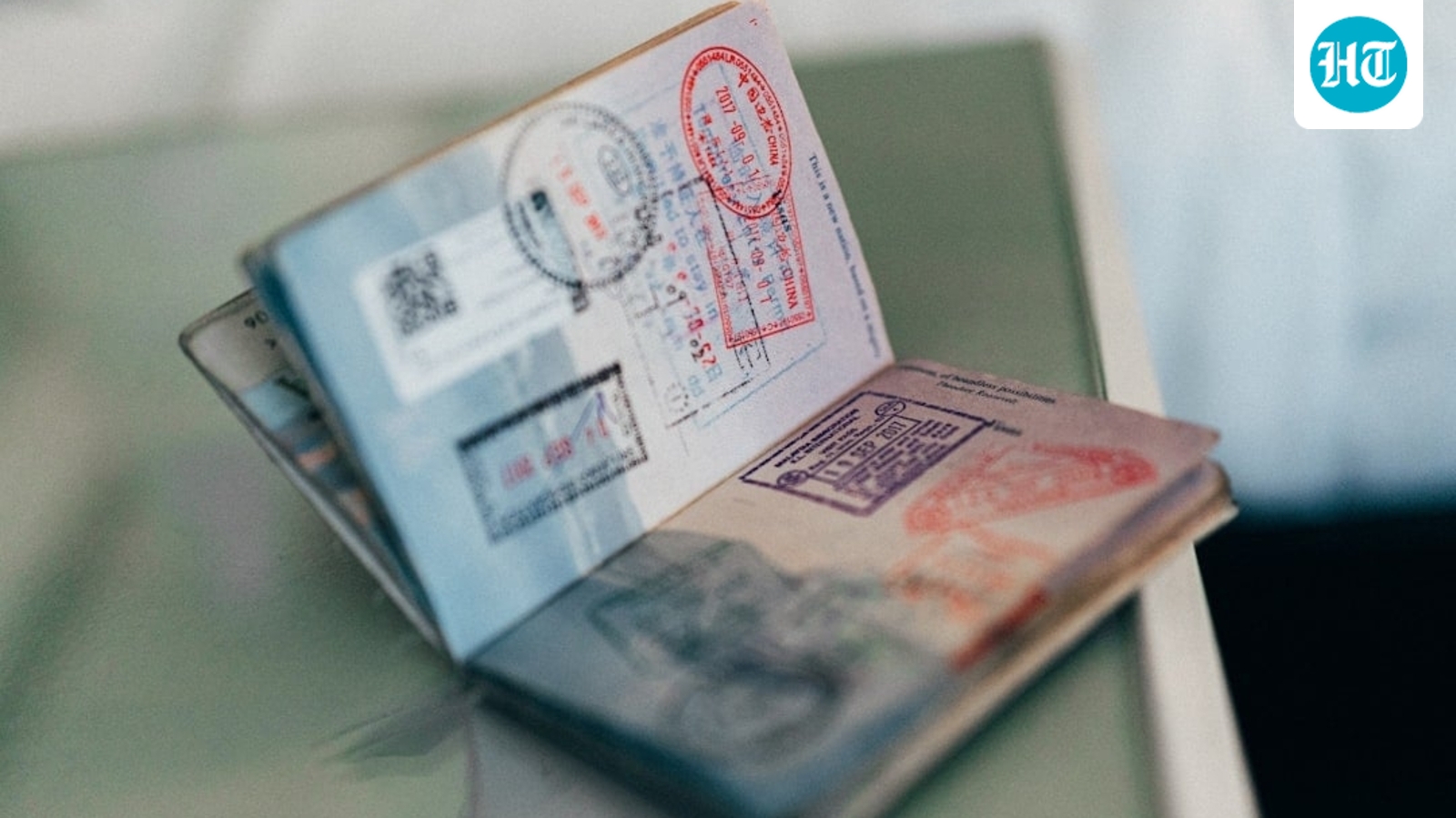
The United States has made its visa bond programme permanent, allowing consular officers to require certain foreign nationals applying for business and tourist visas to deposit a bond of up to $20,000 before a visa is issued.
The move, announced through a notice published in the federal register on Friday, applies to applicants for B-1 and B-2 visas from 50 countries, the majority of them in Africa. The rule comes into effect on August 3.
According to the notice, “Consular officers may require covered nonimmigrant visa applicants to post a bond of up to $20,000 as a condition of visa issuance, as determined by the consular officers.”
Why was the programme permanent?
The visa bond programme was first introduced as a pilot in 2025 to test whether financial bonds could help reduce visa overstays.
The US government said the trial delivered enough evidence to justify making the programme permanent.
“The 2025 visa bond pilot, which provided a framework for the Department of State, the Department of Homeland Security, and the Department of the Treasury to assess the feasibility of administering a visa bond program, has provided sufficient data to suggest that a visa bond program is an effective tool for enforcing compliance among bonded visa holders,” the notice said, reported Reuters.
Is India on the list?
No. India is not among the 50 countries covered by the visa bond programme.
The programme currently applies to citizens of 50 countries, including Bangladesh, Nepal and Bhutan, but Indian nationals applying for B-1 or B-2 visas will not have to pay a visa bond under the new rule.
However, the US State Department has indicated that additional countries could be added to the programme in the future.
Part of Trump’s broader immigration push
The visa bond programme is the latest immigration measure introduced under US President Donald Trump’s administration.
Under the pilot programme, consular officers could ask applicants to deposit bonds of $5,000, $10,000 or $15,000. The permanent rule removes the $5,000 option and raises the maximum bond amount to $20,000.
US officials say the policy is aimed at discouraging people from overstaying their visas. However, immigration advocates argue that it could discourage genuine business and leisure travellers from visiting the country.
The administration has also tightened legal immigration rules by introducing higher fees for certain visa categories and expanding social media screening for visa applicants and some immigrants already living in the United States.
(With inputs from Reuters)