
Trump says US 'low-keying' talks with Iran amid deadlock on Hormuz: 'Will work out, it's like chess game'

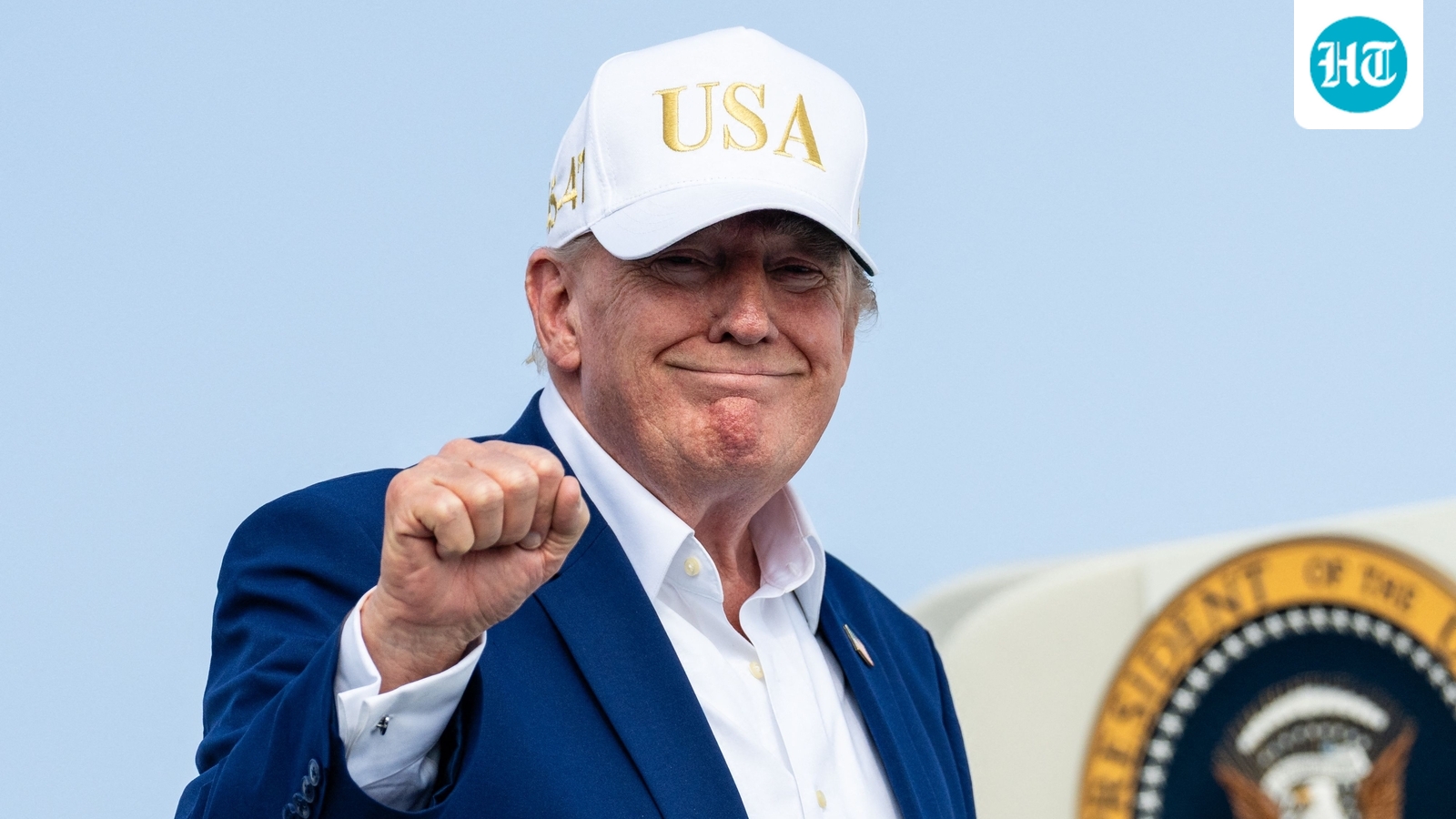
US President Donald Trump on Sunday said Iran’s economy was in a “very bad shape” and his administration was just going to watch the economic pressure mount amid ongoing talks to open up the Strait of Hormuz.
Trump’s statement signalled the US’ decision to refrain from more military strikes while Iran poses tough conditions to open the strait.
ALSO READ: Trump ready to drop Iran nuclear deal push if Tehran reopens Hormuz: Report
“We are low-keying it. We are only semi-negotiating with them. We are just watching Iran with its huge inflation and the fact they have no money,” news outlet Axios quoted him as saying.
It will work out. Like a chess game: Trump
Trump, who was making threats only a week ago, displayed unusual composure as he said, “It will work out. It always works out. It’s like a chess game.”
The US president observed that America’s naval blockade has worsened the Iranian regime’s economic crisis. Tehran has demanded that the US first end its blockade of Iranian ports and lift oil sanctions.
ALSO READ: Mojtaba Khamenei ‘meets’ Iran President after ‘critical’ health reports; What was discussed?
According to the report, Trump did not show any signs of exasperation as Iran’s latest demands lead to further delay in the opening of the key waterway. The Strait of Hormuz, through which one-fifth of the world’s oil and natural gas pass, has been shut since US and Israel launched a war on Iran on February 28.
Trump indicated that adopting this wait-and-watch policy was made easier as oil prices were falling and the American consumers were feeling “less pain from the war”.
What Iran said on talks with the US
Iran meanwhile has denied the reports of direct negotiations with the US. Iranian Foreign Minister Abbas Araqchi said on Sunday the two sides were not engaged in talks. Tehran has been demanding that the US fulfil its side of the interim deal reached in June in order to resume direct talks. Araqchi said messages between Iran and the US were being exchanged via intermediaries.