

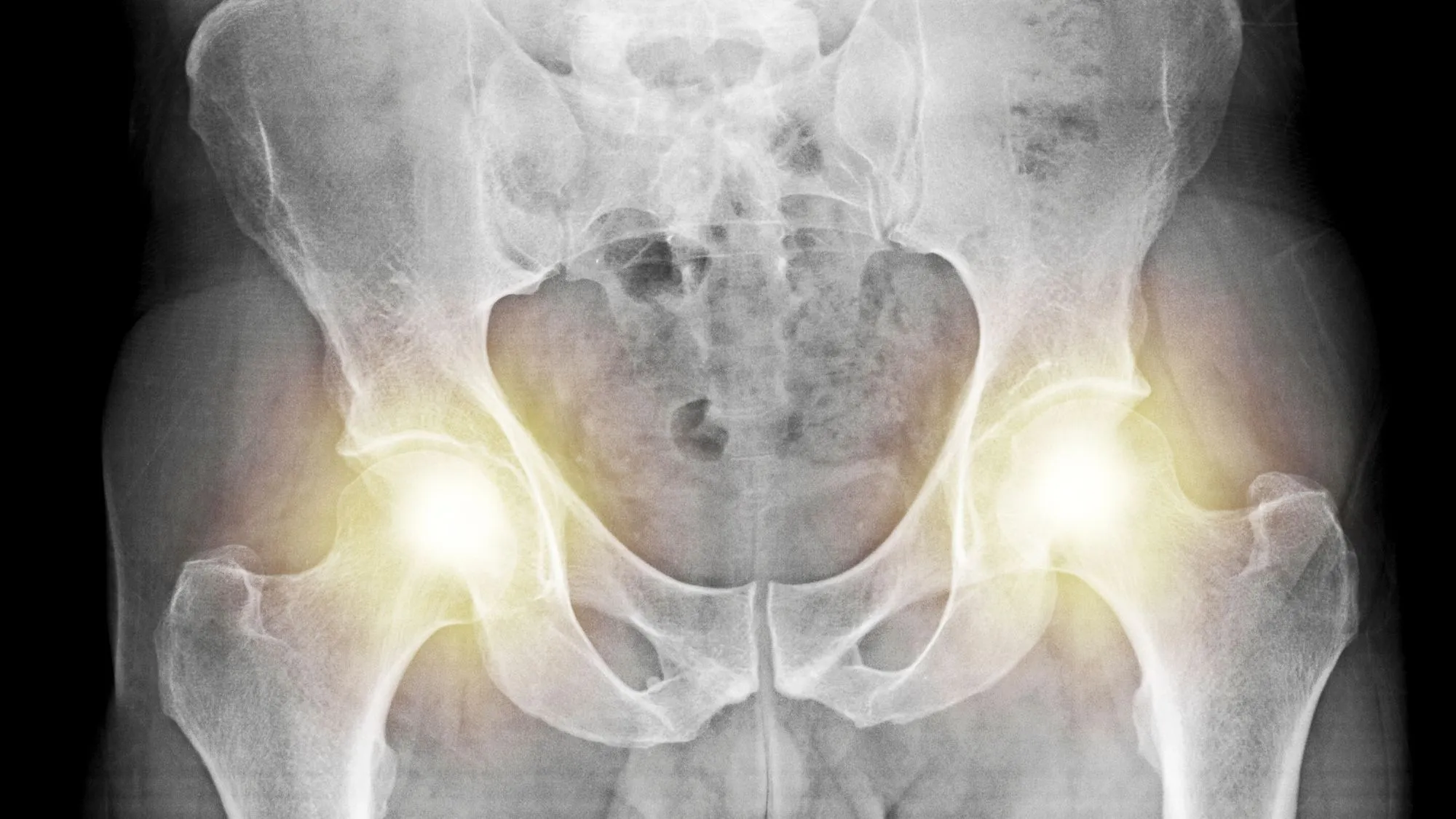
According to researchers who published their findings in the journal Scientific Reports, men’s and women’s pelvises evolved to suit different evolutionary needs. As detailed by IFLScience, men’s pelvises are good for long-distance walking, and modern women seem to have inherited a pelvic shape that is best suited for baby-making.
The study compared the only two complete Neanderthal male pelvises ever discovered with those of modern humans. Researchers found that modern men have hip sockets about an inch farther forward than those of Neanderthals or modern women. That tiny little tweak turns the male pelvis into a natural shock absorber that stores energy with each step, giving the legs a boost.
Dudes come equipped with an all-natural car suspension system. It’s a change that scientists say probably helped Homo sapiens males travel farther with less effort, which no doubt helped track prey for long distances.
Modern Women’s Pelvises May Look More Like Neanderthals’ Than Men’s Do
Women never had this forward-shifted hip socket because they didn’t need to walk potentially several miles to get food; otherwise, it would have resulted in a more narrow birth canal that could have created some complications during childbirth. Instead, women’s pelvises more or less kept an ancient ancestral design intact, one that looks a lot like the same basic setup the Neanderthals had, and maybe even Homo erectus. It’s kind of an evolutionary “if it ain’t broke, don’t fix it.”
Weirdest part of the find is that women’s pelvises are strangely similar to the pelvises of male Neanderthals. Neither shape is inherently better than the other. They both evolved along their separate tracks to better suit the gender roles of many thousands of years ago.