

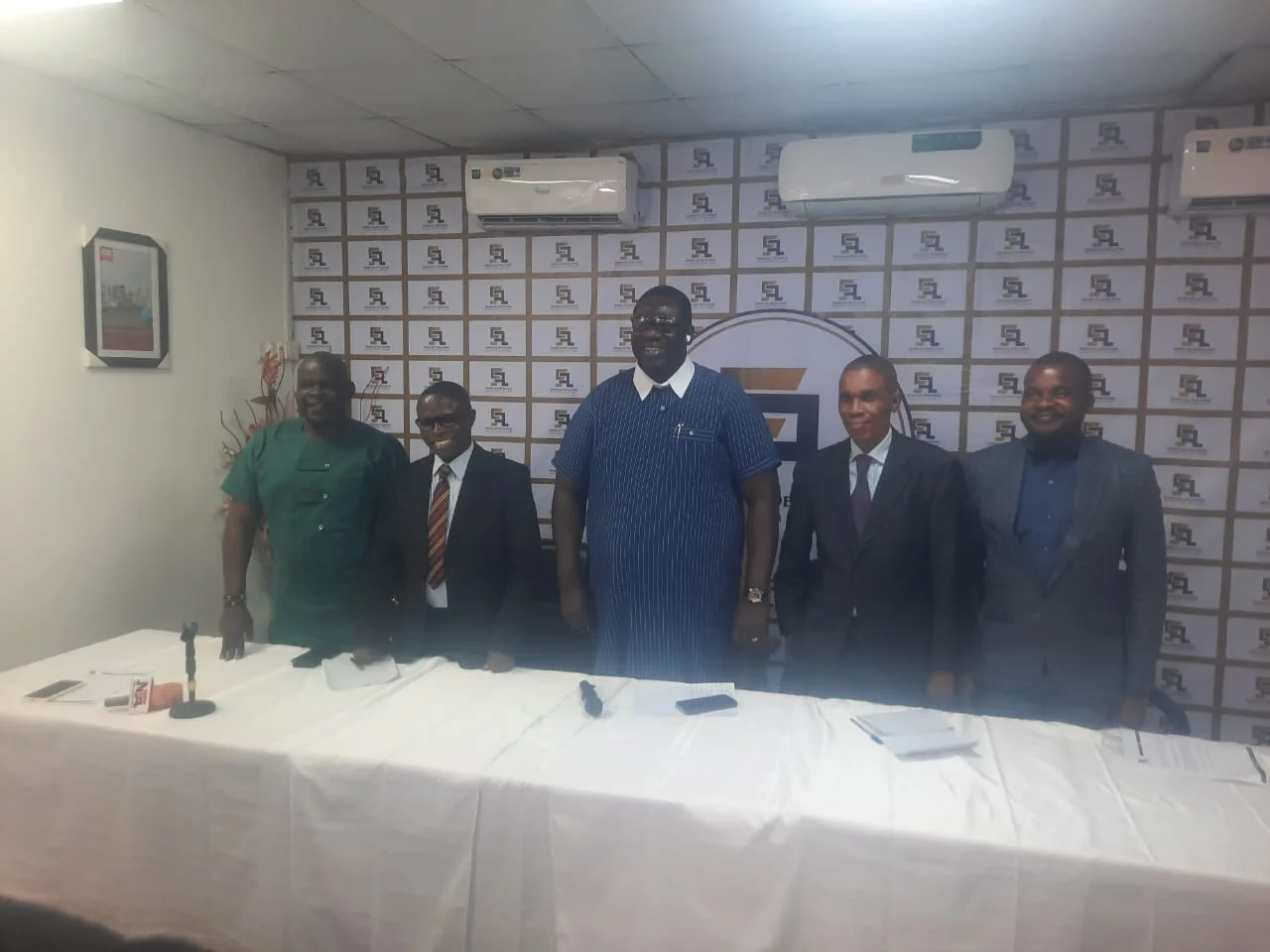
The Shoreline Developers Association (SDAL) has projected that Lagos State’s coastline could generate up to $1 trillion in economic value through sustainable development, urging increased investment in infrastructure, tourism and waterfront projects.
The association said the projection was based on the vast economic opportunities along the coastline, which could be unlocked through investments in premium real estate, high-rise buildings, marinas, tourism, port logistics, fisheries, renewable energy and supporting infrastructure.
Speaking during the inauguration of the association on Friday at Ebootcamp Peace Estate, Wasimi, Maryland, SDAL President, Lai Omotola, said the estimate was informed by the premium value already attached to waterfront developments in Lagos and the vast untapped potential along the state’s coastline.
To illustrate the potential, Omotola compared rental values in Lekki and Banana Island, noting that while a two-bedroom apartment in Lekki rents for about ₦8 million, a similar apartment in Banana Island commands approximately ₦35 million because of its location, infrastructure, ambience and quality of living.
He also cited land values in Banana Island, where a 1,000-square-metre plot sells for about ₦5 billion, arguing that similar developments across other coastal communities could significantly expand Lagos’ economic base.
“There are so many factors that are going to impact all of this. You see, today, if you go to Lekki, a two-bedroom apartment, if you are shopping, you pay for eight million Naira, two-bedroom.
“If you approach Banana Island, a two-bedroom apartment will cost 35 million. And you wonder why that is happening. And guess what? Nobody will complain. People will pay that 35 million and they will then enter into that two-bedroom apartment. Why are they doing it? Because of the location, the infrastructure, the ambience, and the comfort that they’re going to get. So the market commands the 35 million Naira two-bedroom,” the president asserted.
According to him, developing high-rise buildings, transport infrastructure, marinas, commercial centres and tourism facilities would increase property values, create jobs, attract local and foreign investment and generate sustainable revenue for the state.
Omotola said Lagos had the natural advantages to compete with leading global waterfront cities but needed to move away from short-term commercial interests towards long-term planning backed by quality infrastructure and effective implementation.
Drawing a comparison with Dubai, he argued that Lagos had a larger landmass and more extensive shoreline resources but had yet to maximise their economic potential because of inadequate infrastructure and insufficient investment in tourism and recreational facilities.
He said modern marinas, event centres and iconic waterfront developments could position Lagos as a major tourism destination, attracting millions of visitors and boosting the hospitality, entertainment and other service industries.
“So as little as Dubai is, that do not have as much land space as we have, we have ten of them. All we just need to do is to not be business-focused, talk what we mean, and mean what we talk, and do whatever we say. Implement, execute it, and understand that Lagos is not a hub,” Omotola said.
The president disclosed that property values along Lagos’ shoreline had risen by 751 per cent over the past five years, while planning permit and title registration fees had increased by 300 per cent, which he said reflected the growing commercial value of waterfront developments.
He said the association was established to promote development that complements the natural environment while improving living standards, stressing the need for proactive, long-term planning for the state’s coastline.
As part of that vision, Omotola called on governments, private investors and other stakeholders to jointly fund a 50- to 100-year master plan for Lagos’ shoreline, which he said accounts for about 40 per cent of the state’s landmass.
He emphasised that shoreline development went beyond land reclamation and sand filling, identifying fisheries, wind energy, coastal rail, marinas, renewable energy, high-value port logistics and eco-tourism as sectors capable of driving sustainable economic growth.
“It is time for all stakeholders to come together to fund a 50-to-100-year master plan for the entire development of our coastal line in Lagos that makes up to 40percent of our Land mass,” he noted.
Omotola urged regulators to prioritise critical infrastructure alongside regulatory oversight, saying this would deliver greater long-term economic returns than revenue generation alone.
He also called for strategic planning around the economic and environmental implications of the $3 billion Lagos-Calabar Coastal Highway, saying coordinated development would be essential to unlocking the full value of Lagos’ coastal resources.