

Featured
By Goddy Ikeh
SINCE President Bola Tinubu introduced sweeping economic reforms in 2023, debate has continued over whether the measures are laying the foundation for long-term prosperity or deepening the hardship faced by millions of Nigerians.
The reforms, including the removal of fuel subsidy, liberalisation of the foreign exchange market and tax reforms, were introduced to address structural distortions, restore investor confidence and stabilise the economy.
Government officials insist the reforms are beginning to yield results.
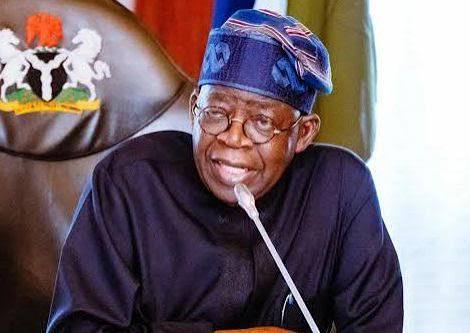
President Tinubu recently told a delegation of Catholic bishops that his administration had rescued Nigeria from economic collapse and placed the country on a path to recovery.
According to him, the economy has been stabilised, while prosperity is on the horizon.
The Minister of Finance and Coordinating Minister of the Economy, Taiwo Oyedele, has also maintained that the focus has shifted from restoring macroeconomic stability to translating the gains into investments, jobs and improved household incomes.
He said recent indicators, including GDP growth, moderating inflation, stronger foreign reserves and improvements in non-oil sectors, suggest the economy is gradually recovering.
The minister argued that reforms should ultimately be judged by improvements in living standards rather than macroeconomic statistics alone.
He also assured Nigerians that government would publish details of savings realised from fuel subsidy removal, saying transparency remained a priority.
Economic analysts acknowledge that reforms were necessary after years of fiscal imbalances, multiple exchange rates and costly fuel subsidies.
However, many contend that the benefits are yet to reach ordinary Nigerians.
The Catholic Bishops’ Conference of Nigeria recently expressed concern over rising poverty, insecurity and the declining purchasing power of citizens.
The bishops urged government to intensify efforts to cushion the effects of the reforms on vulnerable Nigerians.
Although the Presidency explained that President Tinubu did not dismiss the bishops’ concerns, the exchange highlighted the growing disconnect between official economic indicators and the realities experienced by many households.
The organised private sector has also voiced concerns.
The Manufacturers Association of Nigeria (MAN) says businesses have borne the heaviest burden of the reforms.
According to the association, higher fuel prices, rising electricity tariffs, exchange rate depreciation and elevated lending rates have significantly increased production costs.
MAN reports that manufacturers now spend substantially more on alternative energy because of unreliable electricity supply.
The association also notes that imported raw materials have become far more expensive following the depreciation of the naira, while access to foreign exchange remains inadequate for many manufacturers.
It adds that high borrowing costs have discouraged expansion and reduced industrial investment, with many firms struggling to remain competitive.
These challenges, MAN says, have contributed to lower manufacturing capacity utilisation and job losses across the sector.
Nonetheless, the association acknowledges that some recent government initiatives could support industrial recovery.
They include the Naira-for-Crude policy, tax reforms, incentives for pharmaceutical manufacturers, harmonisation of taxes and levies, the Nigeria First policy and the National Single Window project aimed at improving trade efficiency.
MAN, however, stresses that these policies must be effectively implemented to produce meaningful results.
Economists say the current situation reflects the difficult balance between implementing painful reforms and protecting citizens from their immediate consequences.
Some argue that while subsidy removal and exchange rate reforms were unavoidable, stronger social protection measures should have accompanied their implementation.
Others believe the reforms should now focus on boosting domestic production, supporting small businesses, improving infrastructure and reducing the cost of doing business.
Stakeholders also emphasise the need for policy consistency, affordable financing for productive sectors and stable electricity supply to unlock industrial growth.
Many analysts agree that Nigeria’s long-term economic recovery will depend not only on macroeconomic stability but also on creating jobs, increasing productivity and improving the welfare of citizens.
As discussions continue, many Nigerians remain less concerned about economic statistics than about the impact of reforms on their daily lives.
For households battling rising food prices, transport costs and declining purchasing power, the true measure of success will be whether the reforms translate into affordable living, sustainable jobs and improved incomes.
Observers say sustaining public confidence in the reform agenda will require greater transparency, effective implementation of supportive policies and visible improvements in the quality of life of ordinary Nigerians.
Only then, they argue, will the ongoing debate shift from the pain of reforms to the promise of shared prosperity.
F.O
Tags: Economic reforms Reforms and Reality