
'Loving' mother, 911 call, postpartum psychosis: Key moments from Lindsay Clancy's murder trial so far

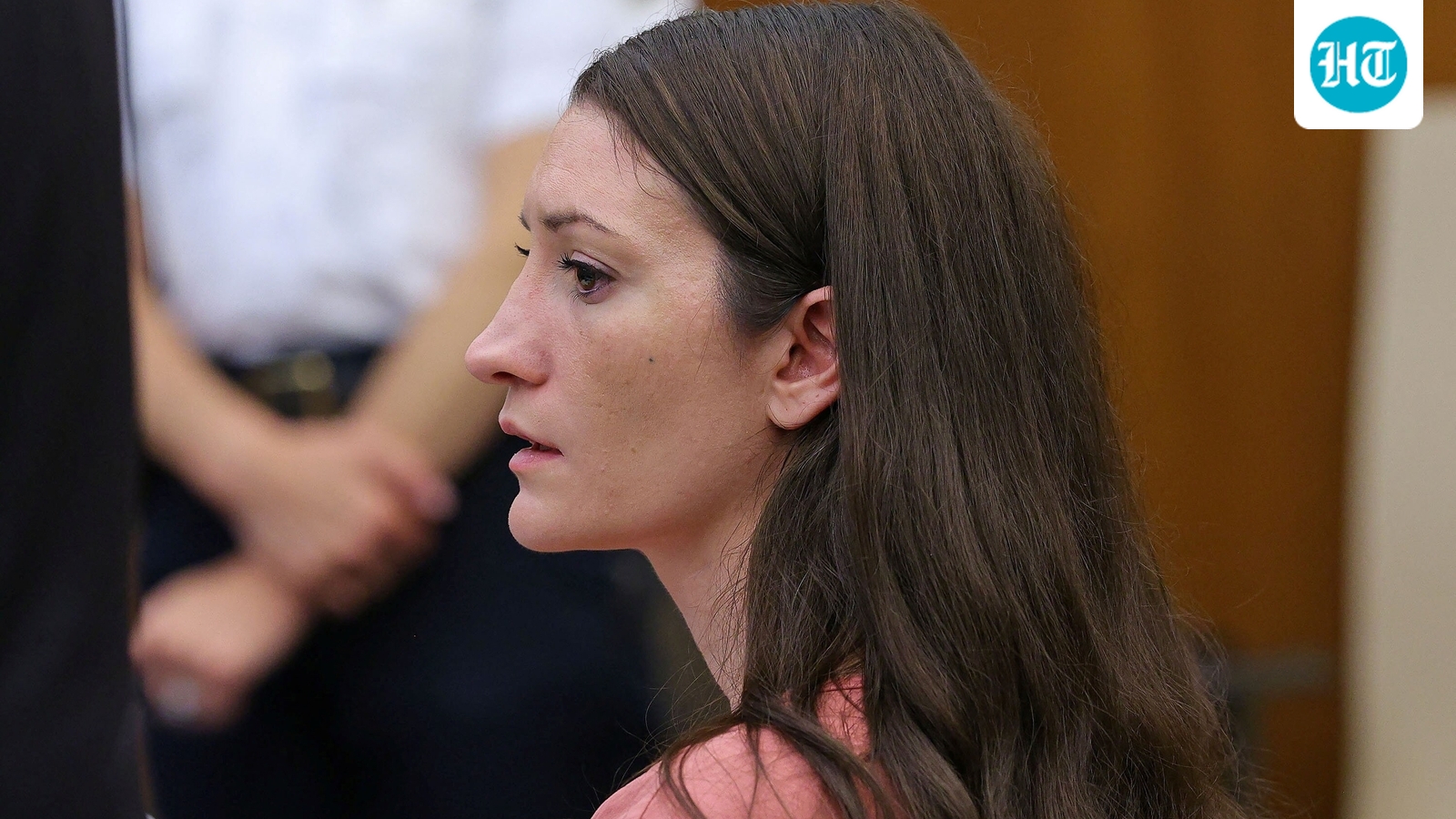
The trial of Lindsay Clancy, a mother from Duxbury, Massachusetts, accused of strangling her three children to death, began at the Plymouth Superior Court on July 27, with an 18-member jury hearing testimonies and submissions against her.
A 36-year-old Lindsay Clancy is said to have killed her kids, Cora, 5; Dawson, 3; and 8-month-old Callan, due to a collapsed mental health triggered by “postpartum psychosis” in January 2023.
The trial is now in its third week, with the jury having heard testimony from Lindsay’s former husband, Patrick Clancy, and psychiatrist Dr Jennifer Tufts, among others so far.
The Lindsay Clancy murder trial so far
The crime
On January 24, 2023, Lindsay Clancy, a former labor and delivery nurse at Massachusetts General Hospital, asked her then-husband Patrick Clancy to get takeout food and pick up something from a pharmacy. As he was out running errands, she allegedly strangled her three kids with exercise bands.
After this, Lindsay allegedly cut her wrists and neck and jumped from a second-storey window, a step described as a suicide attempt by her defense. Lindsay suffered paralysis below her sternum due to the fall, and now moves around in a wheelchair.
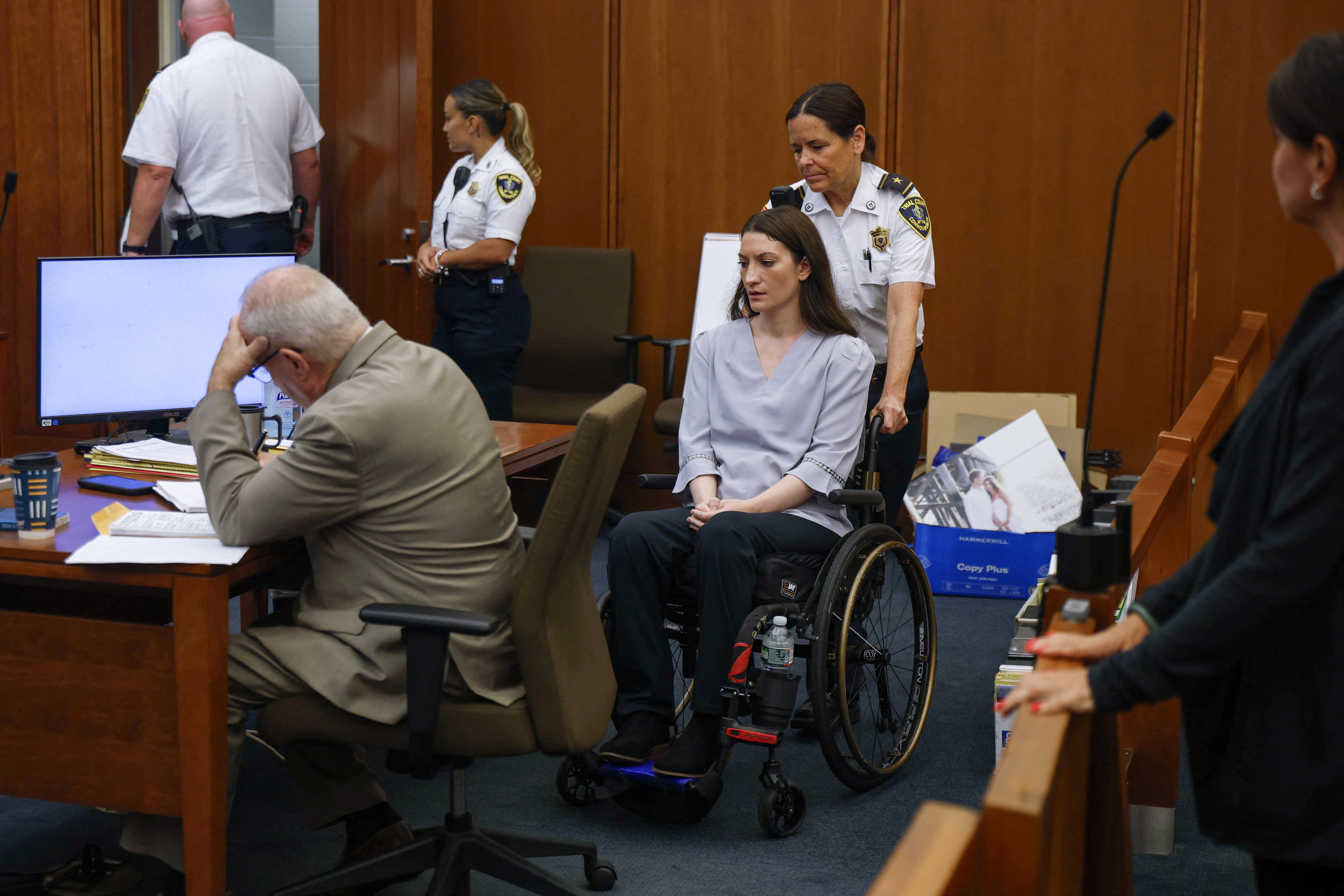
Her lawyers and former husband say that she was not responsible for her actions. So much so that Patrick Clancy has said in interviews that he forgives his wife.
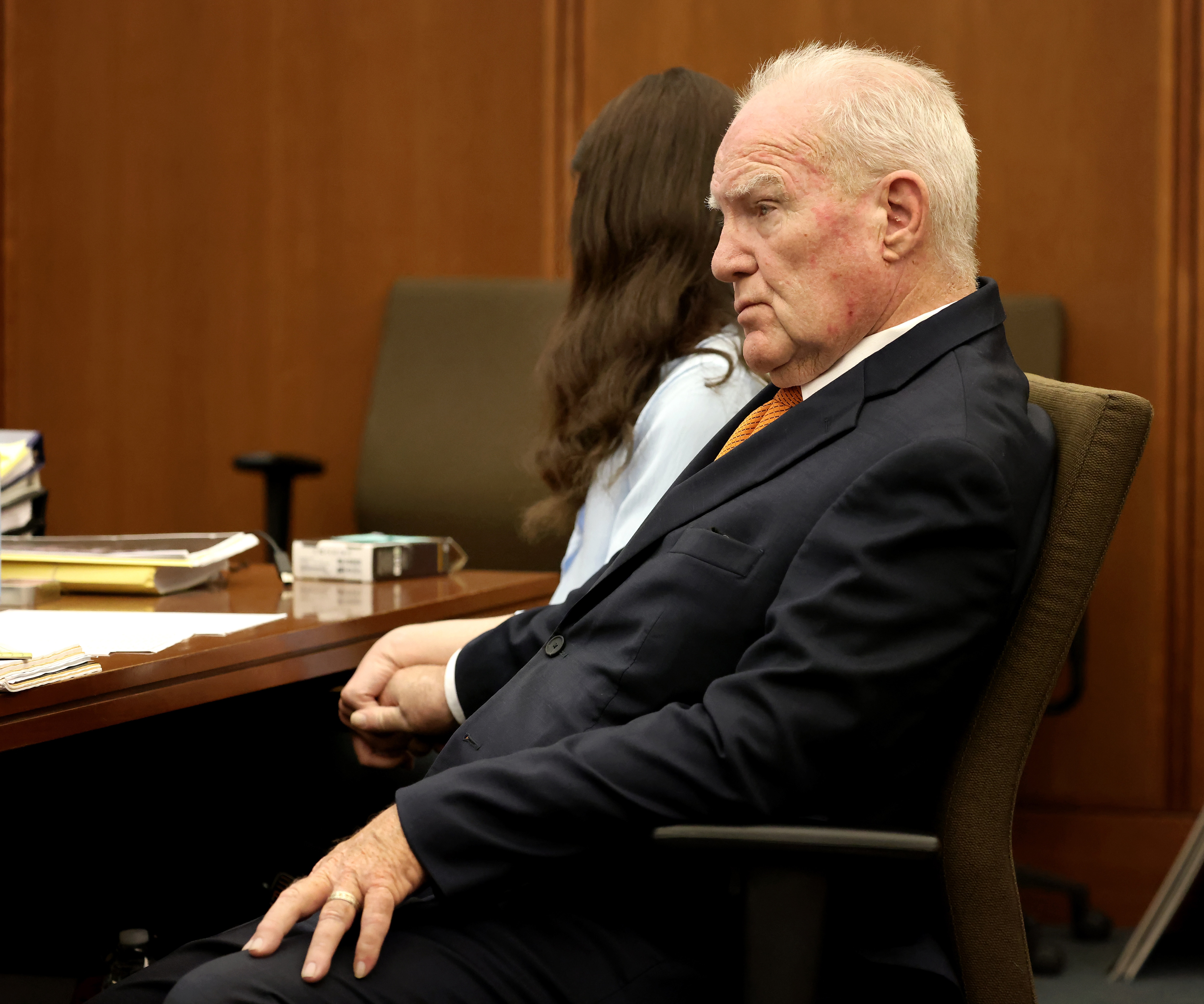
Meanwhile, Kevin Reddington, Lindsay’s defense attorney, had said he planned to raise a case on the insanity defense. He described the case as an “extreme tragedy.”
Prosecutors, however, argue that the killings were intentional and well planned, stating that it was not the action of somebody with no control.
Lindsay Clancy has pleaded not guilty to the murder charges in the deaths of her three kids.
Jury selection
On July 20, just a week before the trial kicked off, jury selection began at the Massachusetts court, a process which concluded within four days with an 18-member jury seated for the Lindsay Clancy murder trial.
The 18-member jury includes 12 primary jurors and six alternates. The alternates sit through the entire trial, remain sequestered like the other jurors, and step in as replacements for a primary juror if that juror is unable to complete the lengthy court proceedings.
‘Postpartum psychosis’ in focus
Earlier this year, Lindsay and Patrick Clancy filed lawsuits against her medical providers, accusing them of failing to properly diagnose and treat her for a “severe postpartum psychiatric condition.”
This comes against the backdrop of the information that Lindsay had reportedly spent several days at a psychiatric facility weeks before the murder.
Lindsay was depressed, had trouble sleeping and regularly heard voices that asked her to harm her children and herself, details her lawsuit.
“Lindsay Clancy did everything a mother in her situation could do,” the lawsuit was quoted by The Associated Press.
ALSO READ | Will Lindsay Clancy take the stand? Can defendants choose not to testify? What we know
According to the lawsuit, Lindsay realised that she had troubles and sought medical treatment. She reportedly went to emergency rooms, called crisis hotlines, got herself admitted to hospitals, and took her prescribed medications. The lawsuit detailed that she also told her medical providers about her worsening symptoms, informing them that her medicines were making her worse.
Patrick Clancy’s lawsuit, meanwhile, detailed the voices Lindsay said she heard, citing her medical records. On the day of the murders, she heard voices saying, “This is your last chance. Kill the children so you can kill yourself.”
Another voice told her “that her children would suffer if she was gone,” Patrick’s lawsuit noted.
Opening statements
On July 27, the 18-member jury began hearing opening statements in Lindsay Clancy’s murder trial, which dueling views being presented about her mental health.
Both sides, however, agreed that she killed her three children, AP reported. But they disagreed about whether she should be held criminally responsible for the killings.
Patrick Clancy takes the stand
Patrick Clancy, Lindsay’s former husband, was the first witness to take the stand in her murder trial. He had found the bodies of his kids after returning home on the day of the murder in January 2023.
To be sure, Patrick said he does not believe that his wife is responsible for her actions, saying that she was ill, not evil. He has also several times stated that he forgives Lindsay.
He told the jury that a month before the murder, his wife began telling him that she was getting intrusive thoughts about harming her kids and herself.
Patrick described the situation as “very confusing” as moments after telling him about those harmful thoughts, his wife would be making lunch for the kids or playing with them.
“I never saw Lindsay harm the kids,” he told the court.
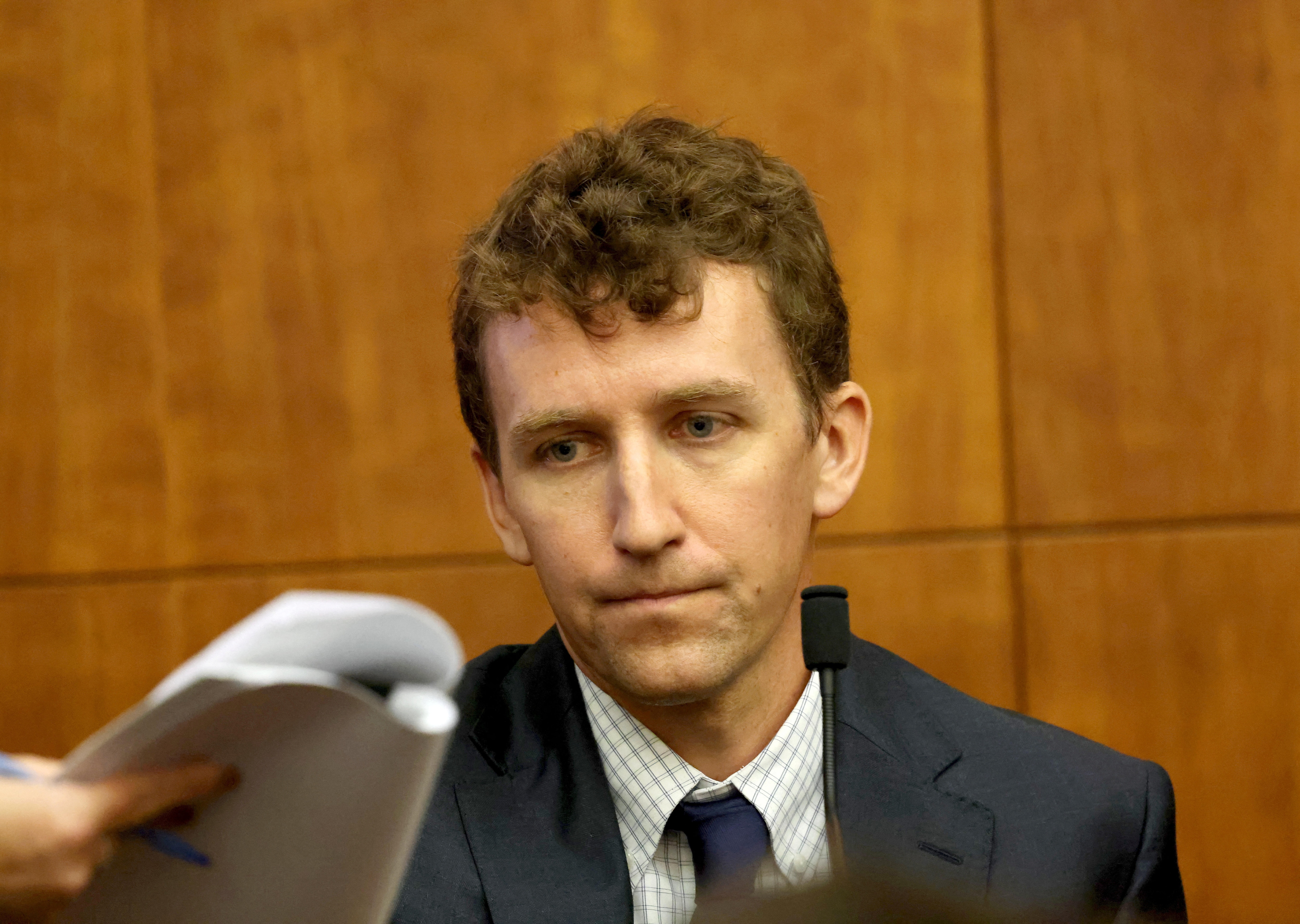
Patrick said that his wife’s condition had worsened despite months of psychiatric treatment, medications and new providers, adding that she had become more depressed and lost weight.
ALSO READ | Did Patrick Clancy hire a defense attorney? Is he a suspect? What to know amid Lindsay Clancy’s trial
He further testified that after his wife was discharged from the psychiatric facility, the family tried to live their everyday life. Patrick further said that Lindsay had resumed going to the gym and that her mood seemed steadier, which he said made him “hopeful.”
On January 24, 2023, the day of the killings, Lindsay reportedly took Cora for a doctor’s appointment while Patrick was home with the other two kids. During this time, the couple had even sent each other pictures of the kids.
According to Patrick, Lindsay was having “one of her best days” that day.
However, things soon turned tragic. Patrick left the house for errands, and soon after, Lindsay strangled her kids and tried to end her own life. Due to the fall, she remains paralysed from the waist down.
Notably, Patrick Clancy is now remarried to fertility specialist Dr Rachel Danis in New York City.
Defense vs Prosecution
Kevin Reddington, Lindsay Clancy’s defense lawyer, told the court that she was suffering from postpartum psychosis, a rare mental illness linked to sleep deprivation, bipolar disorder, and hormonal changes after childbirth.
Reddington also stated that Lindsay had bipolar disorder, adding that the antidepressants prescribed to her after the birth of her third child further worsened her condition.
Addressing the jurors, he said, “She loved those children right up to the time of their death.”
However, prosecutor Shanan Buckingham begged to differ, and argued that Lindsay “acted intentionally, rationally and swiftly,” and should hold full responsibility for the deaths of the kids.
“This was not a woman in the throes of psychosis,” Buckingham said. She said this was a case about the defendant, Lindsay Clancy, not a public debate about women’s mental health.
Several days after the killings, Patrick had posted on a GoFundMe page, “The real Lindsay was generously loving and caring toward everyone — me, our kids, family, friends, and her patients. The very fibers of her soul are loving. All I wish for her now is that she can somehow find peace.”
The 911 Call
Two days into the trial, a 911 call from Patrick Clancy, reporting the kids’ murder, was played in the court.
In the nearly 7-minute-long recording, Patrick can be heard speaking to his wife after he found her bleeding in their yard following her fall from the second-story window.
“Look at me. Say my name,” he says. Patrick tells Lindsay he’s going to check on the children, and minutes later, his loud cries are heard on the call. He finds the kids in the basement and tells the dispatcher, “She killed the kids!”
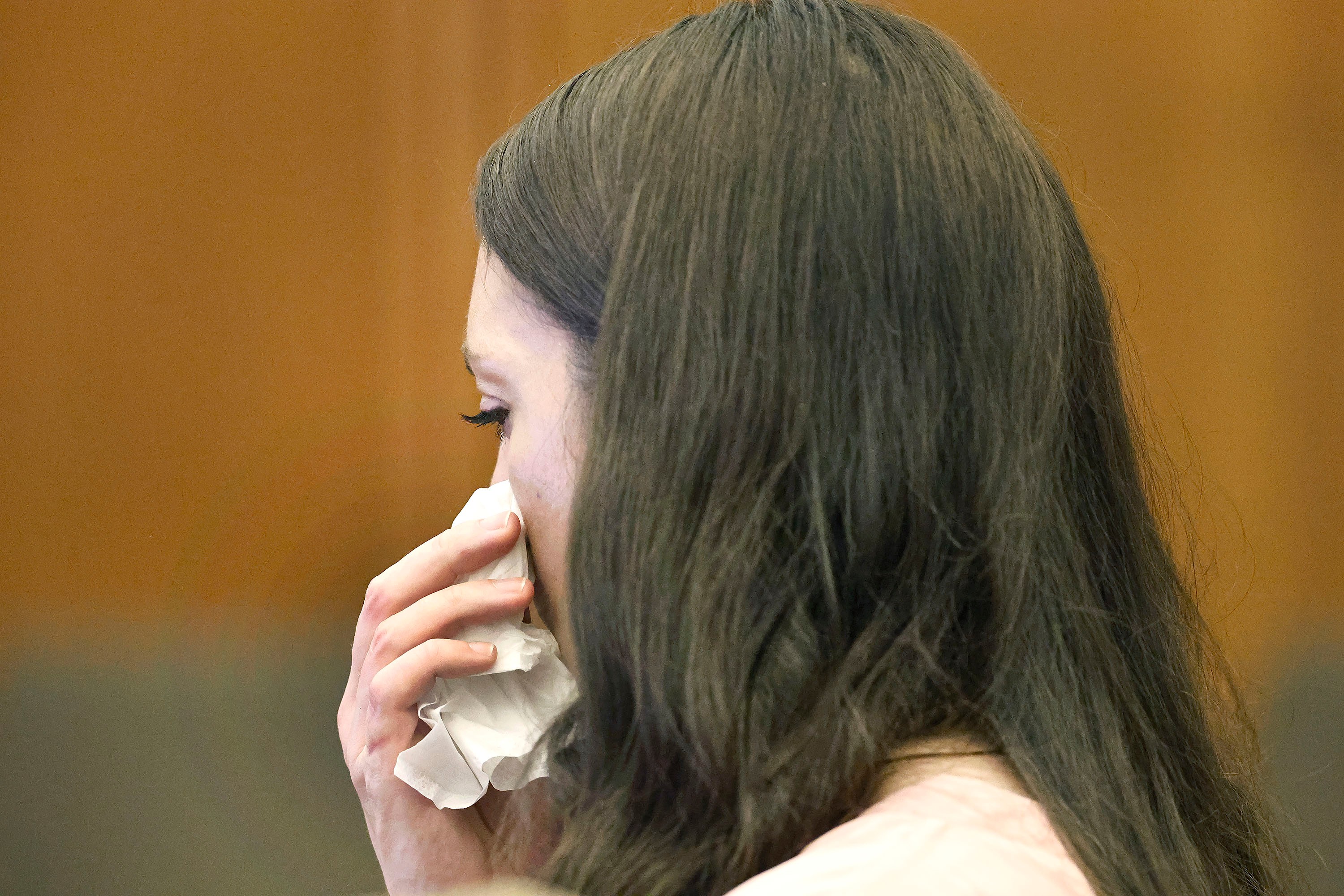
Patrick and Lindsay Clancy’s parents, who were seated in the front row of the court, were brought to tears as the call was played.
Patrick testified in court once again, recalling the last time he saw his son, Dawson, as he left to run errands Lindsay asked him for. Jurors were also shown surveillance footage of the pharmacy where Patrick had gone to pick up some medicine.
Patrick was seen talking to his wife on the phone. Testifying about the call, he said that Lindsay was pretty quiet. “It sounded like she was busy. I remember hanging up, thinking she was probably in the middle of giving baths or something like that,” he told the jurors.
Patrick described how the house was unusually silent when he returned, as no one answered when he called out to his family. After searching the house, he found Lindsay, following which the 911 call was made.
He also told jurors that no one ever told him that his wife shouldn’t be alone with the children. “I didn’t know what psychosis was until after this happened,” he said.
Lindsay’s lawyer, Kevin Reddington, submitted her daily, handwritten notes, aiming to demonstrate that she took her medications, tracked her worsening mental state and noted her “horrible thoughts”.
Reddington also had Patrick acknowledge Lindsay’s medical appointments in the summer of 2022, which lasted no longer than 20 minutes.
Her medications were also mentioned before the jury, including Seroquel, an antipsychotic medicine, the dosage of which was increased for her in December.
“The idea was that it would help with sleep, but she didn’t get better. She got worse,” Patrick Clancy said.
Police officers testify
Police officers Stephen Hall and Brian Josephine took the stand after two days of Patrick Clancy’s testimony.
Hall said he and Josephine arrived at the Clancy house in Duxbury separately and found Patrick screaming for help.
Josephine testified that an 8-month-old Callan had a faint pulse when they found Patrick and the kids downstairs. “Based on my training experience from previous incidents, I knew it wasn’t going to be good,” he said.
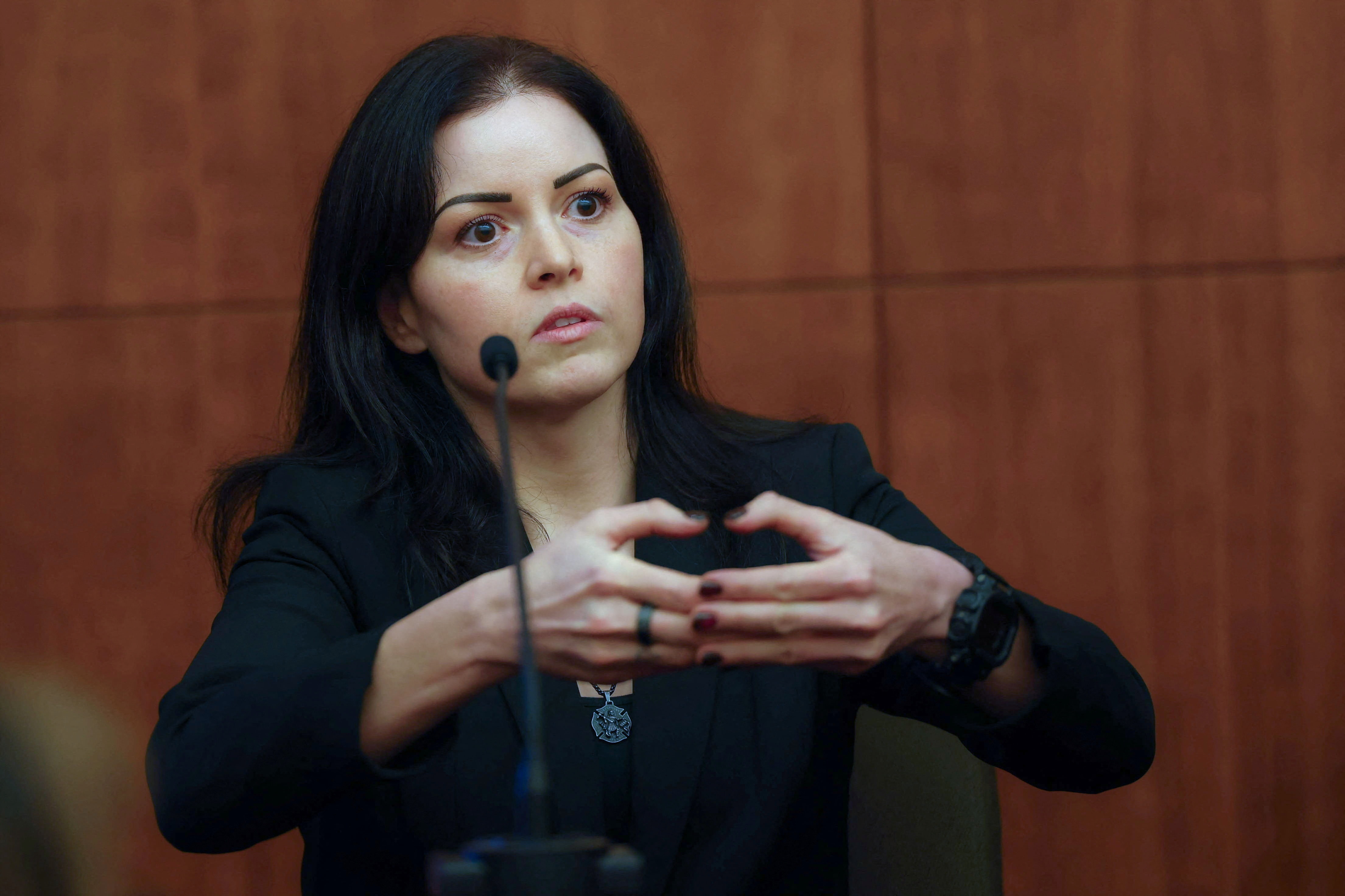
The officers sought help from firefighters, with PJ Hussey, a fire department supervisor, who said the situtaion turned chaotic as more forces began arriving at the house.
Duxbury firefighter and paramedic Jennifer Stratton said Callan never regained a pulse.
Doctors had testified that the kid was in cardiac arrest when he arrived at a hospital in Plymouth, saying that he needed a ventilator at Boston Children’s Hospital to help him breathe. But he did have a heartbeat. Three days later, he died.
Jurors visit Clancy’s home
The 18-member jury visited the Clancy house in Duxbury, where Lindsay tragically strangled her three children.
The rare visit allowed the jurors to see the scene of the crime firsthand. During the nearly 40-minute visit, the jurors viewed the house, the basement and the yard. They also retraced Patrick Clancy’s movements before finding the kids dead at his home.
Prosecutors have argued that Lindsay asked Patrick to run those errands as a ruse to get him out of the house.
Lindsay Clancy’s diary
As the trial entered its second week, Lindsay Clancy’s diary entries from the months leading up to the killings were presented before the court.
“I’m so desperate to get a mental break from taking care of everyone that my mind is trying to find something physically wrong with me,” she wrote on November 18, 2022.
Pages from her diary were read by both the defense and the prosecution. Lindsay’s attorney read one of the entries, “I want help. I want to be well.”
She had also written about how she felt “incredibly sad and guilty” about not breastfeeding, and said that she was “obsessed” with Callan’s sleep schedule.
In another undated entry, Lindsay wrote, “I have crazy brain fog. I feel like I can’t make a plan.”
She detailed how she lives from moment to moment, waiting for her third child’s next nap. “I’m terrified of Cal getting overtired now because I feel can’t help him,” she wrote.
Nanny testifies
The Clancy family’s former nanny testified at Lindsay’s murder trial that she never worried about the possibility that the mother might become a danger to herself or the kids.
Elaine Rossi, the nanny, told jurors on the seventh day of the trial, “I observed a wonderful mom who loved her kids. She was concerned about their safety and Callan’s eating and sleeping. She was a wonderful mother.”
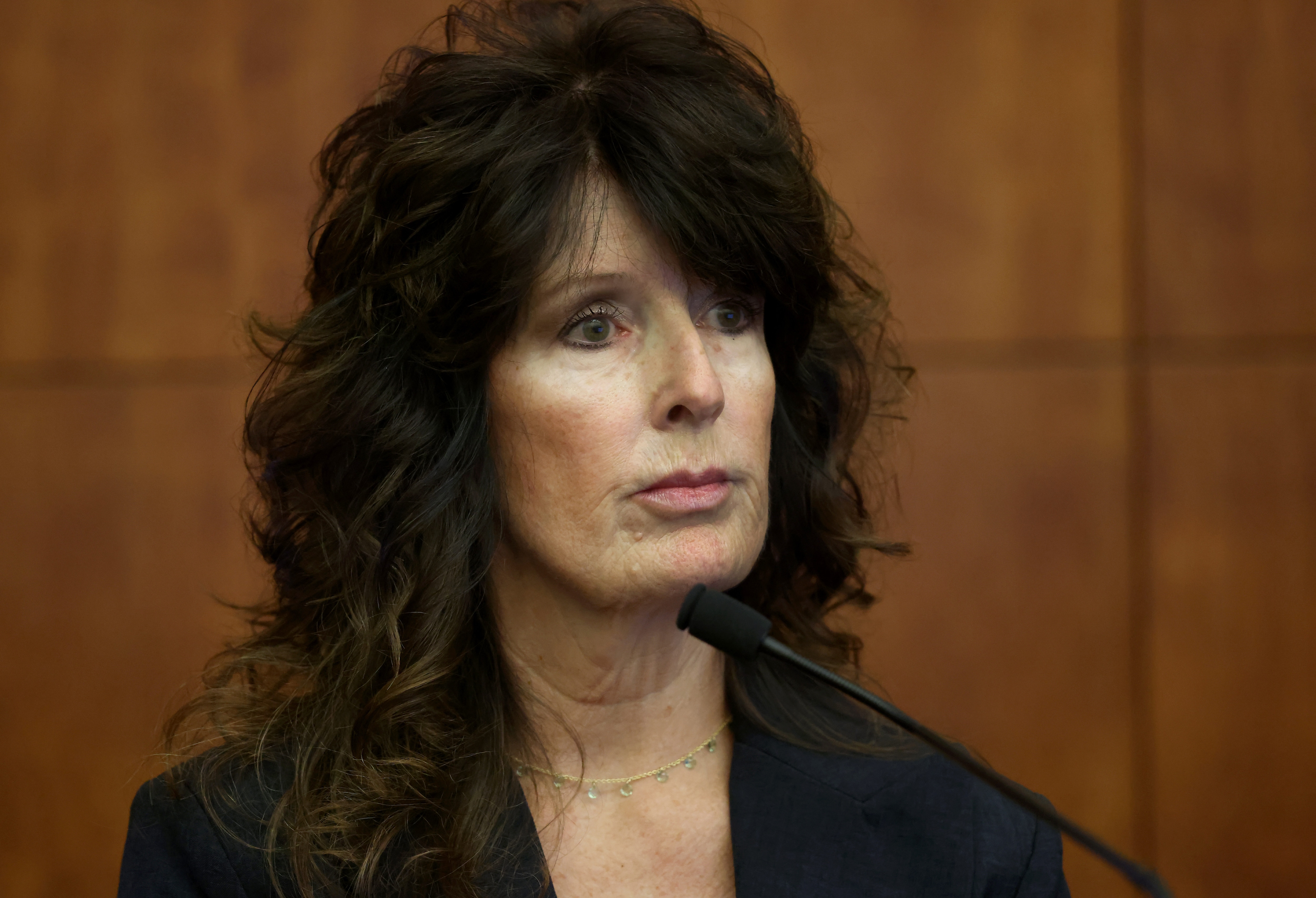
Notably, Lindsay’s lawyers have also argued that she was a loving mother overpowered by her postpartum psychosis.
Rossi told the court about seeing prescription medicines in the house, informing jurors that Lindsay told her about postpartum and troubles with sleeping. She added the mother said she had taken to sleeping in the basement.
Kids’ autopsy photos, hearing about Lindsay
Later in the second week of the trial, jurors were shown autopsy photos of Lindsay’s youngest child, leaving the mother to sob uncontrollably in the courtroom.
Throughout the week, prosecutors also brought more of the Clancy family’s friends, former work colleagues, and relatives to testify about Lindsay’s mental and emotional condition.
Most testimonies indicated that Lindsay was a loving and caring mother, except for her post-childbirth mental health struggles.
Testimonies noted Lindsay appeared normal from the outside, attending all types of events. However, she had reportedly told a friend after the birth of her third child that she was having trouble with sleep and the harmful side effects of her medicines.
Lindsay’s former father-in-law, Christopher Clancy, testified and praised her mothering skills. However, he said he knew she was having issues.
He told the jurors that he even suggested having the grandchildren stay with him and his wife, but Patrick declined.
Lindsay’s psychiatrists testify
Dr Jennifer Tufts, Lindsay Clancy’s original outpatient psychiatrist, along with other providers, testified during the second week.
She told jurors that on January 23, 2023, a day before the killings, Lindsay appeared depressed and told her that she felt no motivation. Lindsay also told her about experiencing heart-racing anxiety.
Prosecutor Jennifer Sprague asked the doctor whether Lindsay told her that she was planning to kill the kids. “No, absolutely not,” Tufts said.
Another psychiatrist, who treated Lindsay during a five-day hospital stay in early January 2023, was also questioned in court. Prosecutors pointed out that Lindsay had denied wanting to hurt anyone else or herself.
However, Lindsay’s lawyers pressed on their claim that several medical providers failed to diagnose and treat her properly.
ALSO READ | Lindsay Clancy trial: Why psychiatrist Jennifer Tufts is under fire, expertise questioned, ‘Box-checking robot’
Tuft testified she first saw Lindsay in September 2022, when she told her about feeling anxious, overwhelmed” by caring for three children and worried about Callan’s refusal to bottle-feed.
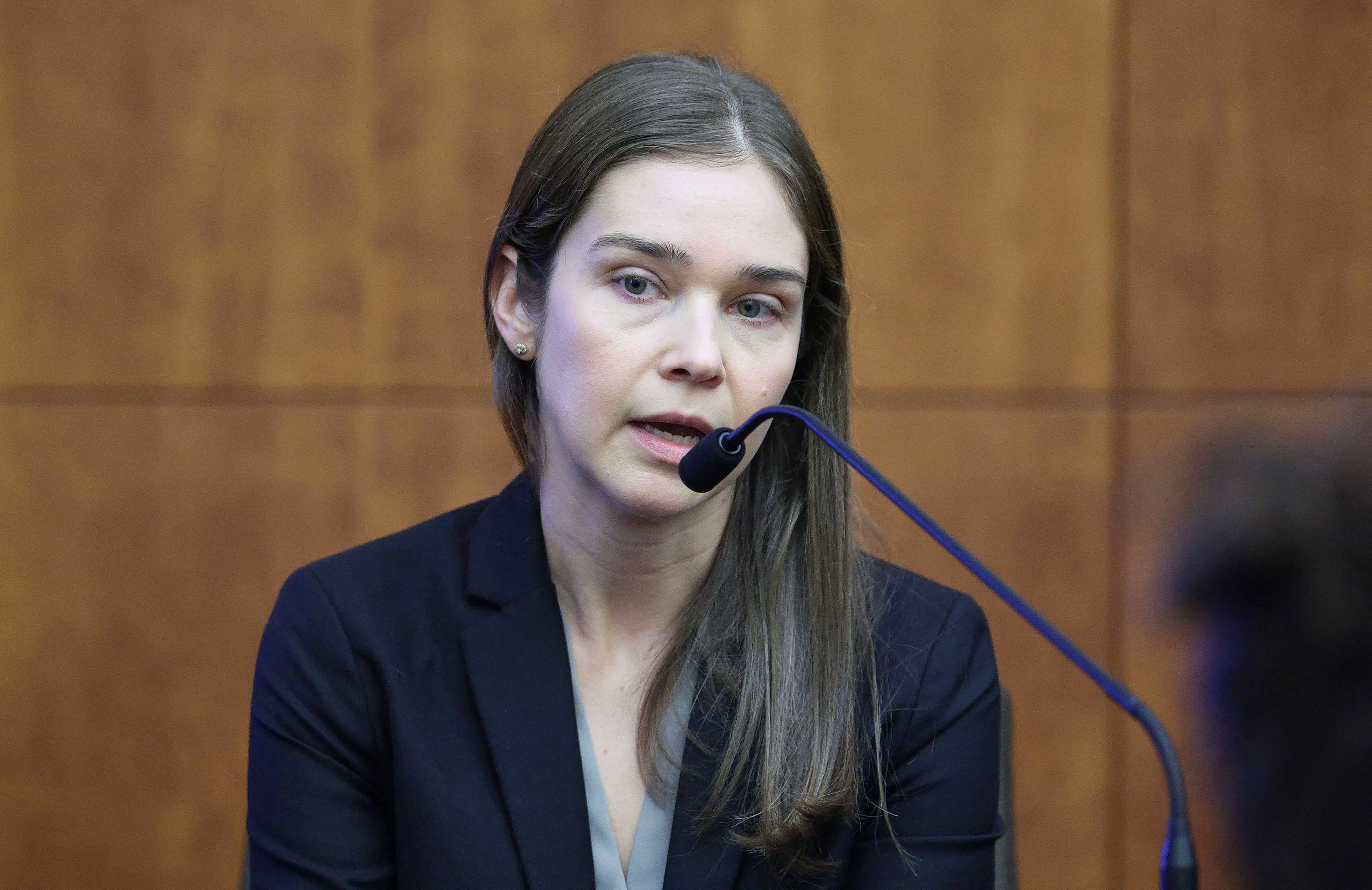
Tufts had diagnosed Lindsay with generalised anxiety disorder and an adjustment disorder with depressed mood, recommending her therapy and an antidepressant, AP reported.
Tufts and others prescribed Lindsay Clancy several drugs over a period of time as she reported increasing symptoms, side effects and doubted whether the medicines were making her worse.
Responding to allegations in Lindsay’s lawsuit, Tufts said she considered a bipolar diagnosis in December 2022 but that did not meet the criteria.
Meanwhile, another provider had considered bipolar disorder and prescribed Lindsay an antipsychotic drug, but her condition only continued to worsen.
Dr Alia Goodheart, psychiatrist at McLean Hospital, also testified. Lindsay checked herself into the hospital by New Year’s Day 2023, reporting that she felt numb and expressed concerns about depending on her medicine to sleep.
ALSO READ | Does Lindsay Clancy remember what happened? Trial reveals what she said after the alleged killings: ‘Is my body broken?’
Goodheart diagnosed Lindsay insomnia and a mental health condition and brought down the antipsychotic.
She told jurors, “She had never stated that she had any thoughts of harming anybody else.” Despite saying she had suicidal thoughts, Lindsay told Goodheart that she didn’t have them in the moment, adding that “her children, her family and her mother” were reasons not to take her own life.
In January 2023, Lindsay saw Tufts by video four more times. At the last call, Tufts adjusted her medication dosages and saw no reason for her to be hospitalised.
Psychiatrist Jennifer Tufts on the stand again
The trial has now entered its third week, and Dr Jennifer Tufts, Lindsay’s original outpatient psychiatrist, took the stand once again on Monday.
Defense lawyer Kevin Reddington portrayed Lindsay Clancy’s care as not common practice in the US mental healthcare system. At one point, he implied that Tufts was a box-checking “robot.”
Discussing an appointment from two months before the killings, Reddington asked Tufts, “What did you do? You had a woman who was telling you she felt hopeless.”
“I told her that this was something we could address, that there was hope, that there are treatments, that there are different types of programs,” Tufts responded.
Reddington asked whether Tufts ever suggested an in-person visit rather than video appointments.
“Talking to her over the video didn’t seem like an issue. It didn’t seem like there was something I was missing,” Tufts replied.
The psychiatrist told jurors that while Lindsay said she was “close” to feeling suicidal, she denied having any plan to take her own life or harm anyone else. “I would have been very concerned if I had heard that,” Tufts said.
Tufts said she doesn’t believe she was negligent with Lindsay’s care.
Nurse-practitioner testifies
Julie Paul, a psychiatric nurse-practitioner and nurse-midwife who specialises in pregnancy and post-pregnancy care, testified in court on Monday, August 10.
Lindsay had consulted Paul briefly in November 2022, with their conversations spanning across 10 days.
Paul told jurors that Lindsay expressed concerns about her medicines. She said that trial-and-error switching is not unusual in psychiatry. Paul went on to say that Lindsay never told her about harmful thoughts.
Lindsay Clancy’s murder trial is underway, and it is unclear when it will conclude.
If convicted, Lindsay faces life in prison without parole. And if found not guilty due to a lack of criminal responsibility, she would not walk free. Lindsay would be committed to a state-run mental health facility.
Disclaimer: If you or someone you know needs help, the national suicide and crisis lifeline in the US is available by calling or texting 988.