

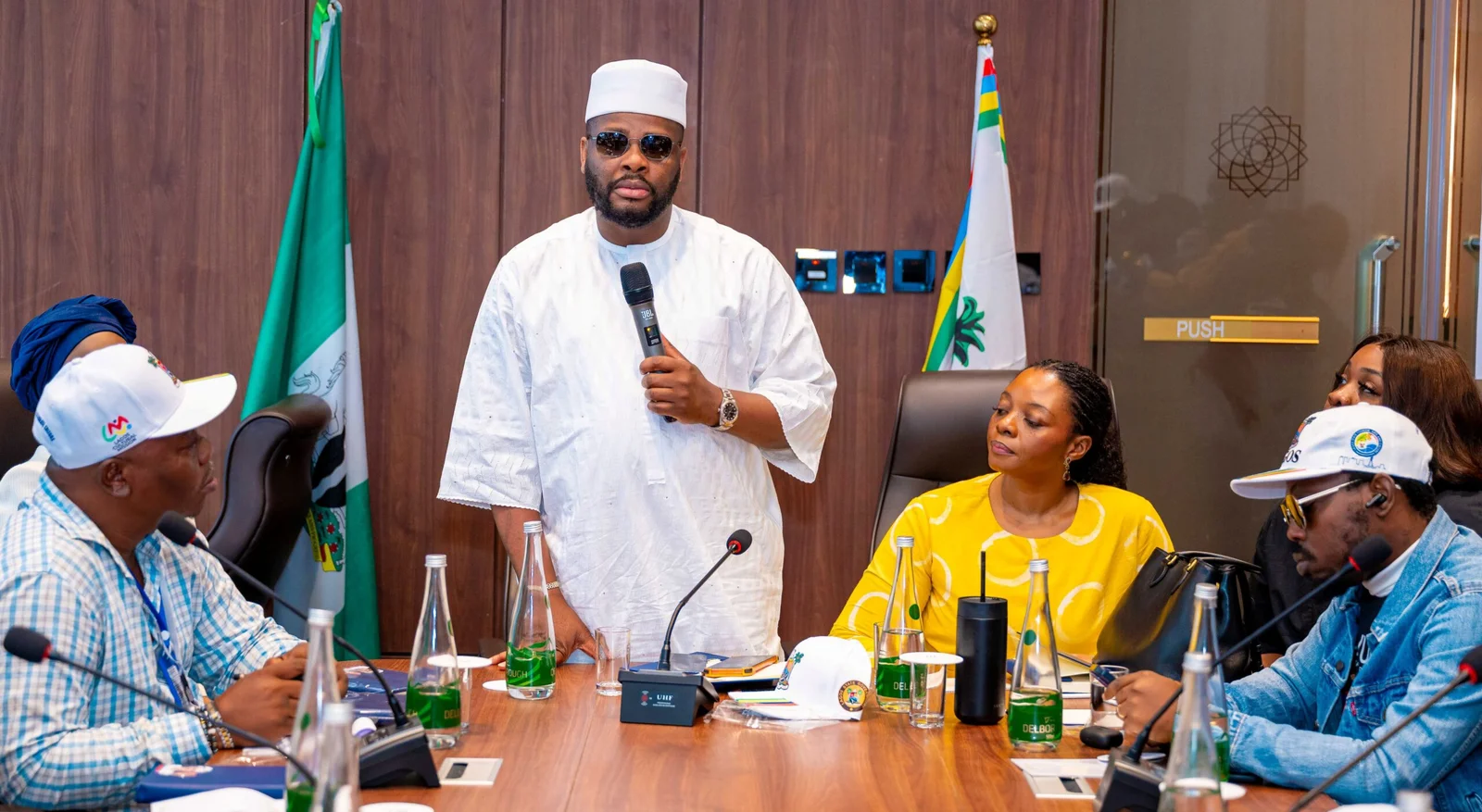
The Lagos State Government has placed local councils at the centre of its renewed drive to unlock the state’s tourism potential, with the Special Adviser to the Governor on Tourism, Arts and Culture, Idris Aregbe, urging councils to identify, develop and promote attractions within their communities.
Aregbe made the call yesterday at a stakeholders’ meeting with representatives of councils and grassroots communities, tagged “Experience The Best of Lagos,” held in the Victoria Island axis of the state.
He said the success of Lagos’ tourism agenda would depend largely on the ability of local councils to discover the attractions within their jurisdictions and work with the state government to package them for visitors.
“My mandate is to ensure that tourism is boosted in Lagos to become the best. We need to continue to create a better environment in the tourism, art, and culture sector,” Aregbe said.
Addressing the stakeholders, he declared: “You are the keys to the door of tourism in your councils,” urging them to become more proactive in promoting tourism assets at the grassroots.
According to him, Lagos’ 20 local governments and 37 Local Council Development Areas (LCDAs) give the state a significant advantage in grassroots tourism promotion.
He said many attractions that communities might consider insignificant could become major tourist destinations when properly identified, packaged and promoted.
Aregbe noted that residents often failed to appreciate the tourism value of places within their communities because they had become accustomed to them, whereas international visitors could regard the same locations as unique experiences.
He urged council authorities to take ownership of tourism facilities and collaborate with the state government to attract visitors to destinations across Lagos.
The Special Adviser said the government was ready to work with the councils to make Lagos a preferred tourism destination throughout the year.
He also disclosed that Lagos was already moving beyond the traditional dependence on December for tourism activities, with visitors increasingly booking hotels months ahead of the ember season.
According to him, some visitors who come to Lagos during the festive period now choose to stay for additional weeks instead of returning immediately after the holidays.
He said the state must build on that momentum and make the 2026 ember season the beginning of a major turnaround in Lagos tourism.
“We need to make the 2026 ember season the beginning of a massive turnaround in the country, particularly Lagos tourism,” he said.
Aregbe stressed that the objective should be to give visitors unforgettable experiences that would encourage them to extend their stay and return to Lagos for future holidays.
He also urged tourism stakeholders to constantly create new experiences, noting that visitors were more likely to return when destinations continued to offer something different.
The Special Adviser further challenged stakeholders to broaden their understanding of tourism, saying the sector went beyond entertainment to encompass commerce, arts, food and other areas of economic activity.
He said the state’s tourism strategy should ultimately ensure that Lagos offered quality experiences to visitors irrespective of their budgets.
The Deputy High Commissioner of Canada, Carlos Rojas-Arbulú, who spoke at the event, supported the call for a more structured approach to developing and marketing Lagos tourism.
Drawing from his two-year experience in Lagos and Nigeria, the envoy described his experience as “transformational,” saying he and his family had discovered an extraordinary city and country.
He said Lagos possessed considerable tourism value that residents might overlook because they were familiar with it, while foreigners could see such everyday experiences as new and attractive.
According to him, Lagos must identify those assets and turn them into tourism experiences that international visitors can understand, access and pay for.
Rojas-Arbulú identified value, structure and narrative as three critical elements required to strengthen Lagos’ international tourism appeal.
“It’s understanding that you hold value; you have to find a way to package it in a way that speaks to that international visitor,” he said.
The Canadian envoy called for better organisation of tourism attractions,
transportation and service providers to make it easier for international visitors to move around Lagos and experience its destinations.
He said tourists were willing to pay for properly organised experiences when there was adequate coordination and structure behind the service.
Rojas-Arbulú also urged Lagos to take control of its narrative by deliberately promoting the positive aspects of the city and Nigeria.
He said international audiences were often exposed to negative reports about Nigeria, creating perceptions that did not adequately reflect the country’s opportunities, creativity and cultural richness.
He urged stakeholders to showcase Lagos’ entrepreneurship, Afrobeats, food, fashion, tourism attractions and creative industry as part of a new narrative capable of connecting emotionally with international visitors.
“But if we speak about the amazing entrepreneurship of this country and the city, we speak about Afrobeats, about the food, about the fashion, about the things that can connect you emotionally to an experience, then we’re telling a different narrative,” he said.
The envoy described Lagos as “a whole world to be discovered,” adding that the state had tremendous talent and experiences capable of attracting more international visitors.
Both Aregbe and the Canadian envoy identified the creative sector, particularly film and digital content, as important tools for projecting Lagos’ tourism potential globally.
Aregbe said film had historically played a major role in shaping perceptions of destinations, noting that American movies had helped create positive global images of the United States.
He argued that Lagos should similarly use film and digital platforms to showcase its transformation, attractions, culture and opportunities.
According to him, some people still viewed Lagos through an outdated lens, despite the significant changes in the state.
“Lagos has a lot to show now,” he said, adding that the state was willing to collaborate with filmmakers, content creators and other stakeholders passionate about tourism.
He also expressed interest in using YouTube and other digital platforms to complement conventional tourism promotion and tell the stories of Lagos communities to wider audiences.
Rojas-Arbulú similarly stressed the importance of storytelling, saying films could help international audiences discover the beauty, creativity and diversity of Lagos.
He expressed willingness to support efforts to promote a more positive image of Nigeria among Canadians and strengthen connections between Lagos and Toronto’s tourism and creative ecosystems.
According to him, such connections could create opportunities for increased tourism, investment and engagement.