

KEY POINTS
- 7,825 Nigerians were kidnapped in one year, a 66% increase from the previous period.
- Confirmed ransom payments rose to ₦7.78bn, though the actual figure may be higher.
- SBM Intelligence warns that ransom payments are helping turn kidnapping into a major funding source for armed groups.
Kidnappers operating across Nigeria collected at least ₦7.78 billion in ransom payments between July 2025 and June 2026, while 7,825 people were abducted during the period, according to a new report by security intelligence firm SBM Intelligence.
The report, which highlights the growing scale of Nigeria’s kidnap-for-ransom crisis, said the number of people kidnapped increased by 66 per cent compared with the previous year.
It also recorded at least 1,142 deaths linked to kidnapping incidents during the 12-month period.
SBM Intelligence said the confirmed ransom figure was conservative because many families and communities do not publicly disclose payments made to secure the release of victims.
The findings underline the growing financial strength of criminal and terrorist groups operating in different parts of the country, as kidnapping continues to affect schools, businesses, transportation, agriculture and public confidence in government.
Boko Haram faction takes 90% of recorded ransom
One of the most striking findings of the report is the concentration of ransom payments among Islamist militants in northeastern Nigeria.
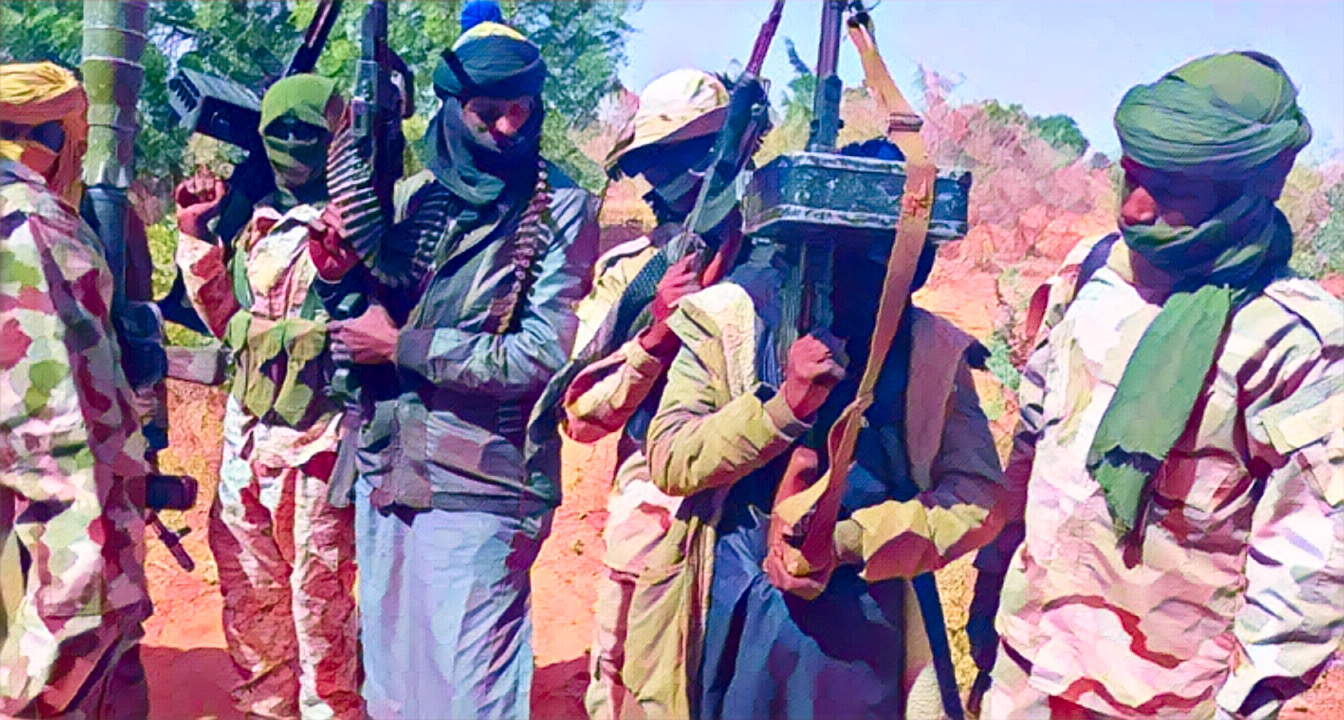
According to SBM Intelligence, a faction of Boko Haram received about 90 per cent of the recorded ransom payments linked to kidnappings in the region.
The group, also known as Jama’atu Ahlis Sunna Lidda’awati Wal-Jihad, was estimated to have received about ₦7 billion, largely from two mass kidnapping incidents in which more than 300 people were abducted in each case.
The figures indicate that kidnapping has evolved beyond isolated criminal activity into a major source of financing for armed groups, particularly those operating in areas where state security presence remains limited.
The report warned that without a strategy specifically designed to make kidnapping financially unprofitable, ransom payments could continue to strengthen the same groups responsible for Nigeria’s wider security crisis.
Although Boko Haram accounted for the largest share of recorded ransom payments in the northeast, SBM Intelligence found that the northwest experienced more kidnapping incidents and victims.
The region has faced sustained attacks by heavily armed criminal groups, commonly described as bandits, who have targeted rural communities, travellers, farmers and schools.
Victims are frequently held for extended periods while their families, communities or other intermediaries negotiate ransom payments.
The continued attacks have also disrupted economic activities, particularly farming, as residents in affected communities are often afraid to travel to their farms or move goods along vulnerable routes.
Mass school kidnappings return
The report also highlighted the renewed targeting of schools, a tactic that became internationally notorious following Boko Haram’s abduction of schoolgirls in Chibok, Borno State, more than a decade ago.
In November, 315 pupils and staff were abducted from a school in Papiri, Niger State.
SBM Intelligence said the incident demonstrated that school kidnappings had returned as a major security threat, with consequences extending beyond the immediate trauma suffered by victims and their families.
The organisation said attacks on schools could have long-term effects on education, farming, local economies and public trust.
Parents who fear that their children could be abducted may become reluctant to send them to school, potentially worsening Nigeria’s already significant education challenges.
Niger State mass abduction raises fresh concern
The report was released shortly after a major mass abduction in Niger State, where as many as 600 women, children and elderly people were reportedly seized following an attack on a mosque.
President Bola Tinubu subsequently ordered security agencies to rescue the victims.
The incident further highlighted the scale and complexity of Nigeria’s kidnapping crisis, particularly in north-central communities that have increasingly come under attack by armed groups.
The government has repeatedly pledged to strengthen security operations and protect civilians, but the latest figures suggest that kidnapping remains a serious national challenge.
Ransom economy becoming a security threat
SBM Intelligence warned that kidnapping should no longer be viewed simply as a conventional criminal problem.
According to the organisation, ransom payments are creating a financial ecosystem that can help armed groups acquire weapons, recruit fighters, maintain operations and expand their territorial influence.
The more profitable kidnapping becomes, the greater the incentive for criminal organisations to continue abducting civilians.
This creates a cycle in which insecurity produces kidnappings, kidnappings generate ransom payments, and those payments potentially provide armed groups with resources to carry out further attacks.
The report therefore called for a coordinated strategy that tackles both the financial incentives behind kidnapping and the conditions that allow the criminal networks to thrive.
Government faces growing public pressure
The surge in abductions is likely to remain a major political issue ahead of Nigeria’s next general elections.
President Bola Tinubu came into office promising to address the country’s insecurity, but the continued frequency of mass kidnappings has raised questions about the effectiveness of existing security measures.
Beyond the immediate loss of lives, the crisis is damaging public confidence in the government’s ability to protect citizens.
It is also affecting economic activity, education and rural livelihoods, while families forced to raise ransom payments face significant financial hardship.
SBM Intelligence said Nigeria risks allowing kidnapping to become permanently embedded as an organised criminal industry and a financing mechanism for groups that threaten national stability.
The consultancy’s findings were compiled from media reports, interviews and publicly available information. It stressed that the actual amount paid in ransom could be substantially higher because many payments are never reported or publicly confirmed.
The report therefore presents only a partial picture of the financial scale of Nigeria’s kidnapping economy, with the true value of ransom payments potentially far greater than the ₦7.78 billion documented during the period.