

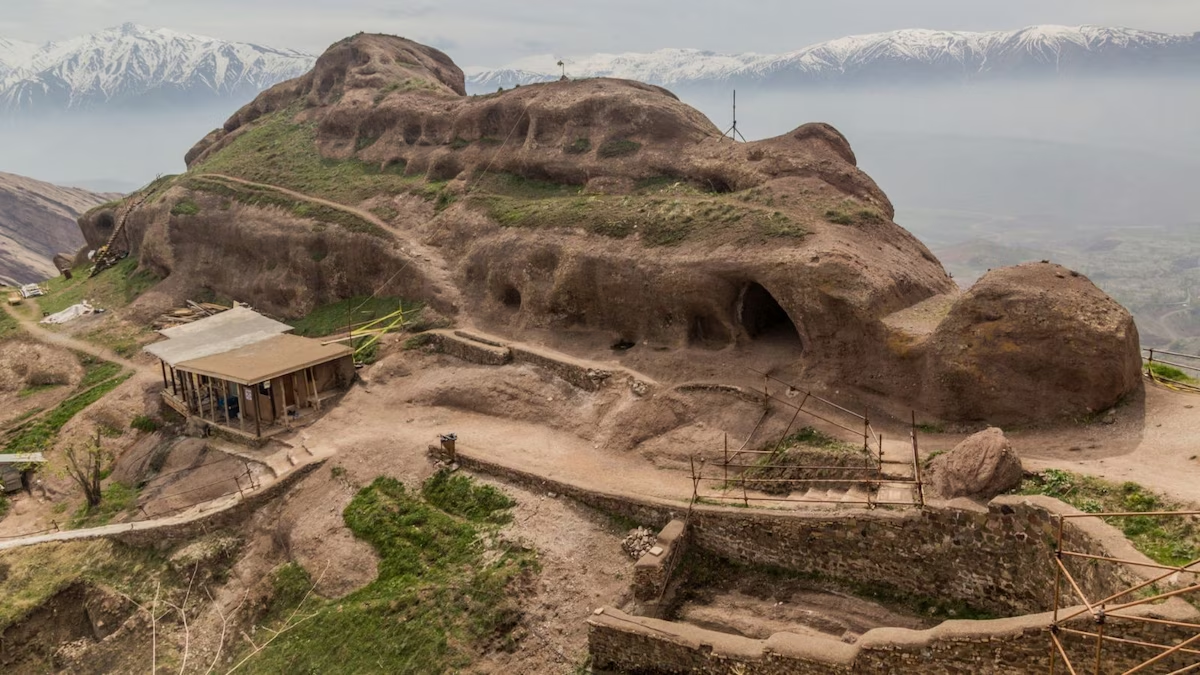
Iran has strengthened its place on the global cultural map after UNESCO added the historic Alamut Castle and six related medieval fortresses in Qazvin…
 1/10
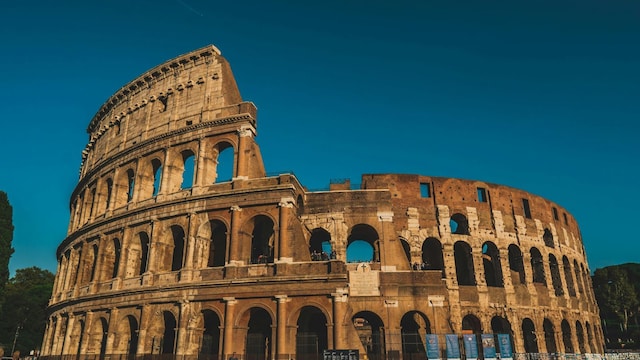
1/10Italy: Italy tops the world with 61 UNESCO World Heritage Sites. Its collection includes iconic landmarks such as Rome’s Historic Centre, Venice and its Lagoon, Pompeii and the Dolomites. The country’s rich Roman, Renaissance and medieval heritage, combined with remarkable natural landscapes, has helped it maintain the world’s highest number of UNESCO listings. (Image: Canva)
 2/10
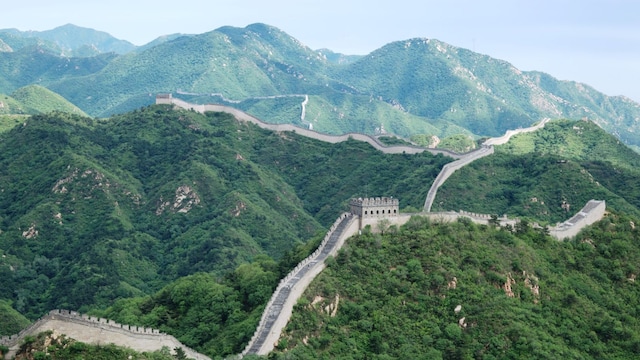
2/10China: China ranks second with 60 UNESCO World Heritage Sites. Its diverse list features the Great Wall, the Forbidden City, Mount Huangshan and the Sichuan Giant Panda Sanctuaries. The sites showcase thousands of years of history, imperial architecture, archaeological treasures and some of the world’s most important natural ecosystems. (Image: Canva)
 3/10
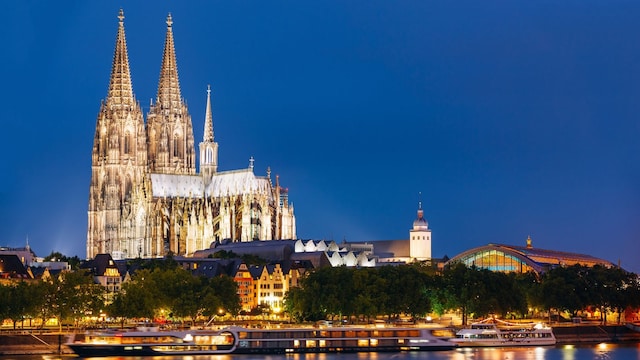
3/10Germany: Germany has 55 UNESCO World Heritage Sites, spanning historic cathedrals, industrial landmarks and natural landscapes. Highlights include Cologne Cathedral, the Bauhaus Sites, the Upper Middle Rhine Valley and the Wadden Sea, reflecting the country’s architectural innovation and cultural evolution. (Image: Canva)
 4/10
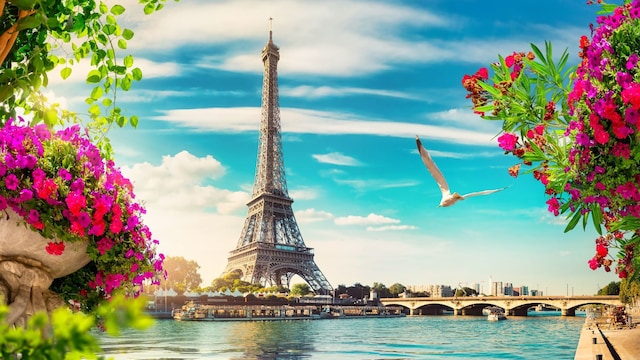
4/10France: France is home to 54 UNESCO World Heritage Sites. The list includes the Palace of Versailles, Mont-Saint-Michel, the Loire Valley and the historic banks of the Seine in Paris. These sites reflect France’s artistic, architectural and historical influence across centuries. (Image: Canva)
 5/10
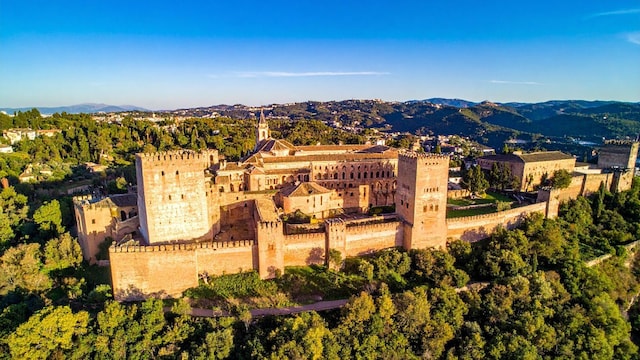
5/10Spain: Spain has 50 UNESCO World Heritage Sites, ranging from Roman monuments to Moorish palaces and modernist masterpieces. The Alhambra, Antoni Gaudí’s architectural works, Toledo and Santiago de Compostela are among its best-known UNESCO-recognised landmarks. (Image: Canva)
 6/10
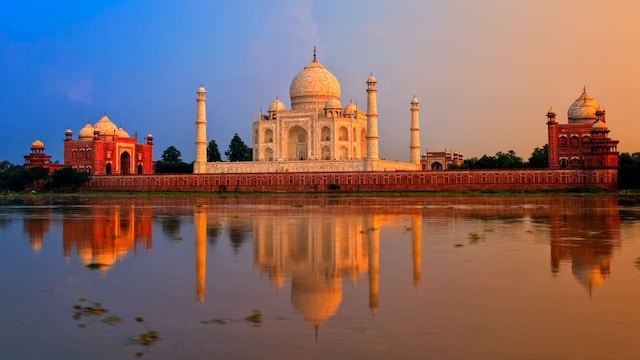
6/10India: India has 44 UNESCO World Heritage Sites, representing its diverse cultural and natural heritage. The list includes the Taj Mahal, Jaipur City, Hampi, Kaziranga National Park and the Western Ghats, reflecting centuries of history, architecture, biodiversity and living traditions. (Image: Canva)
 7/10
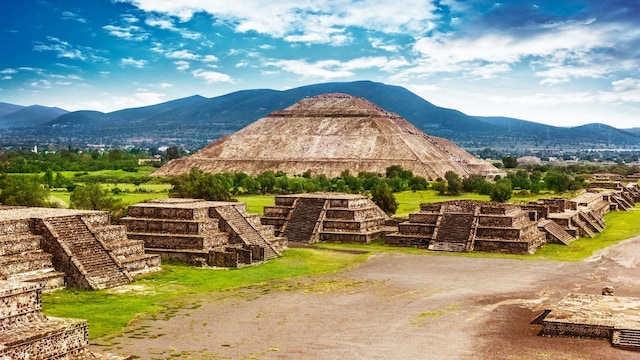
7/10Mexico: Mexico shares seventh place with 36 UNESCO World Heritage Sites. Its recognised locations include Chichen Itza, Teotihuacan, the Historic Centre of Mexico City and the Monarch Butterfly Biosphere Reserve, highlighting the country’s ancient civilisations and ecological richness. (Image: Canva)
 8/10
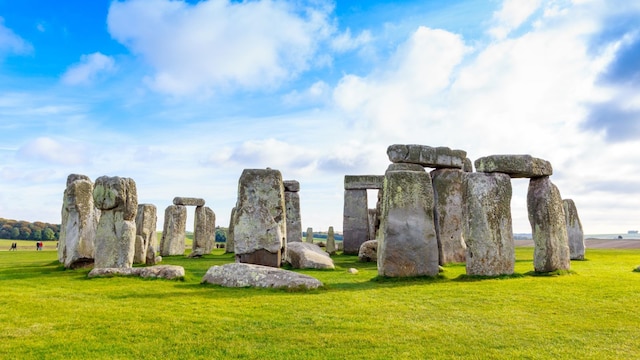
8/10United Kingdom: The United Kingdom also has 36 UNESCO World Heritage Sites. From Stonehenge and the Tower of London to the Giant’s Causeway and the English Lake District, its listings cover prehistoric monuments, royal history and outstanding natural beauty. (Image: Canva)
 9/10
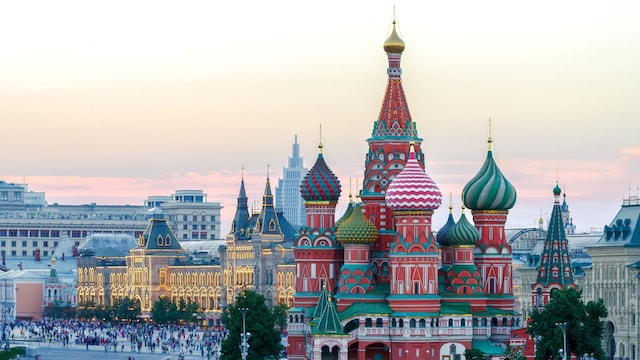
9/10Russia: Russia has 33 UNESCO World Heritage Sites. Its list includes the Kremlin and Red Square, Lake Baikal, the Historic Centre of Saint Petersburg and the Volcanoes of Kamchatka, reflecting the country’s vast cultural heritage and diverse natural landscapes. (Image: Canva)
 10/10
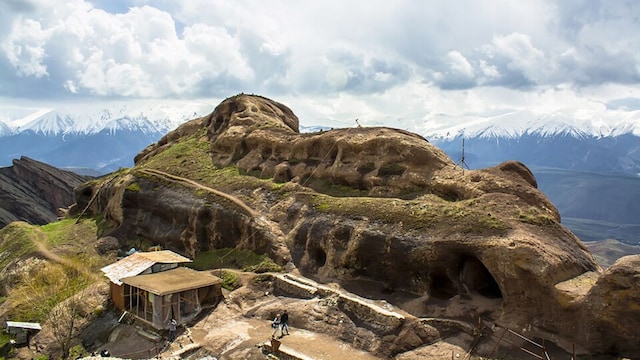
10/10Iran: Iran enters the world’s top 10 with 30 UNESCO World Heritage Sites following the inscription of Alamut Castle and six related medieval fortresses in Qazvin Province. UNESCO says the fortress network served as the political, military and intellectual centre of the Nizari Ismailis from the late 11th century. The new listing is expected to boost cultural preservation and tourism. (Image: Wikimedia Commons)