

Whether you rent an apartment or own a house, it’s essential to consider how your design choices allow you to make the most efficient use of your space.
So, Business Insider asked interior designers for tips on the best and worst ways to take advantage of extra space in your home.
Declutter your closet by efficiently storing clothes you don’t need
Mark Cutler, an interior designer at CutlerSchulze, told BI that he recommends storing clothing you don’t regularly wear separately rather than cluttering your closet.
For example, you can also swap your clothes out seasonally and store not-often-worn items, like wedding-guest dresses, in another spot.
“Just because you have a large closet, it does not mean you have to fill it or occasionally purge,” Culter said. “Having all that extra space means you should be able to space out your wardrobe.”
He suggested using vacuum bags that can fit under the bed since they’re protective and easy to tuck away.
Consider adding more shelving to your space, especially if you love books
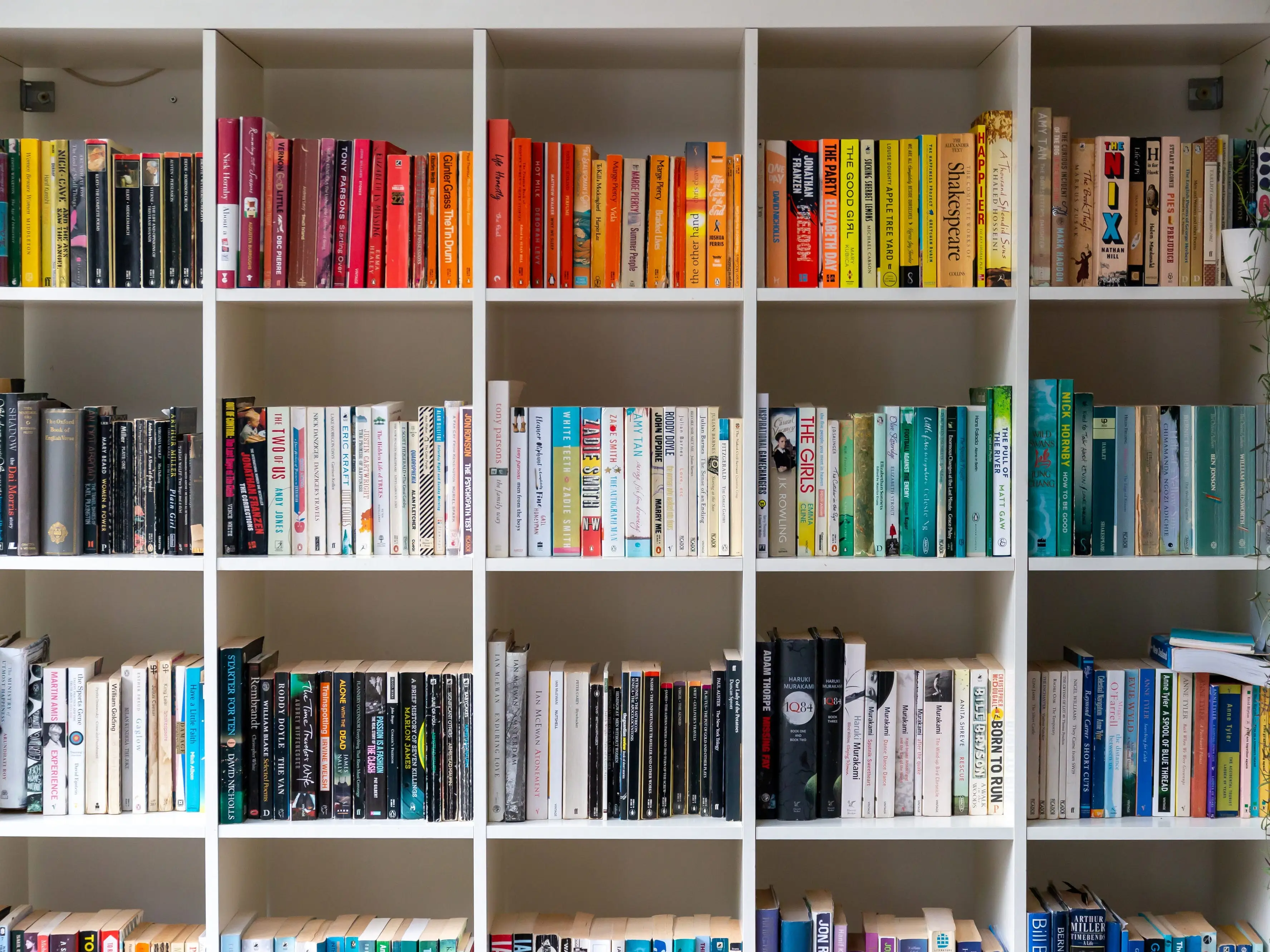
Different people have specific needs for their space, so avid readers may require a place to store more books efficiently, said Betty Brandolino, founder and creative director of design firm Fresh Twist Studio.
Shelving units with cabinets or drawers at the bottom can be especially versatile.
“Bookshelves can add extra storage space by incorporating lower cabinets, and we utilize baskets as hidden storage on a bookshelf,” Brandolino said.
When styled correctly, these shelves can also be beautiful centerpieces in a room.
“We love to style bookshelves with decor items, baskets, picture frames, and, of course, books. It’s all about scale, color, and texture,” she added.
She said that you can even add wallpaper to the back of the bookcase for “extra definition” or a pop of color.
Turn the extra floor space near your bedroom window into a meditation nook
Primary suites often feel like they have a lot of extra space for more shelving and furniture. However, Amanda Oninski, an interior designer at FLOOR360, suggested creating a meditation area with a rug instead.
“The area rug can be selected to match the rest of the decor and custom cut to fit the designated space,” she said. “The area rug serves as the floor cushion to relax.”
Oninski also recommended installing window treatments in the space to adjust the lighting and create a soothing mood.
Add visual interest that isn’t furniture to your space
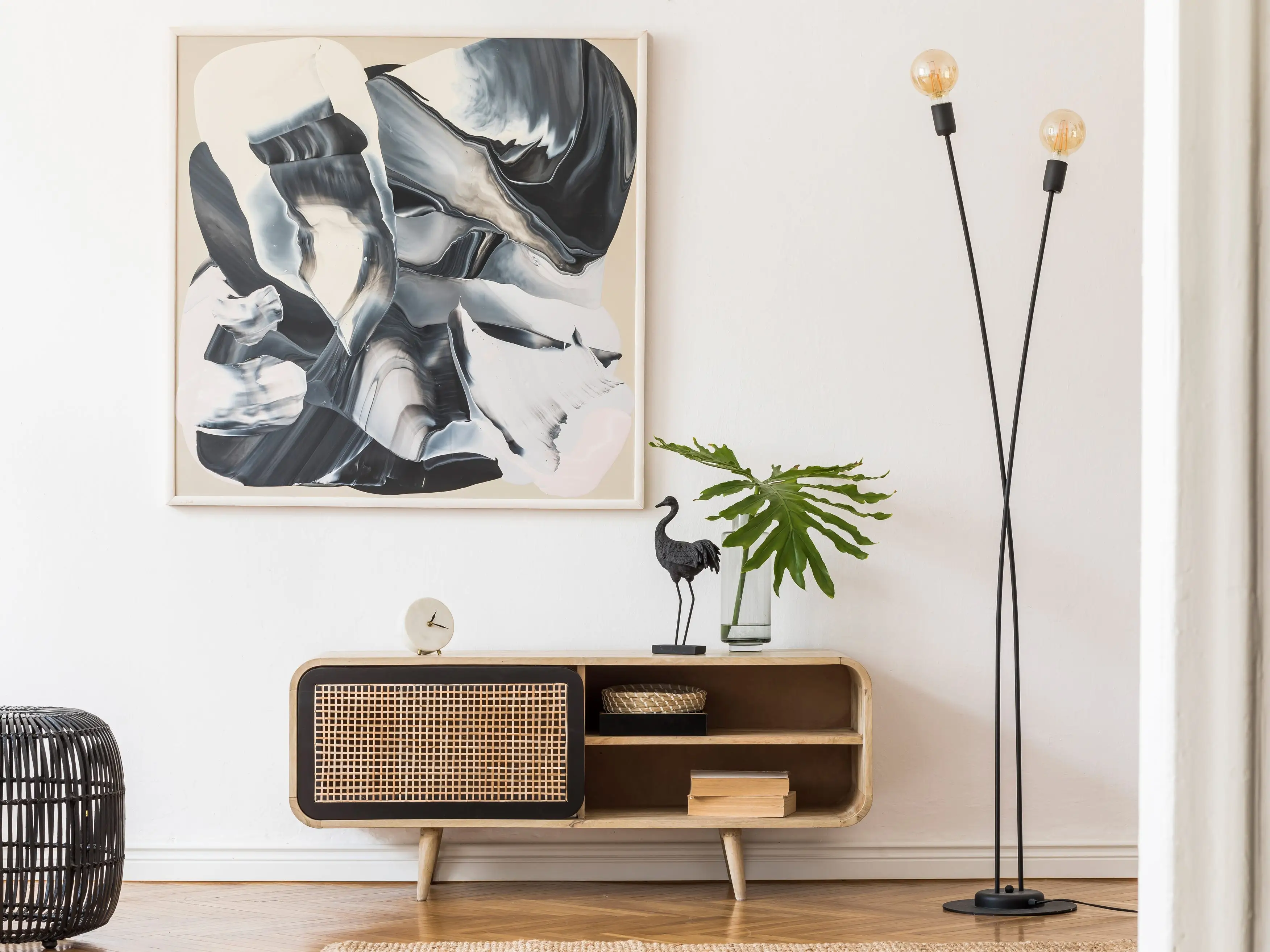
Charli Hantman, owner of luxury firm August Black Interior Design, said it can be tempting to fill your extra space with additional large pieces of furniture — but there are other options worth considering, like wall art and sculptures.
“Extra space doesn’t necessarily have to be filled corner to corner. It’s nice to have a variety of things to look at to create depth and visual interest,” Hantman said. “I love finding art and wall sculptures that work together but have their own personality.”
For example,gallery walls can be a stylish and eclectic way to bring unique pieces to a room without adding more furniture.
Put the space under your stairs to work
Interior designer Brenna Morgan told BI that the space under neath a staircase is a great place for added storage that’s often forgotten.
“People typically avoid using it because it isn’t a ‘walk-in’ space and has awkward angles,” Morgan said. “[But] I have seen drawers and cabinets installed. I have seen it hollowed out to allow for a dog house. I have seen it used for wine storage.”
Morgan advised using careful measurements and working with the odd shapes and angles of your stairs to best incorporate extra storage.
On the other hand, defining extra space with permanent features can lower the resale value
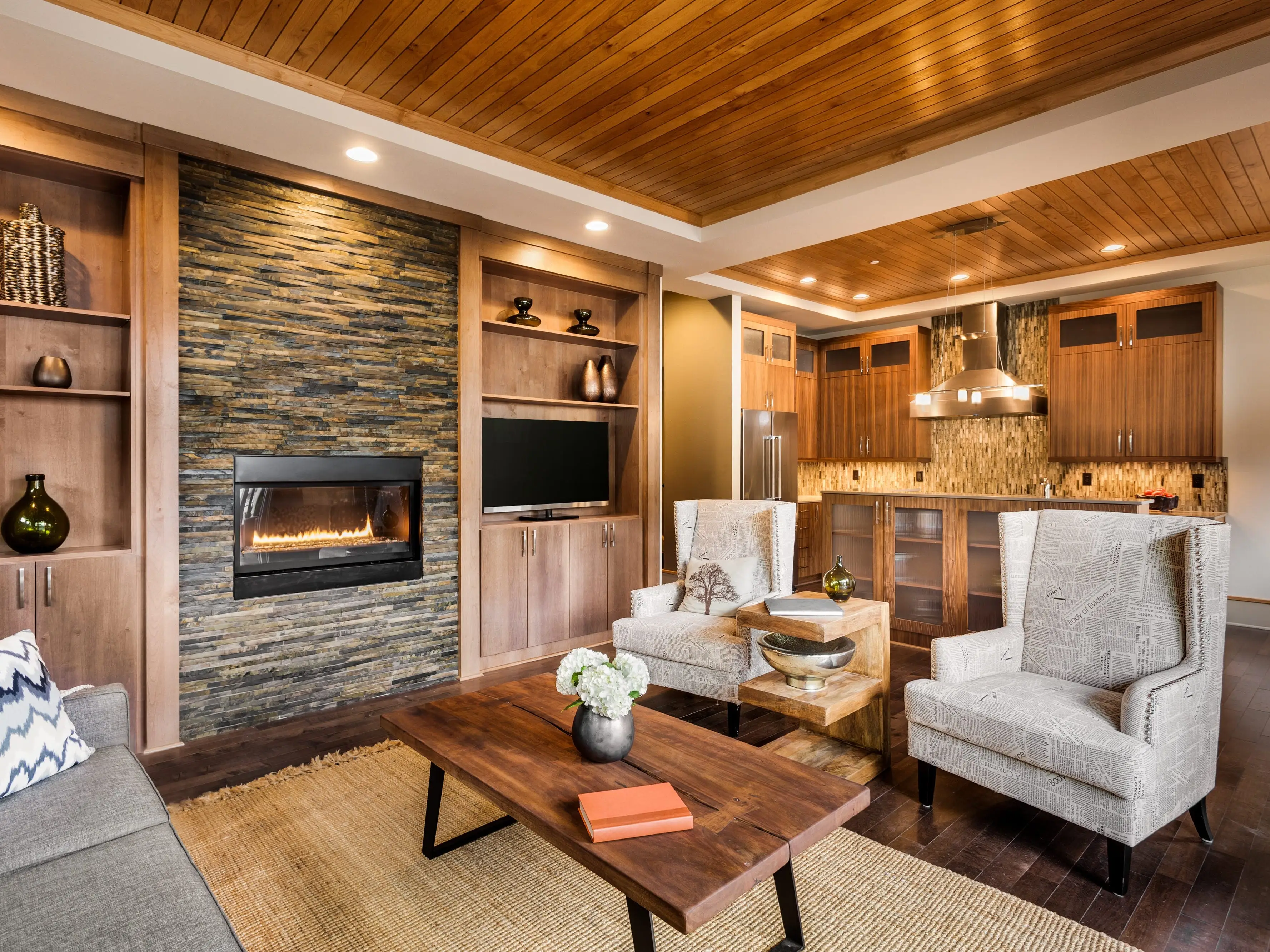
Although it can be tempting to permanently tailor your space to your needs, Renee Croome, a designer at Northeast Kitchen and Flooring Center, advised against built-in furniture.
“In a bonus room, I’ve seen a homeowner use cabinetry to build in a custom hobby or craft area,” she told BI. “Although it was a beautiful space for crafting, the room didn’t have the same versatility it would have if they had simply used furniture pieces instead of built-in cabinetry.”
Croome added that a permanently customized space is “not always the best option for resale value,” so consider temporary or movable options first.
Avoid adding single chairs as filler
Hantman told BI one of her interior-design pet peeves is seeing single chairs placed in small, empty spaces without a purpose.
“A chair can be placed just for visual appeal, but it should be surrounded by some other element like a lamp or a side table, to create a ‘moment,’” Hantman said. “If it’s only going to clutter the space and doesn’t add any value to conversational seating, it will only make the space feel smaller and incohesive.”
The designer added that empty corners are OK since they allow the eye to focus on the more interesting pieces in the room.
Don’t use your empty space without some sort of plan
Designer and stylist Heather McKeown of Land and Sky Designs told BI that “one of the worst ways to go about using extra space is to be a man without a plan.”
“A room without a sense of purpose or organization is like a lost ship at sea, floating aimlessly in the waves waiting for a storm to hit,” McKeown said. “In this scenario, you are the storm, and the chaos of disorder is that lack of direction.”
Without a clear vision, rooms can become a cluttered, stressful mess, according to the design pro.
So, before tackling your extra space, think about what function your home is missing and ways it could serve you better. Maybe you need extra toy storage, or your family could benefit from having a bench by the entryway for putting on shoes.
When it comes to using extra space, focus on what could work best for your household.
This story was originally published in September 2021 and most recently updated on August 3, 2026.
Read the original article on Business Insider