

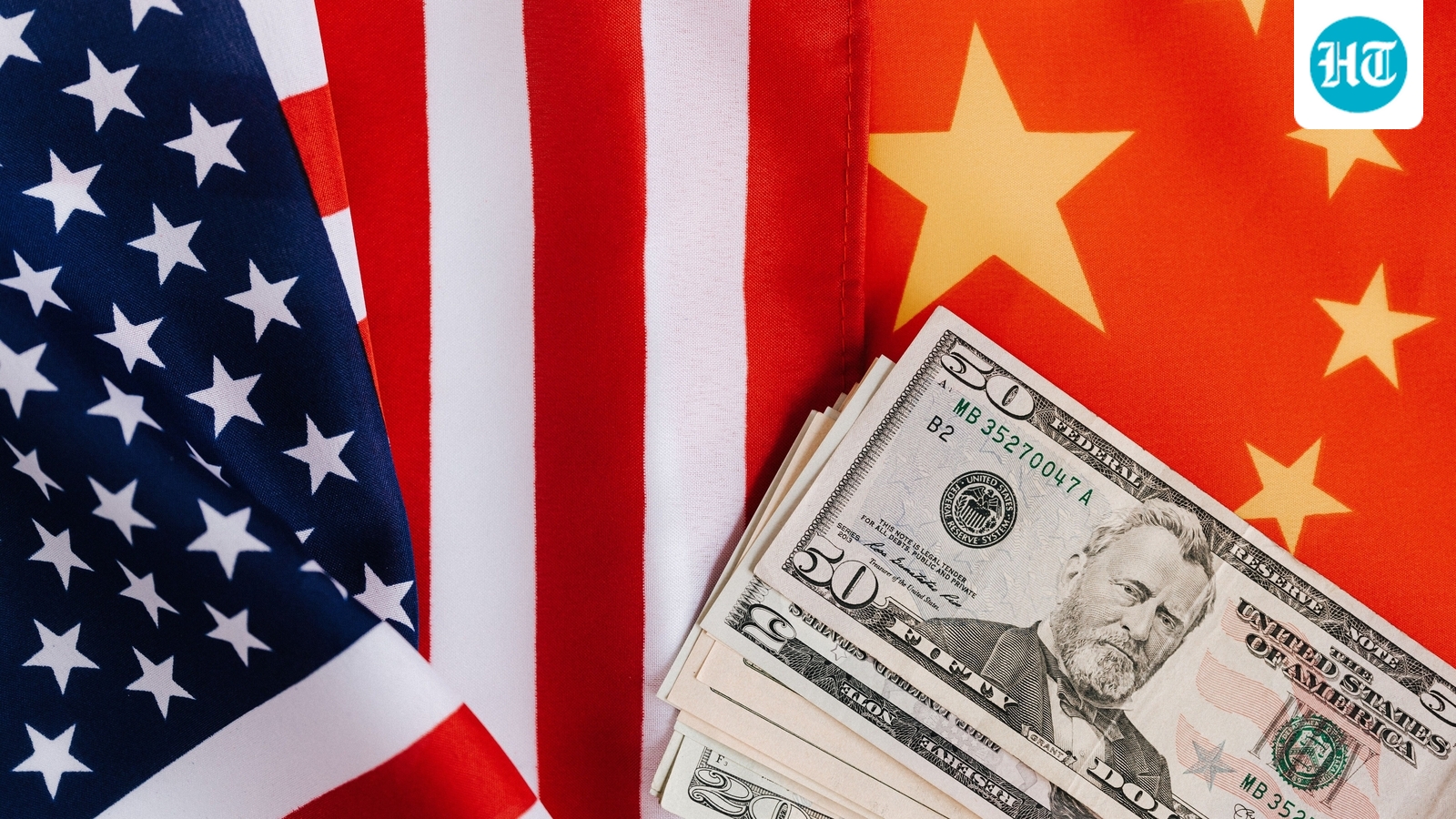
The US trade deficit in goods and services fell to $73.3 billion in June, as the country imported fewer foreign computers and medicines. The latest data showed that both US imports and exports fell in June after a busy May, according to the Commerce Department. The trade deficit measures the gap between what the US buys from other countries and what it sells to them.
US exports fall in June
US imports fell 1.8% from May to $388 billion in June. Imports of foreign computers and pharmaceuticals declined during the month. However, imports from Mexico, Vietnam and South Korea reached record levels, showing that American companies were still buying large amounts of goods from several foreign markets, according to New York Times.
US exports fell 0.9% to $314.7 billion in June, according to data released by the Commerce Department on Tuesday. The decline came after a strong month for exports in May. One major reason was petroleum. US petroleum exports had reached a historic high in May but fell back in June.
Because imports fell more than exports, the overall US trade deficit became smaller. The goods and services trade deficit fell 5.6% from May to $73.3 billion in June. But the smaller deficit does not necessarily mean that US trade has suddenly become much stronger. Several temporary factors affected the numbers.
While goods trade weakened, the services side of the economy was much stronger. Both US services exports and services imports hit record levels in June, according to the Commerce Department data. Services include areas such as tourism, travel and other services bought and sold across borders.
Tourism lifts US exports
Economist Diane Swonk, chief economist at KPMG US, said the rise in services exports was partly linked to more tourists coming to the United States. She described this as a “World Cup effect”, New York Times. When foreign visitors travel to the US and spend money on hotels, restaurants, transportation and other services, that spending is counted as an US services export. Swonk joked that this also includes foreign visitors buying things such as ranch dressing while they are in America.
Also read: Why is the US planning to ban new Chinese data center models? Trump targets AI security risks
The World Cup effect is important because trade is not only about physical products such as computers, cars or medicines. When people from other countries visit the US and spend money on American services, that money is also counted as an export. So, the increase in international tourism helped push US services exports to a record level in June.
US imports stay strong
Despite the 1.8% monthly decline, Swonk said imports were relatively strong in June. She said companies were trying to buy foreign goods before another round of US tariffs took effect. That means some businesses may have been rushing to bring products into the country before tariffs made those imports more expensive.
Another factor that reduced the trade deficit was large US gold exports, Swonk said. Gold exports can change sharply from one month to another, meaning they can have a significant temporary impact on the trade numbers. So, June’s smaller deficit was partly helped by gold exports and does not necessarily represent a permanent change in the US trade picture, according to New York Times.
Trump tariffs target trade gap
The Trump administration has made reducing the US trade deficit a major economic goal. The administration views a large trade deficit as a sign of weakness in American manufacturing. To reduce imports and encourage domestic production, the administration has used steep tariffs on foreign goods.
On July 24, the Trump administration imposed a new round of tariffs on goods from more than 80 countries. The move was aimed at rebuilding a tariff system after the Supreme Court overturned earlier tariffs imposed by the administration. The broader goal is to make imported goods more expensive and encourage companies to manufacture more products in the United States.
Trade deficit falls 34% this year
Looking at the first six months of the year, the US goods and services trade deficit is down about 34% compared with the same period last year, as noted by New York Times. At first glance, that appears to be a major improvement. But the reason for the large decline is more complicated.
The sharp year-to-date decline is largely linked to a massive increase in imports during the first few months of President Trump’s second term. Companies rushed to bring goods into the US before the administration’s initial tariffs took effect. That created an unusually large import spike early in the year. Because those imports were so high at the start of the year, later trade figures look much smaller by comparison.
US trade gap remains large
When compared with the period before Trump returned to office, the improvement is much smaller. The average monthly US trade deficit in goods and services has been about $69 billion during the 17 months since Trump returned to the White House. That is only around 6% lower than the average monthly deficit during the 17 months before his second term began.
China imports fall as other imports rise
Trade with China has changed, but imports from other countries have increased. Imports of goods from China have fallen compared with pre-Trump levels, Rupkey said, according to New York Times. However, imports from countries including Malaysia, Vietnam and Mexico have increased. This suggests that some US companies may be changing where they source products rather than simply stopping foreign purchases altogether.
Since Trump took office, imports of some products have fallen. But American demand remains strong for several important foreign-made goods. These include chips needed for data centers, medicines and other products. The continued demand for these products has made it harder to sharply reduce imports.
Also read: What is Truth API? Trump media’s controversial $100,000-a-month tool giving Wall Street fast access to Trump’s posts
Many products used in data centers, including expensive foreign chips, have been exempt from tariffs since April. This is important because the US is spending heavily on artificial intelligence and data center infrastructure. Strong demand for these chips means companies continue to rely on foreign suppliers for some of the equipment needed to build data centers.
Iran war affects US oil trade
The war in Iran has created another major factor affecting US trade. The closure of the Strait of Hormuz disrupted supply chains for products including oil, fertilizer, packaging materials and helium. The disruption also helped increase US petroleum exports.
The value of US oil exports jumped sharply in May. This happened as oil prices increased while the Strait of Hormuz was closed. Higher oil prices meant that the value of US petroleum exports also rose. That helped support US exports and affected the overall trade deficit. The situation changed in June after the Strait of Hormuz reopened. Oil prices fell, which reduced the value of US petroleum exports. As a result, US oil exports dropped from their record level in May.
The World Trade Organization said last week that disruptions caused by the war were likely to put more pressure on global trade growth in the second quarter. However, global trade had remained relatively strong during the first quarter. The WTO said a surge in trade of electronic components needed for artificial intelligence helped offset some of the negative impact from the war, as stated by New York Times.
What does the World Cup have to do with the trade deficit?
The World Cup did not directly reduce America’s trade deficit by making the US export more physical goods. Its impact came mainly through tourism and services. Foreign visitors coming to the US spend money on hotels, restaurants, transport and other American services. That spending is counted as a US export, as cited by New York Times. So, the World Cup helped boost the services export side of America’s trade figures.
The June trade deficit was shaped by several different factors at the same time. Imports of computers and medicines fell, while imports from Mexico, Vietnam and South Korea reached record levels. Petroleum exports also declined after hitting a record high in May. At the same time, tourism helped push services exports to a record level, while large gold exports also reduced the trade gap.
Companies also rushed to buy foreign goods before new tariffs took effect, while demand for foreign chips and medicines remained strong. The Iran war and the closure of the Strait of Hormuz also disrupted trade and supply chains. Together, these factors helped bring the US trade deficit down to $73.3 billion in June.
The June figure shows that the US trade deficit has fallen, but it has not disappeared. The sharp year-to-date decline is partly explained by the unusual import surge earlier in Trump’s second term. Compared with the period before Trump returned to office, the average monthly deficit has fallen by only about 6%. The World Cup-related rise in tourism gave US services exports an extra boost, but the overall trade picture continues to depend on tariffs, imports, energy prices, global supply chains and American demand for foreign products.