
How Green Policies Fuel Fires In Europe

Fires have been wreaking havoc across France and Spain, as they often do when conditions are dry and wind is high. But it wouldn’t be a weather-related tragedy these days if someone didn’t blame climate change. The tragic irony is that Europe’s environmental policies are making such wildfires more likely and more devastating.

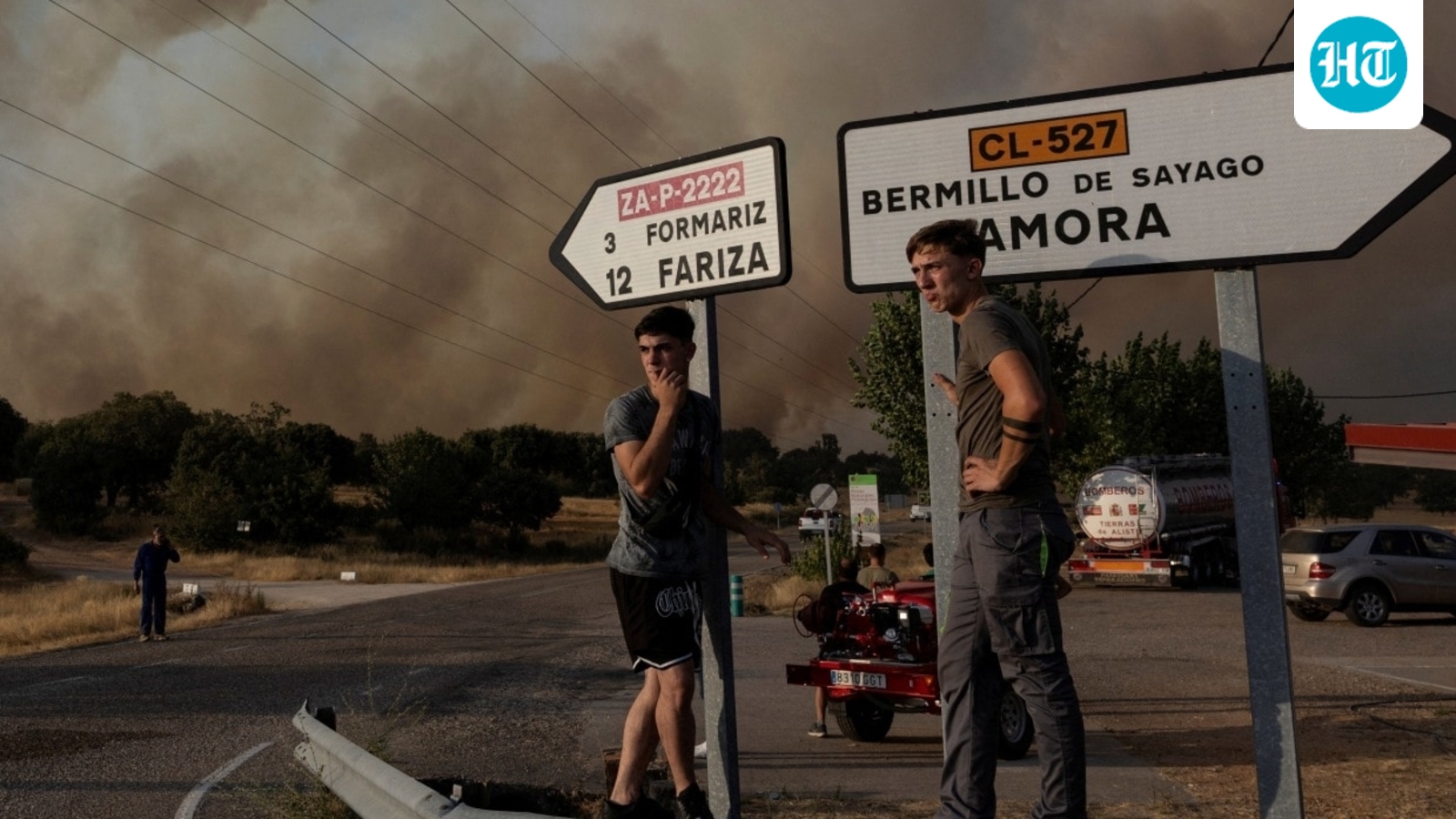
Locals watch the fire near Formariz during a wildfire in Zamora province, Spain

Under its Green Deal and related policies, the European Union is designating 30% of the continent as nature-protected by 2030. Goals include increasing the amount of deadwood and the density of tree cover in forests. Whatever their environmental merit, such measures increase the amount of highly flammable fuel for fires, make it easier for blazes to spread and harder to extinguish.

The EU also wants at least a third of this protected land to fall under “strict protection,” which means it will be left “essentially undisturbed from human pressures and threats,” according to European Commission guidance. It allows for some natural disaster prevention measures, but only “when such activities are compatible with the conservation objectives of the areas on the basis of a case-by-case assessment,” the guidance says.

Ranchers and farmers in Spain and France have historically managed their land to mitigate the risk of megafires. But the EU’s regulations have made it harder for small farms to survive across Europe, accelerating a rural exodus. Red tape often hinders those who remain from carrying out preventive actions like controlled burns.

“Environmental legislation has not been based on the science of ecology, or on forestry,” says Víctor Resco de Dios, a professor of forestry at the University of Lleida in Spain. “I think it’s been based on ideology, on a Walt Disney view of the world with Bambi, where you see human beings as inherently bad” for the environment. But “when you remove humans out of it, what happens is you get more fuel, and then you get worse fires.”

In a paper last year for the Journal of Environmental Management, Mr. Resco de Dios and co-authors looked at fires in the temperate forests of southwestern Europe, including Spain, France and Portugal. They found that protected areas constitute 38% of the forest land but 55% of the burned area in recent fires.

They also reported that in Australia, California and southwestern Europe, fires burned more intensely on protected lands, which makes them more dangerous to nearby residents and more damaging to natural habitats. This explains some of the fires that have done so much damage in recent years to residential areas in the American West.

The European Forest Fire Information System publishes maps and data, updated daily, on the current blazes. They show considerable overlap between the protected nature areas in Spain and France and the wildfires. That suggests in addition to the vagaries of weather, a policy failure.

Blaming climate change is the default explanation these days for any natural disaster, but Europe’s costly solutions will make little difference to global temperatures. Better forest management and fire prevention can make a difference, however. And they would reduce the CO2 emissions from fires that now overwhelm much of the reduction from electric vehicles or other climate nostrums.