

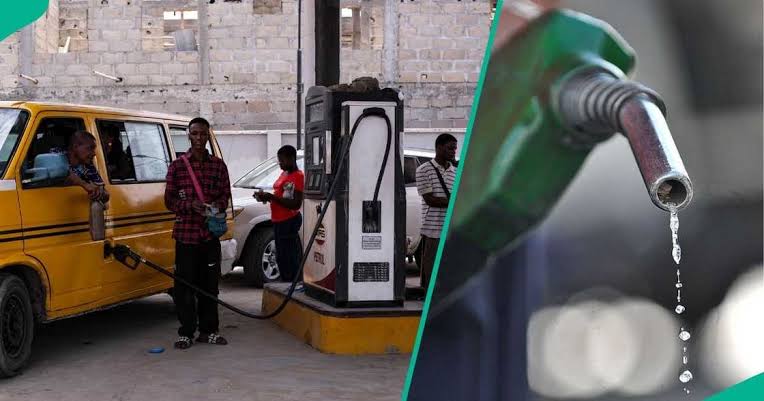
Nigerian motorists are beginning to feel the impact of recent reductions in domestic petrol prices as filling stations across Abuja and its environs have cut the pump price of Premium Motor Spirit (PMS) by between N35 and N90 per litre.
Checks at filling stations operated by MRS, the Nigerian National Petroleum Company Limited (NNPCL), AA Rano, Nigerian Independent Petroleum Company (NIPCO), Emedab and other marketers showed that petrol was selling between N1,210 and N1,275 per litre as of August 20, 2026.
The prices represent a significant decline from the N1,305 to N1,335 per litre range recorded at the same stations as of July 31.
The latest adjustments mean that petrol pump prices have fallen by at least N35 per litre within the first 20 days of August, with some stations recording reductions of as much as N90 per litre.
The development followed Dangote Refinery’s reduction of its gantry price for PMS by N45 per litre, from N1,210 to N1,165 per litre.
The refinery’s lower ex-depot price has increased the pressure on other suppliers and marketers to adjust their pump prices amid changing market conditions.
READ ALSO; Breaking: NNPCL reduces pump price of petrol as competition intensifies
Dangote Refinery’s petrol is also currently N53.54 per litre cheaper than imported PMS, whose estimated landing cost stood at N1,218.54 per litre.
The widening price advantage of locally refined petrol could further strengthen competition in the downstream market and reduce the incentive for marketers to rely heavily on imported products.
Industry analysts said the latest price movement reflects the increasingly competitive nature of Nigeria’s downstream petroleum market, where domestic refining capacity, crude oil prices, exchange-rate movements and supply conditions are playing a growing role in determining pump prices.
An energy market analyst said the reduction was positive for consumers but cautioned that the sustainability of the trend would depend on the cost of crude oil, refinery output, logistics and other distribution expenses.
According to the analyst, sustained reductions in local refining costs could eventually translate into lower transportation and production costs, with potential benefits for prices of goods and services.
Another downstream oil analyst said the price differential between locally refined and imported petrol could encourage greater market participation by domestic refiners.
“Competition is becoming more important in determining pump prices. If local refineries can consistently supply products at competitive prices, marketers will have greater room to reduce retail prices,” the analyst said.
The development comes despite elevated international crude oil prices. At the time of reporting, Brent crude was trading at about $91.90 per barrel, while West Texas Intermediate (WTI) stood at approximately $84.60 per barrel.
Analysts said the divergence between international crude prices and falling domestic petrol prices highlights the increasing influence of local refining and supply dynamics on Nigeria’s downstream petroleum market.
For motorists, the latest reductions provide some relief after months of volatile petrol prices, although the extent to which the lower rates will be sustained will depend on developments in the domestic and international oil markets.