

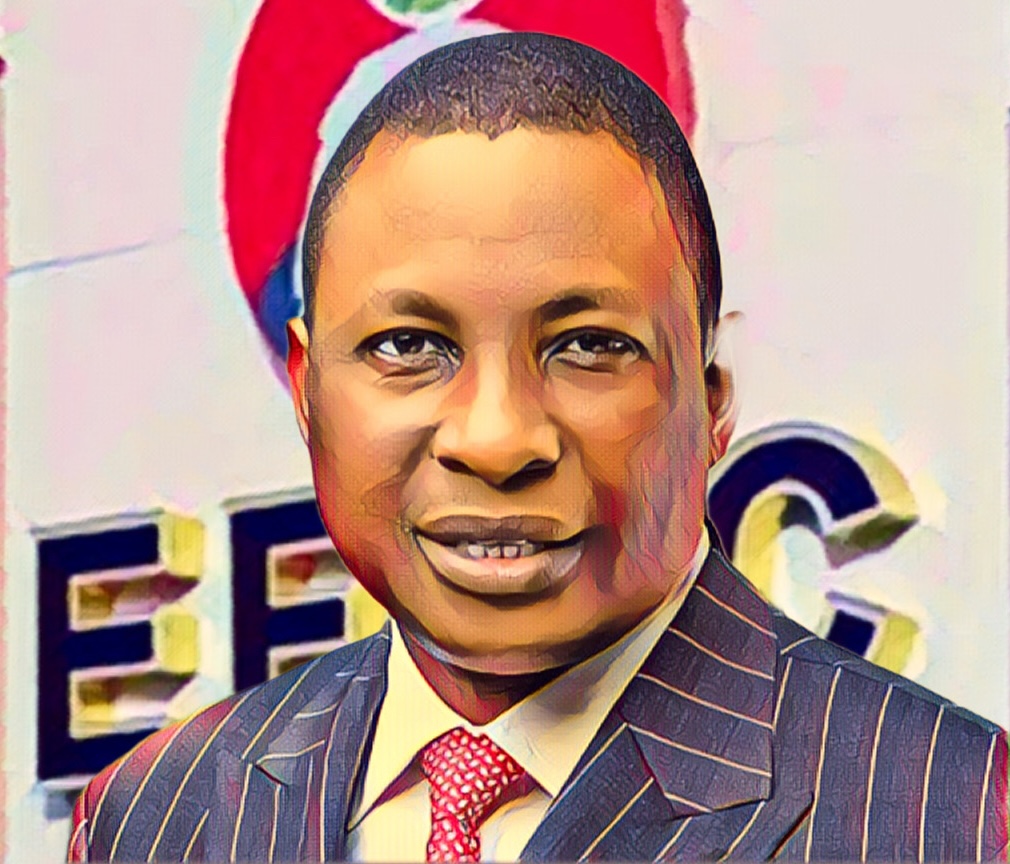
Key points
- Accord Party and NNPP demand Olukoyede’s resignation over the Osun account freeze
- Tinubu called the freeze embarrassing and ordered the EFCC to reverse it
- A Federal High Court order confirms the EFCC legally froze three Osun accounts on August 5
Pressure on Economic and Financial Crimes Commission Chairman Ola Olukoyede to resign or be removed grew sharply on Friday, after President Bola Tinubu ordered his agency to reverse the freezing of Osun State Government accounts just 10 days before the August 15 governorship election.
Opposition parties, civil society voices and thousands of Nigerians on social media described the account freeze as a politically motivated attack on the Accord Party-controlled state government.
Tinubu, who called the action embarrassing, directed the EFCC to return to court and have the restriction lifted. Presidency insiders, however, told Saturday Punch that Olukoyede still has his job.
Accord Party, NNPP and Nigerians online demand Olukoyede’s head
Accord Party National Chairman Maxwell Mgbudem held a press conference in Abuja on Friday, saying his party had completely lost confidence in the EFCC under Olukoyede’s watch. He called the freeze a demonstration of clear partisanship and demanded Olukoyede’s immediate resignation.
“If he fails to resign, President Tinubu should sack him immediately to restore the integrity of the anti-graft agency,” Mgbudem said.
New Nigeria People’s Party National Chairman Major Agbo backed the resignation call, though he raised a separate concern. He said Tinubu’s order to unfreeze the accounts actually damaged the EFCC’s image more than the freeze itself did, because it showed the agency could be directed by the presidency.
Obidient Movement Worldwide coordinator Yunusa Tanko advised Olukoyede to step down voluntarily to protect his reputation, while Labour Party spokesman Ken Asogwa said he would not go as far as calling for resignation but found it deeply worrying that the President could personally direct an independent anti-corruption body.
On X, the EFCC’s statement explaining the freeze drew more than 4,500 comments, most of them critical. Presidential aide Bayo Onanuga’s post announcing the reversal attracted over 1,600 replies, with many users criticizing both Tinubu and the commission.
Court order existed, but contradictions fuel political crisis
The controversy deepened when EFCC spokesman Wilson Uwujaren said on national television that the restriction had been imposed without a valid court order, only for Tinubu to later direct the agency to go to court to vacate an order.
The House of Representatives minority caucus seized on the conflicting statements, calling the episode proof of a government at war with itself.
However, a certified true copy of the court order seen by Saturday Punch showed that the EFCC did obtain approval from the Federal High Court in Abuja.
Justice M.G. Umar, in Suit No. FHC/ABJ/CS/1750/2026 on August 5, 2026, authorized the EFCC to freeze three Osun State accounts, citing an ongoing investigation into alleged diversion of public funds and money laundering.
The accounts include the Osun State Government Federal Allocation Account at First Bank and two Joint Allocation Accounts at Zenith Bank.
Human rights lawyer Femi Falana defended the EFCC’s action, saying the commission acted within its legal powers and that Tinubu had no authority to direct an independent anti-corruption agency.
The House minority caucus went further, alleging the freeze was part of a wider pattern of federal pressure on Osun, including the alleged withholding of local government statutory allocations, ahead of the election.
Presidency sources told Saturday Punch that Tinubu’s frustration was about the timing and public optics of the action, not Olukoyede’s overall performance, and that no dismissal was being considered.